Nylon Conveyor Belt: Reliable Strength and Efficiency for Modern Material Handling
2026-01-06


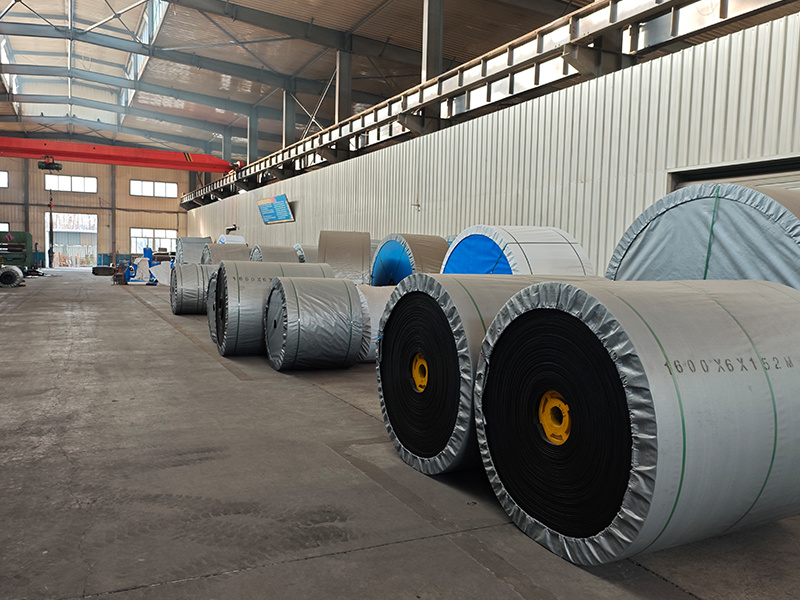
In today’s fast-paced industrial environment, efficient material transport is critical to operational success. The nylon conveyor belt has emerged as a preferred choice for industries that demand high strength, flexibility, and consistent performance under heavy loads and challenging conditions. Designed to handle bulk materials, powders, and packaged goods, nylon conveyor belts are widely used across mining, cement, logistics, agriculture, and manufacturing sectors. Their superior durability and long service life make them an essential component for businesses seeking reliable and cost-effective material handling solutions.
The core advantage of the nylon conveyor belt lies in its unique construction. The belt typically consists of multiple layers of woven nylon fabric, which provide excellent tensile strength, high flexibility, and low elongation under load. This ensures stable and smooth transport even over long distances or through complex conveyor systems. Additionally, the nylon fibers offer superior impact and abrasion resistance, reducing the risk of tearing or premature wear. With a smooth surface and excellent grip, the belt efficiently handles different materials while minimizing spillage and maintenance downtime.
From an operational standpoint, nylon conveyor belts improve productivity and system reliability. The belt’s low elongation properties help maintain proper tracking and alignment, reducing the need for frequent adjustments. Its high wear and heat resistance enable continuous operation in harsh environments, including mining tunnels, cement plants, and logistics hubs. Furthermore, nylon conveyor belts are compatible with a wide range of pulleys and conveyor designs, making them highly versatile for retrofitting or new installations.

In real-world applications, businesses have observed significant improvements in efficiency and cost savings after switching to nylon conveyor belts. For example, a cement manufacturing plant dealing with abrasive raw materials replaced older rubber belts with nylon conveyor belts. The result was reduced belt replacements, lower maintenance costs, and smoother material flow, leading to increased production uptime. Similarly, a logistics company handling heavy parcels over long conveyor lines reported fewer stoppages and more consistent delivery schedules after upgrading to nylon belts with reinforced layers and high tensile strength.
Beyond performance, nylon conveyor belts address key customer pain points. Many industries face challenges with belt stretching, material spillage, frequent breakdowns, and high replacement costs. The nylon conveyor belt minimizes these issues through its robust construction, reliable tracking, and resistance to wear and environmental stress. Its long service life reduces downtime and maintenance frequency, while its ability to handle heavy loads without sagging or stretching increases operational efficiency. For industries that require both durability and precision, the nylon conveyor belt delivers an optimal balance of performance, reliability, and cost-effectiveness.
In conclusion, the nylon conveyor belt represents a dependable solution for modern material handling challenges. By combining high tensile strength, abrasion resistance, low elongation, and flexibility, it ensures smooth and efficient transport of materials across various industrial applications. From mining to manufacturing, agriculture to logistics, nylon conveyor belts provide businesses with a long-lasting, reliable, and cost-efficient conveyor solution that reduces maintenance needs, enhances productivity, and supports continuous operations in demanding environments. Investing in high-quality nylon conveyor belts is not just a choice for today, but a strategic decision that ensures long-term operational reliability and industrial efficiency.
Latest News
Why do PVC conveyor belts need to be wrapped?