Understanding the Benefits of Rotary Valve Dischargers for Construction Machinery
2026-01-07


Understanding the Benefits of Rotary Valve Dischargers for Construction Machinery
Table of Contents
Introduction to Rotary Valve Dischargers
What is a Rotary Valve Discharger?
How Rotary Valve Dischargers Work
Benefits of Using Rotary Valve Dischargers
Applications of Rotary Valve Dischargers in Construction
Maintenance Tips for Rotary Valve Dischargers
Common Issues and Solutions f
Understanding the Benefits of Rotary Valve Dischargers for Construction Machinery
Table of Contents
- Introduction to Rotary Valve Dischargers
- What is a Rotary Valve Discharger?
- How Rotary Valve Dischargers Work
- Benefits of Using Rotary Valve Dischargers
- Applications of Rotary Valve Dischargers in Construction
- Maintenance Tips for Rotary Valve Dischargers
- Common Issues and Solutions for Rotary Valve Dischargers
- Conclusion
- FAQs about Rotary Valve Dischargers
Introduction to Rotary Valve Dischargers
In the ever-evolving landscape of construction machinery, efficiency and reliability are paramount. **Rotary valve dischargers** have emerged as a crucial component in enhancing the performance of various construction machinery. These devices play a significant role in material handling, ensuring that operations run smoothly while minimizing downtime. In this article, we will delve into the mechanics, benefits, and applications of rotary valve dischargers, providing a comprehensive understanding of why they are essential in modern construction projects.
What is a Rotary Valve Discharger?
A **rotary valve discharger** is a specialized device designed to control the flow of bulk materials from silos, hoppers, or other containers. It typically consists of a cylindrical housing with a rotating drum or paddle inside that regulates the discharge of materials. The design allows for consistent and precise control, making it an ideal choice for various applications in the construction industry.
The Anatomy of a Rotary Valve Discharger
Understanding the components of a rotary valve discharger is essential for appreciating its functionality. Key elements include:
- **Housing**: The outer shell that encases the internal components.
- **Rotor**: The rotating element that moves materials through the valve.
- **Seals**: These prevent leaks and maintain pressure within the system.
- **Drive Mechanism**: The motor or actuator that powers the rotation of the rotor.
How Rotary Valve Dischargers Work
The operation of a rotary valve discharger is relatively straightforward yet highly effective. When materials are fed into the housing, the rotor rotates, allowing a predetermined amount of material to exit through the discharge opening. This rotation creates a controlled flow, ensuring that materials are dispensed evenly and consistently.
Operational Efficiency
One of the primary advantages of rotary valve dischargers is their ability to maintain **operational efficiency**. By allowing precise control over material flow, they reduce waste and enhance the overall productivity of construction processes.
Benefits of Using Rotary Valve Dischargers
Rotary valve dischargers offer a multitude of benefits that make them a valuable asset in construction machinery:
1. Enhanced Material Flow Control
Rotary valve dischargers provide exceptional control over the flow of materials. This accuracy minimizes spillage and ensures that the right amount of material is dispensed.
2. Reduced Maintenance Costs
The robust design of rotary valve dischargers leads to fewer breakdowns and maintenance issues. This reliability translates to lower operational costs over time.
3. Versatility in Applications
Rotary valve dischargers can handle a wide range of materials, from granular substances to powders. This versatility makes them suitable for various construction applications.
4. Improved Safety
By controlling the flow of materials, rotary valve dischargers reduce the risk of accidents associated with material spills and overflows, contributing to a safer work environment.
5. Energy Efficiency
With their efficient design, rotary valve dischargers consume less energy compared to other material handling systems, offering a cost-effective solution for construction machinery.
Applications of Rotary Valve Dischargers in Construction
The use of rotary valve dischargers spans various sectors within the construction industry. Their adaptability allows them to be employed in several applications:
1. Cement and Concrete Production
Rotary valve dischargers are critical in the cement and concrete manufacturing process. They facilitate the controlled discharge of powdered materials, ensuring consistent mixing and quality.
2. Bulk Material Handling
In large construction sites, rotary valve dischargers efficiently manage the handling of bulk materials such as sand, gravel, and aggregates, streamlining operations.
3. Waste Management Systems
These devices are also utilized in waste management systems, where they help in the controlled discharge of waste materials, enhancing recycling processes and reducing environmental impact.
4. Storage and Transport of Fine Powders
For industries dealing with fine powders, rotary valve dischargers provide a reliable solution for transporting materials without causing dust emissions or spillage.
5. Asphalt Production
In the asphalt production process, rotary valve dischargers effectively manage the flow of aggregate materials, contributing to efficient production cycles.
Maintenance Tips for Rotary Valve Dischargers
To ensure the longevity and efficiency of rotary valve dischargers, regular maintenance is essential. Here are some key maintenance tips:
1. Regular Inspection
Conduct routine inspections of the rotary valve discharger to identify wear and tear. Check for signs of damage, particularly on the rotor and seals.
2. Lubrication
Proper lubrication of moving parts is vital to prevent friction and wear. Follow the manufacturer's guidelines for lubrication frequency and type.
3. Cleanliness
Keep the discharge area clean to prevent material buildup that can hinder performance. Regular cleaning reduces the risk of jams and blockages.
4. Monitoring Performance
Monitor the performance of the rotary valve discharger regularly. Pay attention to any changes in flow rates, which could indicate maintenance needs.
5. Timely Repairs
Address any maintenance issues promptly to prevent minor problems from escalating into major repairs. Timely interventions can save costs and enhance reliability.
Common Issues and Solutions for Rotary Valve Dischargers
While rotary valve dischargers are designed for durability, issues may arise. Here are some common problems and their solutions:
1. Inconsistent Material Flow
**Issue**: Uneven material flow can occur due to rotor wear or blockages.
**Solution**: Inspect and clean the rotor and housing to remove any obstructions. Replace worn parts as needed.
2. Leakage
**Issue**: Leakage around seals can lead to material loss and contamination.
**Solution**: Check seals for damage and replace them if necessary. Regular maintenance helps prevent leaks.
3. Excessive Wear
**Issue**: Over time, excessive wear can compromise the efficiency of the discharger.
**Solution**: Implement a scheduled maintenance program to replace worn components before they affect performance.
4. Motor Failure
**Issue**: Motor failures can halt operations and cause downtime.
**Solution**: Regularly inspect the motor for signs of wear. Have a qualified technician perform necessary repairs.
5. Material Jamming
**Issue**: Material can become jammed in the valve, disrupting flow.
**Solution**: Regular cleaning and inspection can prevent jamming. Ensure materials are compatible with the valve design.
Conclusion
In conclusion, **rotary valve dischargers** are indispensable components of construction machinery that enhance efficiency, safety, and operational effectiveness. Their ability to control material flow, coupled with their versatility in various applications, makes them a favored choice in the industry. By implementing regular maintenance and addressing common issues proactively, businesses can maximize the benefits of these devices, ensuring smooth operations on construction sites. Investing in rotary valve dischargers not only improves productivity but also contributes to a safer and more reliable working environment.
FAQs about Rotary Valve Dischargers
1. What materials can rotary valve dischargers handle?
Rotary valve dischargers can handle a variety of materials, including powders, granules, and bulk solids, making them versatile for many applications.
2. How often should rotary valve dischargers be maintained?
Regular maintenance should be conducted at least once a month, with more frequent checks during heavy use or in critical applications.
3. Can rotary valve dischargers be used for high-temperature materials?
Yes, certain rotary valve dischargers are designed to handle high-temperature materials. Consult the manufacturer for specifications regarding temperature limits.
4. What are the most common issues with rotary valve dischargers?
Common issues include inconsistent material flow, leakage, excessive wear, motor failure, and material jamming.
5. How do rotary valve dischargers improve safety on construction sites?
By controlling material flow, rotary valve dischargers minimize the risk of spills and overflows, contributing to safer working conditions.
Keywords:
Latest News
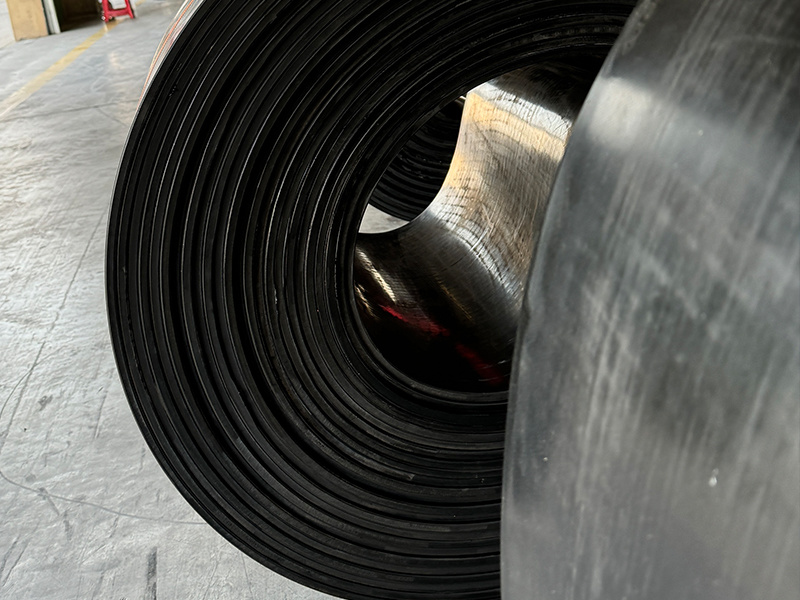
Why do PVC conveyor belts need to be wrapped?
If PVC conveyor belt is to be hemmed, it usually needs 2 cloth and 2 glue or more to be suitable for hemming. First, separate the cloth surface from the glue surface, and then wrap the edge with the glue surface on the surface, so that the hemming is completed. And the use of hot melt process, the edge of the bag and the conveyor belt as a whole.