Understanding the Functionality and Benefits of Combination Electronic Belt Scales
2026-01-10


Combination electronic belt scales are crucial tools in various industries, especially in manufacturing and construction machinery sectors like earthmoving and transportation. These advanced weighing devices are designed to provide accurate and continuous weight measurements of materials being transported on conveyor belts. By integrating electronic technologies with traditional belt scales, they
Combination electronic belt scales are crucial tools in various industries, especially in manufacturing and construction machinery sectors like earthmoving and transportation. These advanced weighing devices are designed to provide accurate and continuous weight measurements of materials being transported on conveyor belts. By integrating electronic technologies with traditional belt scales, they offer enhanced precision, reliability, and efficiency.
One primary advantage of combination electronic belt scales is their ability to provide real-time data. This feature is particularly beneficial in industries where monitoring material weight is essential for managing operations. For instance, manufacturers can track the amount of raw material being processed, ensuring that they maintain optimal inventory levels and avoid excess waste. In construction, accurate weight readings are vital for compliance with transportation regulations, helping to prevent fines and delays.
The construction and earthmoving sectors often rely on the transportation of large volumes of materials, such as soil, gravel, and aggregates. Combination electronic belt scales facilitate this process by providing seamless integration into existing conveyor systems. This integration allows for continuous monitoring without disrupting the workflow, which is important for maintaining productivity on job sites.
Moreover, combination electronic belt scales are equipped with advanced features such as digital displays, remote monitoring capabilities, and data logging functions. These features not only improve user experience but also allow for better decision-making. Operators can analyze historical data to identify trends, optimize load management, and make informed adjustments to enhance operational efficiency.
Additionally, the use of combination electronic belt scales contributes to maintaining safety standards in the workplace. By ensuring accurate weight measurements, operators can prevent overloading vehicles, which can lead to accidents and equipment damage. Implementing these scales can ultimately lead to a safer working environment, reducing the likelihood of injuries and enhancing overall operational safety.
Furthermore, the maintenance of combination electronic belt scales is relatively straightforward. Regular calibration and basic troubleshooting can help ensure longevity and consistent performance. This ease of maintenance makes them an attractive option for businesses aiming to minimize downtime and sustain productivity.
In summary, combination electronic belt scales serve as indispensable tools in the manufacturing and construction machinery sectors, particularly for earthmoving and transportation applications. Their ability to provide accurate, real-time weight measurements enhances operational efficiency, improves safety, and supports informed decision-making. By investing in these advanced weighing solutions, businesses can streamline processes and achieve better results in their operations.
Keywords:
Latest News
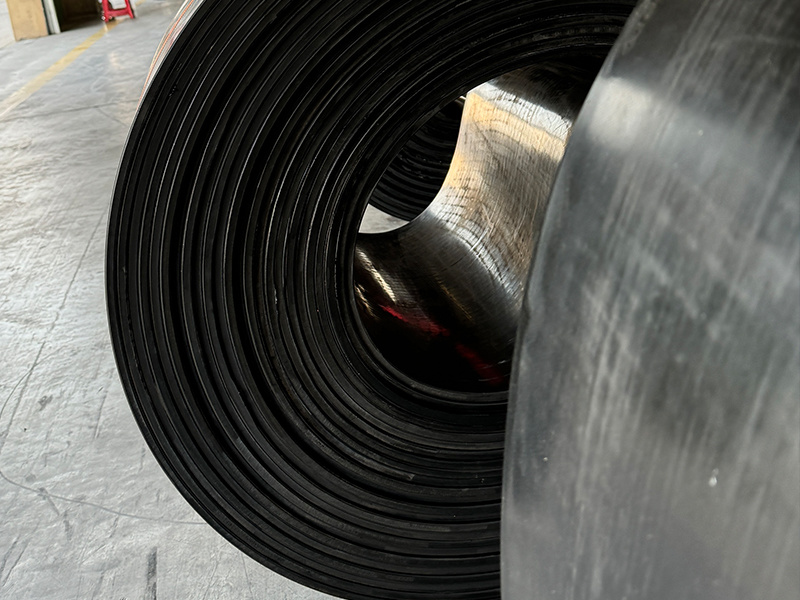
Why do PVC conveyor belts need to be wrapped?
If PVC conveyor belt is to be hemmed, it usually needs 2 cloth and 2 glue or more to be suitable for hemming. First, separate the cloth surface from the glue surface, and then wrap the edge with the glue surface on the surface, so that the hemming is completed. And the use of hot melt process, the edge of the bag and the conveyor belt as a whole.