Electronic Belt Scales vs. Traditional Weighing Methods: A Comprehensive Comparison for the Manufacturing Sector
2026-01-25


Electronic Belt Scales vs. Traditional Weighing Methods: A Comprehensive Comparison
Table of Contents
1. Introduction to Weighing Methods in Manufacturing
2. Understanding Electronic Belt Scales
3. Exploring Traditional Weighing Methods
4. Key Differences Between Electronic Belt Scales and Traditional Weighing
4.1 Accuracy and Precision
4.2 Efficiency and Speed
4.3 Cost Considerations
4.4 Maintena
Electronic Belt Scales vs. Traditional Weighing Methods: A Comprehensive Comparison
Table of Contents
1. Introduction to Weighing Methods in Manufacturing
2. Understanding Electronic Belt Scales
3. Exploring Traditional Weighing Methods
4. Key Differences Between Electronic Belt Scales and Traditional Weighing
4.1 Accuracy and Precision
4.2 Efficiency and Speed
4.3 Cost Considerations
4.4 Maintenance and Durability
4.5 Integration with Technology
5. Applications in the Manufacturing and Construction Industries
6. Pros and Cons of Electronic Belt Scales
7. Pros and Cons of Traditional Weighing Methods
8. FAQs on Weighing Methods
9. Conclusion
1. Introduction to Weighing Methods in Manufacturing
In the manufacturing and construction sectors, accurate measurement of materials is crucial for operational efficiency and cost management. Weighing methods have evolved significantly over the years, leading to the adoption of advanced technologies that promise enhanced accuracy and productivity. This article delves into the comparison between **electronic belt scales** and **traditional weighing methods**, highlighting their benefits, limitations, and applications within the industry.
2. Understanding Electronic Belt Scales
**Electronic belt scales** are advanced weighing systems that measure the weight of materials as they pass over a conveyor belt. These scales utilize electronic sensors and digital displays, allowing for real-time monitoring and data collection. Typically employed in bulk material handling, they are particularly beneficial for industries engaged in mining, agriculture, and manufacturing.
The primary components of an electronic belt scale include:
- **Belt Conveyor**: The mechanism that transports materials.
- **Load Cells**: Devices that convert the weight of the material into an electrical signal.
- **Control Electronics**: These interpret the signals from the load cells and provide real-time weight measurements.
- **Display Unit**: A digital interface that shows the weight data for easy viewing.
The integration of electronic systems in weighing not only enhances accuracy but also improves operational efficiency by reducing manual interventions.
3. Exploring Traditional Weighing Methods
**Traditional weighing methods** encompass various techniques that have been used historically, such as mechanical scales, balance scales, and platform scales. These methods often rely on gravity and physical weight measurement to determine the weight of an object. While they have served industries for decades, they come with inherent limitations.
Key characteristics of traditional weighing methods include:
- **Mechanical Components**: These scales rely on springs or levers that can wear out over time.
- **Manual Calibration**: Regular adjustments are often necessary to maintain accuracy.
- **Labor-Intensive Processes**: Weighing can be a slower process due to manual operation and the need for additional labor.
While traditional methods are still prevalent in some scenarios, they face significant competition from electronic advancements.
4. Key Differences Between Electronic Belt Scales and Traditional Weighing
4.1 Accuracy and Precision
When it comes to weighing materials, accuracy and precision are paramount. **Electronic belt scales** provide higher precision due to their advanced sensors, which can detect minute weight changes as materials flow across the conveyor. Traditional scales, however, often struggle with precision, especially when dealing with large volumes or irregularly shaped materials.
4.2 Efficiency and Speed
The speed at which materials can be weighed impacts overall productivity. Electronic belt scales can continuously measure materials as they are transported, allowing for a seamless flow of operations. In contrast, traditional weighing methods often require stopping the flow of materials for accurate weight measurement, leading to potential delays.
4.3 Cost Considerations
Initial investment costs for electronic belt scales can be higher than traditional methods due to the technology involved. However, the long-term cost savings from enhanced efficiency, reduced labor costs, and minimized material wastage can outweigh these initial expenses. Traditional methods, while cheaper upfront, may incur higher operational costs over time due to inefficiencies.
4.4 Maintenance and Durability
Maintenance is a crucial factor in the longevity and reliability of weighing systems. Electronic belt scales, while sophisticated, require regular calibration and maintenance to ensure optimal performance. On the other hand, traditional scales may need more frequent repairs due to mechanical wear and tear, making them less reliable in the long run.
4.5 Integration with Technology
In today's digital age, integration with other systems is vital for operational efficiency. Electronic belt scales can easily connect with inventory management systems and software for real-time data analytics. Traditional methods lack this capability, often requiring manual data entry and resulting in delays and potential errors.
5. Applications in the Manufacturing and Construction Industries
Both electronic belt scales and traditional weighing methods find applications in various settings within the manufacturing and construction industries. Electronic belt scales are preferred for bulk material handling, such as in:
- **Mining Operations**: Measuring ore and aggregate quantities on conveyor belts.
- **Food Processing**: Weighing ingredients during production processes.
- **Construction Material Handling**: Accurately measuring materials like sand, gravel, or concrete.
In contrast, traditional weighing methods are often used in:
- **Small Scale Weighing**: Retail environments or small workshops where precise measurements of individual items are required.
- **Laboratory Settings**: Where chemical components need to be weighed manually, often with high precision.
6. Pros and Cons of Electronic Belt Scales
**Pros**:
- Enhanced accuracy and precision.
- Continuous measurement for increased efficiency.
- Integration with digital systems for real-time data.
- Reduced labor costs due to automation.
**Cons**:
- Higher initial investment costs.
- Requires regular calibration and maintenance.
7. Pros and Cons of Traditional Weighing Methods
**Pros**:
- Lower upfront costs.
- Simplicity of design and operation.
**Cons**:
- Slower weighing process, leading to inefficiencies.
- Prone to mechanical wear, resulting in decreased accuracy over time.
- Limited data integration capabilities.
8. FAQs on Weighing Methods
**Q1: What are electronic belt scales primarily used for?**
A1: Electronic belt scales are primarily used for continuous measurement of bulk materials moving on conveyor belts in industries such as mining and agriculture.
**Q2: How do traditional weighing methods affect operational efficiency?**
A2: Traditional weighing methods can slow down operations as they often require stopping the material flow to obtain accurate weight measurements.
**Q3: Are electronic belt scales more accurate than traditional scales?**
A3: Yes, electronic belt scales typically provide higher accuracy due to advanced sensors and real-time measurement capabilities.
**Q4: What maintenance is required for electronic belt scales?**
A4: Electronic belt scales require regular calibration and inspection of electronic components to ensure optimal performance.
**Q5: Can traditional weighing methods be automated?**
A5: While some traditional methods can be automated, they generally lack the advanced technology and integration capabilities of electronic belt scales.
9. Conclusion
In conclusion, the choice between **electronic belt scales** and **traditional weighing methods** is critical for operational efficiency in the manufacturing and construction industries. While electronic belt scales offer significant advantages in terms of accuracy, efficiency, and integration with technology, traditional methods may still hold value in specific contexts due to their lower initial costs and simplicity. Companies must assess their unique needs and operational dynamics when deciding which weighing method best suits their requirements. By understanding the nuances of each system, businesses can enhance their productivity, reduce costs, and improve overall operational effectiveness.
Keywords:
Latest News
Why do PVC conveyor belts need to be wrapped?
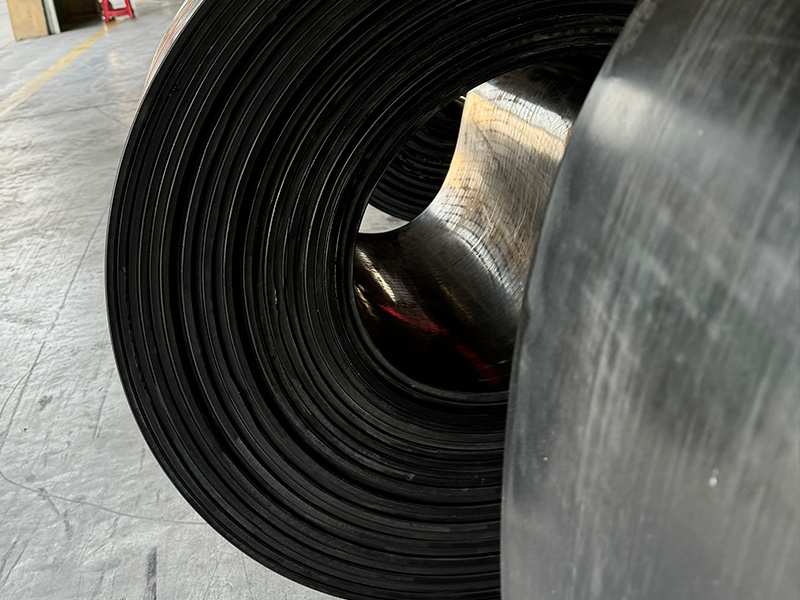
If PVC conveyor belt is to be hemmed, it usually needs 2 cloth and 2 glue or more to be suitable for hemming. First, separate the cloth surface from the glue surface, and then wrap the edge with the glue surface on the surface, so that the hemming is completed. And the use of hot melt process, the edge of the bag and the conveyor belt as a whole.