Understanding Electronic Belt Scales: A Key Component in Construction and Earthmoving Machinery
2026-01-29


In the realm of manufacturing and construction, precision and efficiency are paramount. One essential tool that contributes significantly to these factors is the electronic belt scale. This device is designed for the accurate measurement of bulk materials as they are transported on conveyor belts, making it indispensable for industries that handle various types of aggregates, minerals, and other m
In the realm of manufacturing and construction, precision and efficiency are paramount. One essential tool that contributes significantly to these factors is the electronic belt scale. This device is designed for the accurate measurement of bulk materials as they are transported on conveyor belts, making it indispensable for industries that handle various types of aggregates, minerals, and other materials.
Electronic belt scales work by using a combination of load cells, belt speed sensors, and advanced digital technology to measure the weight of the material on the conveyor belt. As the material moves along the belt, the load cells detect the weight and the speed sensor calculates how fast the material is traveling. The electronic system then integrates these two data points to provide real-time weight measurements. This accuracy is crucial for various applications in manufacturing and construction, where even slight errors in weight can lead to significant operational inefficiencies and increased costs.
One of the primary advantages of using electronic belt scales is their ability to provide continuous and dynamic measurements. Unlike traditional scales that require a material to be halted for weighing, electronic belt scales allow for a seamless flow of operations. This continuous measurement capability not only saves time but also enhances productivity, as machinery can operate with minimal interruptions.
Moreover, electronic belt scales contribute to improved inventory management and cost control. By having precise weight measurements, companies can better manage their raw materials, optimize their supply chains, and reduce waste. This level of control is particularly beneficial in the construction sector, where accurate estimates of material quantities are essential for project planning and budgeting.
The application of electronic belt scales extends beyond just measuring materials. They can be integrated into automated systems that monitor production rates, track material usage, and even contribute to data analytics for performance optimization. In an industry where data-driven decisions are becoming increasingly important, this capability provides a competitive edge.
Compliance with industry standards is another critical aspect of electronic belt scales. Many scales are designed to meet specific regulations and guidelines, ensuring that businesses operate within legal requirements. This compliance helps maintain the integrity of operations and builds trust with clients and stakeholders.
In conclusion, electronic belt scales are a foundational element in the manufacturing and processing of construction and earthmoving machinery. Their ability to provide accurate, real-time measurements not only enhances operational efficiency but also supports better decision-making in inventory management and compliance. As the industry continues to evolve, the importance of integrating such advanced technology will only grow, making electronic belt scales essential for companies aiming to thrive in a competitive market.
Keywords:
Latest News
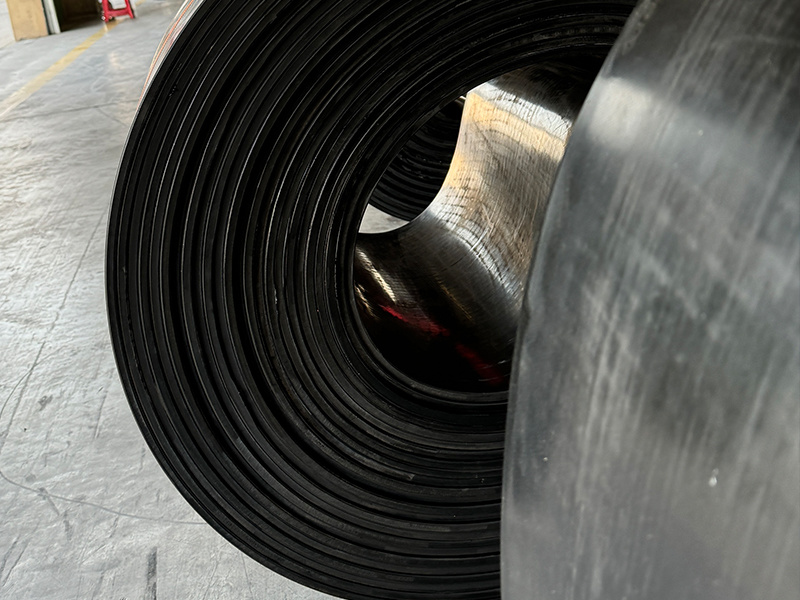
Why do PVC conveyor belts need to be wrapped?
If PVC conveyor belt is to be hemmed, it usually needs 2 cloth and 2 glue or more to be suitable for hemming. First, separate the cloth surface from the glue surface, and then wrap the edge with the glue surface on the surface, so that the hemming is completed. And the use of hot melt process, the edge of the bag and the conveyor belt as a whole.