10 Compelling Reasons to Upgrade to an Electronic Belt Scale Today for Enhanced Efficiency
2026-02-01


10 Compelling Reasons to Upgrade to an Electronic Belt Scale Today for Enhanced Efficiency
Table of Contents
1. Introduction to Electronic Belt Scales
2. Enhanced Accuracy in Weight Measurement
3. Increased Efficiency and Productivity
4. Real-Time Data Monitoring and Reporting
5. Improved Durability and Reliability
6. Seamless Integration with Existing Systems
7. Cost Savings Over Ti
10 Compelling Reasons to Upgrade to an Electronic Belt Scale Today for Enhanced Efficiency
Table of Contents
1. Introduction to Electronic Belt Scales
2. Enhanced Accuracy in Weight Measurement
3. Increased Efficiency and Productivity
4. Real-Time Data Monitoring and Reporting
5. Improved Durability and Reliability
6. Seamless Integration with Existing Systems
7. Cost Savings Over Time
8. User-Friendly Interface and Operation
9. Compliance with Industry Standards
10. Conclusion
11. Frequently Asked Questions (FAQs)
1. Introduction to Electronic Belt Scales
In the evolving landscape of manufacturing and construction, precision in measurement is critical to operational success. The electronic belt scale emerges as a revolutionary tool designed to enhance material handling processes. In this article, we explore **ten compelling reasons** to upgrade to an electronic belt scale, ensuring your operations are efficient, accurate, and compliant with industry standards.
2. Enhanced Accuracy in Weight Measurement
One of the foremost advantages of electronic belt scales is their **superior accuracy** compared to traditional mechanical systems. Electronic scales utilize advanced sensors and technology that minimize errors during weight measurement. This heightened accuracy is crucial for industries where even minor deviations can lead to significant financial losses. By adopting an electronic system, you can ensure precise weight readings, which contribute to better inventory management and resource allocation.
3. Increased Efficiency and Productivity
Time is money in the manufacturing world. Electronic belt scales can significantly **boost efficiency** by providing instantaneous weight readings. Traditional scales often require manual intervention, which can slow down operations. With electronic scales, data is automatically captured, allowing for quicker decision-making and enhanced workflow. The result? An increase in overall productivity, enabling teams to focus on core tasks rather than getting bogged down by manual measurements.
4. Real-Time Data Monitoring and Reporting
In today's fast-paced business environment, the ability to monitor operations in **real-time** is invaluable. Electronic belt scales offer seamless integration with software systems that allow operators to visualize data instantly. This feature enables timely adjustments to processes, ensuring that materials are handled efficiently. Furthermore, comprehensive reporting tools provide insights into weight trends and operational efficiencies, empowering managers to make informed decisions based on accurate data.
5. Improved Durability and Reliability
Investing in an electronic belt scale means **investing in durability**. These scales are designed to withstand harsh industrial environments, including exposure to dust, moisture, and extreme temperatures. Unlike mechanical scales that are susceptible to wear and tear, electronic scales boast robust construction and materials that enhance their reliability. This durability translates to less downtime and maintenance, ultimately leading to increased operational efficiency.
6. Seamless Integration with Existing Systems
One of the common concerns when upgrading equipment is compatibility with existing systems. Fortunately, electronic belt scales are built with **integration in mind**. Whether your operations rely on specific software for inventory management or data analysis, electronic scales can be interfaced smoothly with these systems. This capability ensures that your transition to advanced technology is not only straightforward but also enhances the overall functionality of your operations.
7. Cost Savings Over Time
While the initial investment in an electronic belt scale may seem significant, the **long-term cost savings** are undeniable. By reducing inaccuracies, improving efficiency, and decreasing maintenance costs, organizations can see substantial financial benefits. Additionally, these scales can help in optimizing material usage, leading to decreased waste and more sustainable operations. Over time, the return on investment (ROI) becomes remarkably favorable.
8. User-Friendly Interface and Operation
Modern electronic belt scales are designed with the **user experience** in mind. Featuring intuitive interfaces, operators can quickly learn how to use these systems without extensive training. This ease of use minimizes the learning curve, allowing teams to adapt to new technologies more seamlessly. The user-friendly nature of these scales contributes to a smoother transition and encourages widespread adoption within your organization.
9. Compliance with Industry Standards
In an era where regulatory compliance is paramount, electronic belt scales ensure adherence to **industry standards**. These scales often come certified with the necessary approvals, ensuring that your operations meet the required legal and quality benchmarks. By choosing an electronic system, you can have peace of mind knowing that your measurements are compliant, potentially avoiding costly fines and legal issues.
10. Conclusion
Upgrading to an electronic belt scale is not just about improving measurement accuracy; it's about transforming your entire operational approach. From increased efficiency and productivity to enhanced durability and compliance, these systems offer a myriad of benefits that can significantly impact your bottom line. As industries continue to evolve, embracing technology like electronic belt scales is essential for staying competitive in the market.
11. Frequently Asked Questions (FAQs)
What is an electronic belt scale?
An electronic belt scale is a device used to measure the weight of materials transported on a conveyor belt in real-time, utilizing electronic sensors for enhanced accuracy.
How does an electronic belt scale improve accuracy compared to mechanical scales?
Electronic belt scales use advanced sensors that minimize errors and provide immediate weight readings, leading to greater precision than traditional mechanical scales, which can be susceptible to wear and inaccuracies.
Can electronic belt scales integrate with existing software systems?
Yes, electronic belt scales are designed for seamless integration with various software systems, allowing for real-time data monitoring and reporting.
Are electronic belt scales durable enough for harsh industrial environments?
Absolutely. Electronic belt scales are constructed with robust materials that can withstand challenging conditions such as dust, moisture, and extreme temperatures.
What are the long-term cost savings associated with upgrading to an electronic belt scale?
While the initial investment may be higher, electronic belt scales reduce inaccuracies, improve efficiency, and lower maintenance costs, leading to significant financial benefits over time.
By choosing to upgrade to an electronic belt scale today, you're investing in the future of your operations—ensuring you stay ahead in a competitive landscape.
Keywords:
Latest News
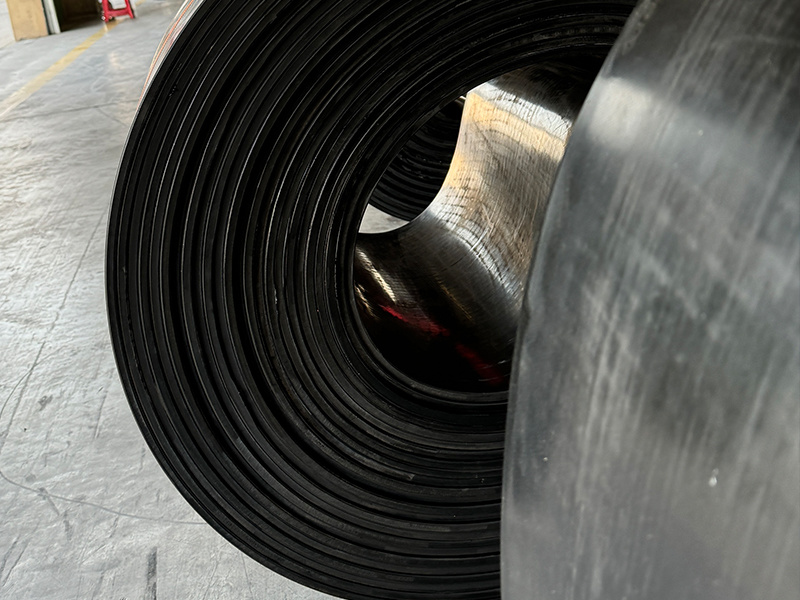
Why do PVC conveyor belts need to be wrapped?
If PVC conveyor belt is to be hemmed, it usually needs 2 cloth and 2 glue or more to be suitable for hemming. First, separate the cloth surface from the glue surface, and then wrap the edge with the glue surface on the surface, so that the hemming is completed. And the use of hot melt process, the edge of the bag and the conveyor belt as a whole.