Maximizing Efficiency with Steeply Inclined Conveyor Belts in Material Handling
2026-02-04


Steeply inclined conveyor belts are specialized material handling systems designed to transport bulk materials efficiently across steep gradients. These conveyor systems are crucial in various applications, particularly in the manufacturing and construction machinery sectors, where the movement of materials like soil, gravel, or aggregate is common. Understanding the mechanics and advantages of st
Steeply inclined conveyor belts are specialized material handling systems designed to transport bulk materials efficiently across steep gradients. These conveyor systems are crucial in various applications, particularly in the manufacturing and construction machinery sectors, where the movement of materials like soil, gravel, or aggregate is common. Understanding the mechanics and advantages of steeply inclined conveyor belts can significantly enhance operational efficiency and productivity.
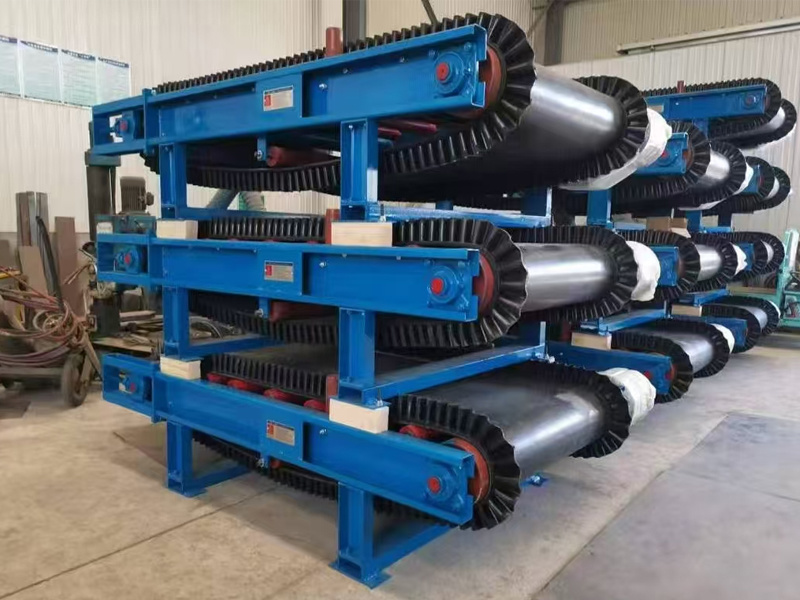
One of the primary features of steeply inclined conveyor belts is their ability to maintain a consistent material flow even at high angles. Unlike traditional conveyors, which may struggle with material slippage or backflow when inclined, these systems often incorporate design elements like cleated surfaces or sidewalls to secure the material as it moves along the belt. This design innovation reduces the risk of spillage and ensures that materials reach their destination efficiently.
The benefits of using steeply inclined conveyor belts extend beyond just material transport. They can significantly save space in industrial layouts. By allowing for vertical transport, businesses can optimize their floor area and allocate it to other essential processes. Additionally, these belts can minimize the need for additional handling equipment, which can lead to cost savings and reduced operational complexity.
In terms of application, steeply inclined conveyor belts are commonly used in various settings. For example, in construction sites, they are employed to transport soil and debris from excavation areas to dumping sites. In manufacturing facilities, these belts can move materials between different processing stations, ensuring a continuous workflow. Moreover, industries that deal with bulk materials, such as agriculture and mining, also benefit from the efficiency of these systems.
Choosing the right steeply inclined conveyor belt involves considering several factors. These include the type of material to be transported, the required capacity, and the angle of incline. Additionally, it's essential to ensure that the belt is made from durable materials to withstand the rigors of heavy-duty use while providing reliable service over time.
Finally, maintenance plays a critical role in the operational life of steeply inclined conveyor belts. Regular inspections and timely repairs can prevent unexpected downtime and ensure that the conveyor continues to operate at peak efficiency. Operators should be trained to recognize signs of wear and tear, such as belt misalignment or unusual noises, to address issues before they lead to significant problems.
In conclusion, steeply inclined conveyor belts are an invaluable asset in the manufacturing and construction machinery landscape. Their unique design and operational advantages offer businesses a reliable solution for transporting materials efficiently, helping them achieve their production goals while optimizing space and reducing costs. Understanding and implementing these systems can lead to considerable improvements in workflow and operational success.
One of the primary features of steeply inclined conveyor belts is their ability to maintain a consistent material flow even at high angles. Unlike traditional conveyors, which may struggle with material slippage or backflow when inclined, these systems often incorporate design elements like cleated surfaces or sidewalls to secure the material as it moves along the belt. This design innovation reduces the risk of spillage and ensures that materials reach their destination efficiently.
The benefits of using steeply inclined conveyor belts extend beyond just material transport. They can significantly save space in industrial layouts. By allowing for vertical transport, businesses can optimize their floor area and allocate it to other essential processes. Additionally, these belts can minimize the need for additional handling equipment, which can lead to cost savings and reduced operational complexity.
In terms of application, steeply inclined conveyor belts are commonly used in various settings. For example, in construction sites, they are employed to transport soil and debris from excavation areas to dumping sites. In manufacturing facilities, these belts can move materials between different processing stations, ensuring a continuous workflow. Moreover, industries that deal with bulk materials, such as agriculture and mining, also benefit from the efficiency of these systems.
Choosing the right steeply inclined conveyor belt involves considering several factors. These include the type of material to be transported, the required capacity, and the angle of incline. Additionally, it's essential to ensure that the belt is made from durable materials to withstand the rigors of heavy-duty use while providing reliable service over time.
Finally, maintenance plays a critical role in the operational life of steeply inclined conveyor belts. Regular inspections and timely repairs can prevent unexpected downtime and ensure that the conveyor continues to operate at peak efficiency. Operators should be trained to recognize signs of wear and tear, such as belt misalignment or unusual noises, to address issues before they lead to significant problems.
In conclusion, steeply inclined conveyor belts are an invaluable asset in the manufacturing and construction machinery landscape. Their unique design and operational advantages offer businesses a reliable solution for transporting materials efficiently, helping them achieve their production goals while optimizing space and reducing costs. Understanding and implementing these systems can lead to considerable improvements in workflow and operational success.
Keywords:
Latest News
Why do PVC conveyor belts need to be wrapped?
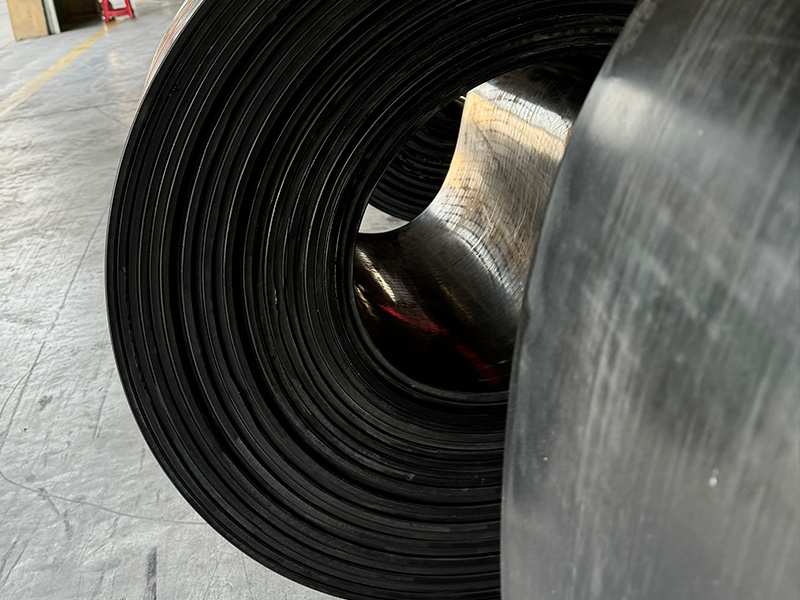
If PVC conveyor belt is to be hemmed, it usually needs 2 cloth and 2 glue or more to be suitable for hemming. First, separate the cloth surface from the glue surface, and then wrap the edge with the glue surface on the surface, so that the hemming is completed. And the use of hot melt process, the edge of the bag and the conveyor belt as a whole.