Optimize Material Handling with Nylon Conveyor Belt
2026-02-04


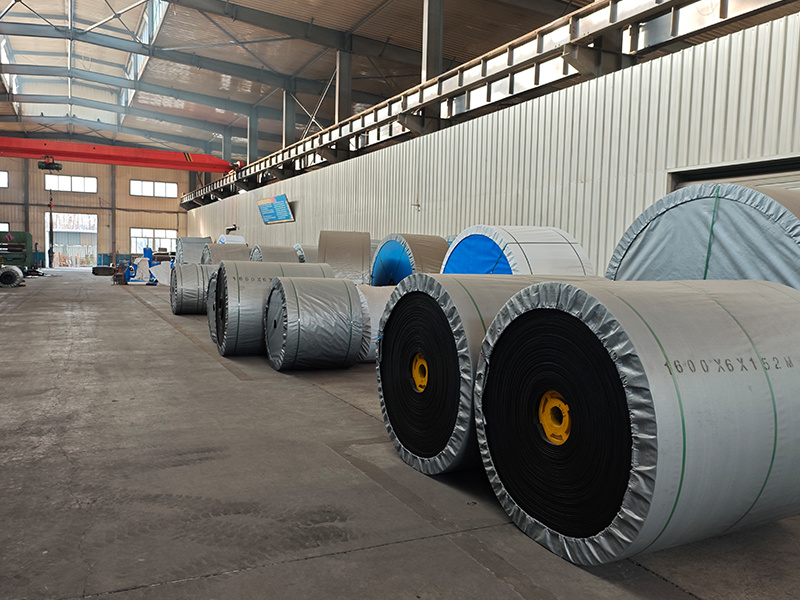
Nylon conveyor belt is a vital component in modern industrial and logistics operations, designed to transport materials efficiently, reliably, and safely. In manufacturing plants, warehouses, and distribution centers, the need for a durable and high-performance conveyor system is critical. Traditional belts often suffer from wear, tearing, or inefficient performance, leading to production delays and increased maintenance costs. Nylon conveyor belts offer a comprehensive solution to these challenges, providing a reliable, strong, and long-lasting system for material handling.
One of the most significant advantages of a nylon conveyor belt is its high strength and durability. Constructed from reinforced nylon fibers, these belts can withstand heavy loads, tension, and frequent use without losing performance. They are resistant to stretching, abrasions, and tearing, making them ideal for continuous operation in demanding industrial environments. Their robust construction ensures a long service life, reducing downtime and maintenance costs for operators.
Nylon conveyor belts also excel in smooth and efficient operation. The low-friction surface minimizes energy consumption and wear on both the belt and the machinery, ensuring that materials move consistently and safely from one point to another. This efficiency is critical in assembly lines, packaging operations, and logistics centers where timely transport of goods directly affects productivity and profitability.

Customization and versatility are additional benefits of nylon conveyor belts. They can be tailored to fit various widths, lengths, and load capacities, accommodating different types of materials such as food products, electronics, textiles, and heavy industrial items. The belts can also be designed with special coatings or heat-resistant layers to meet specific operational requirements, ensuring seamless integration into existing conveyor systems.
In terms of applications and problem-solving, nylon conveyor belts address common pain points in material handling. They prevent product damage due to excessive friction, stretching, or tearing, protecting both the goods and machinery. The durability and strength of the belt reduce the frequency of replacements, minimizing production interruptions and lowering overall operational costs. Additionally, nylon belts can operate in a variety of environmental conditions, including exposure to moisture, chemicals, and extreme temperatures, making them suitable for a wide range of industries.
Real-world case studies demonstrate the effectiveness of nylon conveyor belts. In a food processing facility, the installation of nylon belts improved throughput and reduced product damage compared to traditional PVC belts. In a logistics warehouse, the use of reinforced nylon belts enabled the transport of heavy parcels without risk of belt failure, ensuring timely deliveries. Manufacturing plants using nylon belts reported fewer maintenance interventions, smoother production flow, and higher overall operational efficiency.
Beyond operational efficiency, nylon conveyor belts also contribute to safety and sustainability. Their consistent and reliable performance reduces the risk of workplace accidents caused by belt failure or material spillage. Furthermore, their long lifespan and low maintenance requirements make them an eco-friendly option, reducing waste and the need for frequent replacements.
In conclusion, nylon conveyor belts provide a comprehensive, reliable, and efficient solution for material handling across multiple industries. Combining high strength, durability, smooth operation, and customization, they address key challenges in logistics, manufacturing, and production environments. By choosing a nylon conveyor belt, businesses can ensure uninterrupted workflows, protect goods and machinery, improve productivity, and reduce maintenance costs. With proven effectiveness and versatility, nylon conveyor belts are an essential investment for any facility seeking efficient and long-lasting material transport solutions.
Keywords:
Latest News
Why do PVC conveyor belts need to be wrapped?