Innovative Uses of Permanent Magnetic Separators in Construction Machinery
2026-02-07


Innovative Uses of Permanent Magnetic Separators in Construction Machinery
Table of Contents
1. Introduction to Permanent Magnetic Separators
2. How Permanent Magnetic Separators Work
3. Key Benefits of Using Permanent Magnetic Separators in Construction Machinery
3.1 Enhanced Material Recovery
3.2 Improved Equipment Longevity
3.3 Increased Operational Safety
4. Applications in Var
Innovative Uses of Permanent Magnetic Separators in Construction Machinery
Table of Contents
1. Introduction to Permanent Magnetic Separators
2. How Permanent Magnetic Separators Work
3. Key Benefits of Using Permanent Magnetic Separators in Construction Machinery
3.1 Enhanced Material Recovery
3.2 Improved Equipment Longevity
3.3 Increased Operational Safety
4. Applications in Various Construction Processes
4.1 Material Handling and Transport
4.2 Waste Management in Construction
4.3 Recycling of Construction Materials
5. Case Studies: Successful Implementations
6. Future Trends and Innovations in Magnetic Separation Technology
7. Frequently Asked Questions (FAQs)
8. Conclusion
1. Introduction to Permanent Magnetic Separators
Permanent magnetic separators are essential devices in various industries, particularly in construction machinery. They utilize powerful magnets to separate ferrous materials from non-ferrous materials, streamlining processes and improving overall efficiency. Understanding their innovative applications can significantly benefit construction businesses looking to enhance their operations.
2. How Permanent Magnetic Separators Work
Permanent magnetic separators employ high-strength magnets to create a magnetic field that attracts ferrous materials. These separators can be installed in various types of machinery, including conveyor belts, crushers, and hoppers. When materials pass through the magnetic field, ferrous contaminants are pulled away, ensuring that only clean, usable materials continue through the process. This technology is not only effective but also energy-efficient, as it does not require an external power source to maintain magnetism.
3. Key Benefits of Using Permanent Magnetic Separators in Construction Machinery
Permanent magnetic separators offer numerous advantages that can lead to improved operational efficiency and cost savings in construction projects.
3.1 Enhanced Material Recovery
One of the most significant benefits of using permanent magnetic separators is the enhanced recovery of materials. By effectively removing ferrous contaminants, companies can ensure that the materials processed are of the highest quality. This leads to reduced waste and increased profitability, as higher-quality materials command better prices in the market.
3.2 Improved Equipment Longevity
Construction machinery is often subjected to rigorous use in demanding environments. By incorporating magnetic separators, businesses can protect their machinery from wear and tear caused by metal contamination. This proactive approach not only extends the lifespan of equipment but also reduces maintenance costs and downtime due to repairs.
3.3 Increased Operational Safety
Safety is paramount in the construction industry. Permanent magnetic separators contribute to a safer work environment by eliminating potentially hazardous ferrous materials from construction sites. This reduction in contaminants minimizes the risk of injury to workers and decreases the likelihood of accidents caused by machinery malfunction.
4. Applications in Various Construction Processes
The versatility of permanent magnetic separators allows them to be utilized in multiple aspects of construction operations.
4.1 Material Handling and Transport
In material handling processes, magnetic separators can be integrated into conveyor systems to ensure that only clean materials are transported. This application is critical in preventing damage to downstream equipment and maintaining the integrity of the materials being processed.
4.2 Waste Management in Construction
Construction sites generate significant amounts of waste, including metal debris. Magnetic separators can be employed in waste management systems to effectively separate ferrous materials from other types of waste. This not only helps in recycling efforts but also promotes environmentally sustainable practices.
4.3 Recycling of Construction Materials
The recycling of materials such as concrete, asphalt, and metals is becoming increasingly important in modern construction. Permanent magnetic separators play a vital role in this process by ensuring that recycled materials are free from contaminants, thus improving their quality and usability in new construction projects.
5. Case Studies: Successful Implementations
Numerous construction companies have successfully integrated permanent magnetic separators into their operations, yielding impressive results. For instance, a leading construction firm implemented magnetic separation technology in their concrete recycling plant. The outcome was a significant reduction in contamination levels, which led to a 30% increase in the quality of recycled material. Another example includes a road construction project that utilized magnetic separators in material handling, resulting in enhanced operational efficiency and safety.
6. Future Trends and Innovations in Magnetic Separation Technology
The field of magnetic separation is continuously evolving, with ongoing research and innovation paving the way for more efficient and effective solutions. Future trends may include the development of smarter magnetic separators equipped with sensors and automation capabilities, allowing for real-time monitoring and adjustments. These advancements will enable construction companies to optimize their processes further and achieve greater levels of efficiency and safety.
7. Frequently Asked Questions (FAQs)
What are permanent magnetic separators?
Permanent magnetic separators are devices that utilize high-strength magnets to separate ferrous materials from non-ferrous materials, enhancing material quality and operational efficiency.
How do permanent magnetic separators improve safety on construction sites?
By removing ferrous contaminants, magnetic separators reduce the risk of injury caused by metal debris and prevent equipment malfunctions, creating a safer work environment.
Can permanent magnetic separators be used for recycling construction materials?
Yes, they are highly effective in the recycling process, ensuring that recycled materials are free from contaminants and meet quality standards.
What are the cost benefits of using magnetic separators in construction machinery?
Using magnetic separators can lead to cost savings by reducing waste, extending equipment lifespan, and improving material quality, ultimately enhancing profitability.
Are there any recent innovations in magnetic separation technology?
Recent developments include the integration of automation and smart technologies, allowing for real-time monitoring and optimization of magnetic separation processes.
8. Conclusion
In conclusion, permanent magnetic separators are revolutionizing the construction machinery landscape by enhancing material recovery, improving equipment longevity, and increasing operational safety. Their innovative applications span various construction processes, from waste management to recycling efforts. As technology continues to advance, the potential for magnetic separators in construction is bound to grow, making them an invaluable asset for companies looking to optimize their operations and foster sustainable practices. Embracing these innovations will not only enhance efficiency but also contribute to a safer and more environmentally friendly construction industry.
Keywords:
Latest News
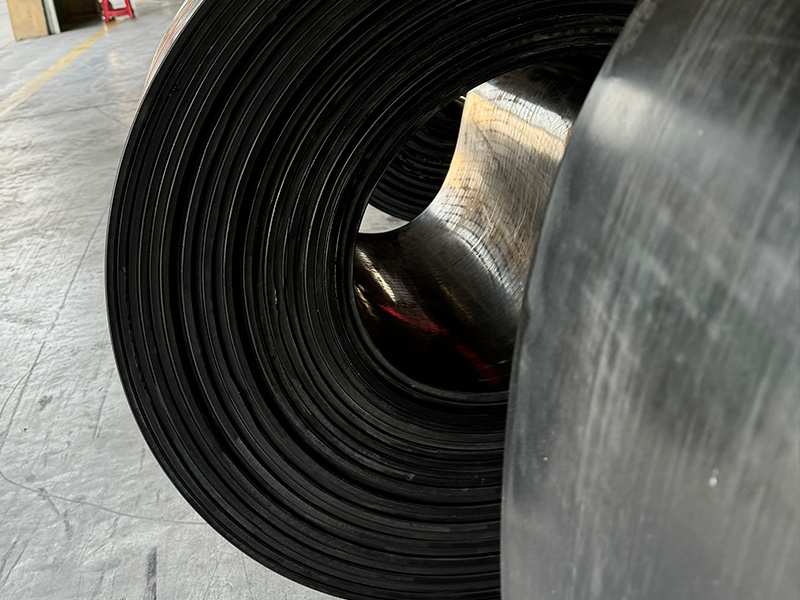
Why do PVC conveyor belts need to be wrapped?
If PVC conveyor belt is to be hemmed, it usually needs 2 cloth and 2 glue or more to be suitable for hemming. First, separate the cloth surface from the glue surface, and then wrap the edge with the glue surface on the surface, so that the hemming is completed. And the use of hot melt process, the edge of the bag and the conveyor belt as a whole.