Understanding Nylon Conveyor Belts: Essential Components for Material Handling in Construction Machinery
2026-02-10


Nylon conveyor belts are a fundamental component in various industrial applications, particularly in the manufacturing and construction machinery sectors. These belts are designed for efficient material transport, making them ideal for use in earthmoving and handling machinery. Understanding the properties and advantages of nylon conveyor belts can aid in making informed decisions regarding their
Nylon conveyor belts are a fundamental component in various industrial applications, particularly in the manufacturing and construction machinery sectors. These belts are designed for efficient material transport, making them ideal for use in earthmoving and handling machinery. Understanding the properties and advantages of nylon conveyor belts can aid in making informed decisions regarding their implementation in operations.
One of the primary characteristics of nylon conveyor belts is their high tensile strength. This durability allows them to handle heavy loads without compromising their structural integrity. They are designed to resist stretching and deformation, ensuring that they maintain their shape and function over time, even in demanding environments. This is particularly important in the construction industry, where heavy materials are frequently transported.
Another significant advantage of nylon conveyor belts is their flexibility. This feature enables these belts to be used in various applications, accommodating different machine designs and operational needs. The ability to bend and move smoothly around pulleys and rollers enhances the efficiency of material transport, reducing the risk of jams or misalignment, which can lead to costly downtime.
Nylon conveyor belts also exhibit excellent resistance to abrasion and wear. This property is particularly beneficial in construction settings, where materials such as gravel, sand, and soil can cause significant wear on less durable belts. By utilizing nylon conveyor belts, businesses can reduce maintenance costs and improve the longevity of their equipment.
Additionally, nylon conveyor belts are lightweight compared to other materials, making them easier to install and manage. This lightness does not compromise their strength, allowing for easy handling and reduced strain on machinery. This quality is essential for construction sites, where efficiency and safety are paramount.
When it comes to temperature resistance, nylon conveyor belts perform well in a variety of environments. They can withstand a range of temperatures, making them suitable for both indoor and outdoor applications. This versatility is a significant advantage, as it allows for their use in diverse climates and conditions.
In conclusion, nylon conveyor belts are indispensable in the manufacturing and construction machinery industries. Their high tensile strength, flexibility, abrasion resistance, and lightweight nature make them ideal for transporting materials in earthmoving and handling equipment. By understanding the benefits and features of nylon conveyor belts, professionals can enhance their operations, ensuring efficiency and reliability in material transport processes. Incorporating these belts into your machinery can lead to improved performance and reduced operational costs, ultimately benefiting your business in the competitive construction landscape.
Keywords:
Latest News
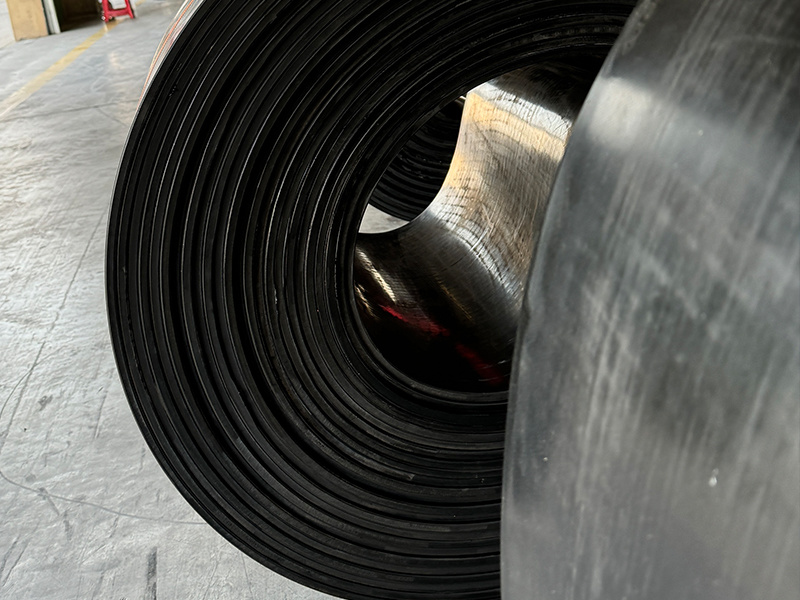
Why do PVC conveyor belts need to be wrapped?
If PVC conveyor belt is to be hemmed, it usually needs 2 cloth and 2 glue or more to be suitable for hemming. First, separate the cloth surface from the glue surface, and then wrap the edge with the glue surface on the surface, so that the hemming is completed. And the use of hot melt process, the edge of the bag and the conveyor belt as a whole.