The Role of Polyester Conveyor Belts in Efficient Material Handling
2026-02-13


The Role of Polyester Conveyor Belts in Efficient Material Handling
Table of Contents
1. Introduction to Polyester Conveyor Belts
2. Why Choose Polyester for Conveyor Belts?
3. Applications of Polyester Conveyor Belts in Various Industries
4. Advantages of Using Polyester Conveyor Belts
5. Maintenance Tips for Polyester Conveyor Belts
6. Future Trends in Polyester Conveyor
The Role of Polyester Conveyor Belts in Efficient Material Handling
Table of Contents
- 1. Introduction to Polyester Conveyor Belts
- 2. Why Choose Polyester for Conveyor Belts?
- 3. Applications of Polyester Conveyor Belts in Various Industries
- 4. Advantages of Using Polyester Conveyor Belts
- 5. Maintenance Tips for Polyester Conveyor Belts
- 6. Future Trends in Polyester Conveyor Belt Technology
- 7. Case Studies: Success Stories of Polyester Conveyor Belts
- 8. Conclusion
- 9. FAQs about Polyester Conveyor Belts
1. Introduction to Polyester Conveyor Belts
In the realm of manufacturing and construction, **efficient material handling** is paramount. Among the various components that contribute to this efficiency, **polyester conveyor belts** stand out as a vital asset. These belts are designed to transport materials across various stages of production and logistics with minimal friction and maximum durability. They are especially favored for their versatility and reliability in diverse environments.
In this article, we explore the significant role that polyester conveyor belts play in enhancing material handling operations, examining their composition, advantages, applications, and future developments.
2. Why Choose Polyester for Conveyor Belts?
When it comes to selecting materials for conveyor belts, polyester is a top contender. Some compelling reasons include:
2.1 Exceptional Strength-to-Weight Ratio
Polyester boasts a **high strength-to-weight ratio**, making it ideal for heavy-duty applications without adding unnecessary weight to the conveyor system.
2.2 Resistance to Environmental Factors
Polyester conveyor belts resist moisture, chemicals, and extreme temperatures, ensuring their longevity and performance in various settings.
2.3 Cost-Effectiveness
These belts offer an economical solution for companies looking to optimize their material handling processes without sacrificing quality.
3. Applications of Polyester Conveyor Belts in Various Industries
Polyester conveyor belts find application across numerous sectors:
3.1 Manufacturing
In manufacturing facilities, these belts transport raw materials, components, and finished products seamlessly from one point to another.
3.2 Construction
In the construction sector, polyester conveyor belts facilitate the movement of heavy materials, such as aggregates and concrete, enhancing workflow efficiency.
3.3 Mining and Quarrying
Polyester belts are essential in mining operations for transporting minerals and ores from extraction sites to processing plants.
3.4 Food Processing
These belts are increasingly used in food processing for their hygienic properties and ability to withstand rigorous cleaning protocols.
4. Advantages of Using Polyester Conveyor Belts
Utilizing polyester conveyor belts in material handling offers numerous benefits:
4.1 Durability and Longevity
Polyester conveyor belts are designed to withstand wear and tear, often lasting longer than their counterparts made from other materials.
4.2 Reduced Downtime
With their robust design, polyester belts require less frequent replacements and repairs, minimizing downtime in operations.
4.3 Enhanced Efficiency
The smooth operation of polyester conveyor belts leads to increased productivity, allowing for faster material transport and reduced bottlenecks.
5. Maintenance Tips for Polyester Conveyor Belts
To maximize the lifespan and efficiency of polyester conveyor belts, proper maintenance is essential. Here are key maintenance practices:
5.1 Regular Inspections
Conduct routine inspections to identify signs of wear, misalignment, or damage. Early detection can prevent more significant issues.
5.2 Proper Cleaning
Keep the belts clean to prevent material build-up and contamination. Use appropriate cleaning agents that won’t damage the polyester fibers.
5.3 Tension Adjustment
Ensure the tension of the conveyor belt is correctly set. Improper tension can lead to slippage and reduced efficiency.
6. Future Trends in Polyester Conveyor Belt Technology
As technology evolves, so too do the innovations in polyester conveyor belts. Some anticipated trends include:
6.1 Smart Conveyor Systems
Integration of IoT technology allows for real-time monitoring and data analysis, optimizing performance and predictive maintenance.
6.2 Eco-Friendly Materials
There is a growing trend towards using recycled materials in polyester belts, promoting sustainability in industrial processes.
6.3 Enhanced Coatings
Future developments may include advanced coatings that improve grip and reduce friction, further enhancing efficiency in material handling.
7. Case Studies: Success Stories of Polyester Conveyor Belts
Understanding the impact of polyester conveyor belts can be illustrated through real-world applications:
7.1 Case Study 1: Manufacturing Facility
A leading automotive manufacturer implemented polyester conveyor belts in their assembly line, resulting in a **20% increase** in throughput and a decrease in operational costs by **15%**.
7.2 Case Study 2: Construction Site
A construction company adopted polyester belts for transporting concrete and aggregates. This switch led to improved safety and a **30% reduction** in delivery times.
8. Conclusion
Polyester conveyor belts play a crucial role in enhancing **material handling efficiency** across various industries. Their strength, durability, and adaptability make them a preferred choice for companies looking to optimize their operations. By understanding their applications, advantages, and maintenance needs, businesses can leverage these belts to improve productivity and reduce costs. As technology advances, the future of polyester conveyor belts looks promising, with innovations that will further enhance their performance and sustainability.
9. FAQs about Polyester Conveyor Belts
9.1 What is the lifespan of polyester conveyor belts?
The lifespan of polyester conveyor belts can vary based on usage and maintenance but typically ranges from 5 to 10 years.
9.2 Can polyester conveyor belts be used in extreme temperatures?
Yes, polyester conveyor belts are designed to perform well in a range of temperatures, though specific conditions must be checked for optimal performance.
9.3 How do I clean polyester conveyor belts?
Use mild detergents and warm water to clean the belts. Avoid harsh chemicals that could damage the polyester fibers.
9.4 Are polyester conveyor belts suitable for food handling?
Yes, polyester conveyor belts are suitable for food processing, provided they meet relevant hygiene standards.
9.5 How can I improve the efficiency of my conveyor system?
Regular maintenance, proper tensioning, and timely inspections can significantly improve the efficiency of your conveyor system.
Keywords:
Latest News
Why do PVC conveyor belts need to be wrapped?
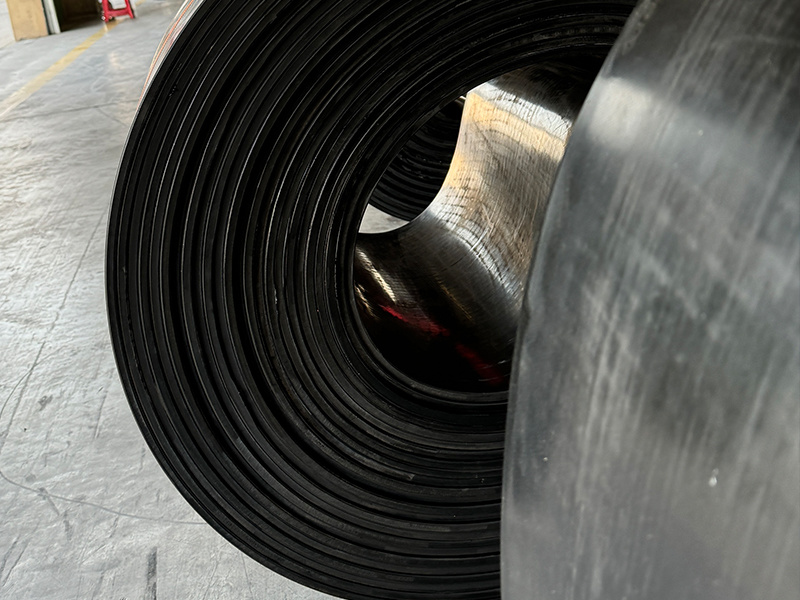
If PVC conveyor belt is to be hemmed, it usually needs 2 cloth and 2 glue or more to be suitable for hemming. First, separate the cloth surface from the glue surface, and then wrap the edge with the glue surface on the surface, so that the hemming is completed. And the use of hot melt process, the edge of the bag and the conveyor belt as a whole.