Safety Considerations When Using Nylon Conveyor Belts in Machinery
2026-02-25


Safety Considerations When Using Nylon Conveyor Belts in Machinery
Table of Contents
Introduction: The Importance of Safety in Machinery
Understanding Nylon Conveyor Belts: Materials and Applications
Potential Hazards of Nylon Conveyor Belts in Machinery
Safety Measures During Installation of Nylon Conveyor Belts
Operational Safety Considerations for Nylon Conveyor Belts
Safety Considerations When Using Nylon Conveyor Belts in Machinery
Table of Contents
- Introduction: The Importance of Safety in Machinery
- Understanding Nylon Conveyor Belts: Materials and Applications
- Potential Hazards of Nylon Conveyor Belts in Machinery
- Safety Measures During Installation of Nylon Conveyor Belts
- Operational Safety Considerations for Nylon Conveyor Belts
- Maintenance and Inspection Procedures for Nylon Conveyor Belts
- Training and Education for Safe Use of Nylon Conveyor Belts
- Conclusion: Prioritizing Safety in Conveyor Belt Operations
- FAQs on Nylon Conveyor Belts Safety
Introduction: The Importance of Safety in Machinery
In the world of machinery and construction, **safety** is paramount, especially when using equipment like **nylon conveyor belts**. These essential tools facilitate the efficient transport of materials in various industrial settings. However, neglecting safety considerations can lead to severe accidents, equipment failures, and workplace injuries. Therefore, understanding the safety measures specific to nylon conveyor belts is not just prudent; it is essential for maintaining a safe working environment.
Understanding Nylon Conveyor Belts: Materials and Applications
Nylon conveyor belts are renowned for their strength, flexibility, and resistance to wear and tear. They are engineered from high-quality nylon fibers, which provide excellent durability and tensile strength, making them suitable for various applications, including:
1. Industrial and Manufacturing Processes
In manufacturing plants, nylon conveyor belts transport raw materials and finished products efficiently, contributing to streamlined operations.
2. Construction and Heavy Machinery
These belts are also prevalent in the construction industry, where they facilitate the movement of heavy materials, such as soil and aggregate.
3. Food and Beverage Industry
Due to their ease of cleaning and resistance to contamination, nylon conveyor belts find applications in food processing and packaging lines, ensuring compliance with health standards.
Understanding the **properties** and **applications** of nylon conveyor belts allows operators to implement tailored safety measures, enhancing overall operational safety.
Potential Hazards of Nylon Conveyor Belts in Machinery
While nylon conveyor belts are incredibly effective, they are not without risks. Some of the potential hazards include:
1. Mechanical Injuries
Operators may face mechanical injuries if they get caught in moving parts of the conveyor system.
2. Slips and Falls
Wet or slippery surfaces around conveyor belts can lead to slips, falls, and other related injuries.
3. Material Handling Risks
Improper loading and unloading of materials can result in falling objects, posing risks to personnel.
Awareness of these potential hazards is critical for implementing preventive measures to mitigate risks effectively.
Safety Measures During Installation of Nylon Conveyor Belts
The installation phase is crucial for ensuring the long-term safety and functionality of nylon conveyor belts. Here are some essential safety measures to consider:
1. Conduct a Risk Assessment
Before installation, perform a comprehensive risk assessment to identify potential hazards associated with the conveyor system.
2. Use Proper Tools and Equipment
Ensure that all tools and equipment used during installation are in good condition and appropriate for the task at hand, minimizing the risk of accidents.
3. Follow Manufacturer Guidelines
Always adhere to the manufacturer's installation instructions to ensure a secure and safe setup.
4. Implement Lockout/Tagout Procedures
Before starting installation, activate lockout/tagout procedures to ensure that the machinery is completely shut down and cannot be accidentally activated.
Adhering to these installation safety measures is vital for laying a solid foundation for safe operations.
Operational Safety Considerations for Nylon Conveyor Belts
Once installed, operational safety becomes the focus. Maintaining a safe working environment around nylon conveyor belts involves several considerations:
1. Regular Monitoring
Continuously monitor the conveyor system for any unusual sounds, vibrations, or operational issues that may indicate a malfunction.
2. Clear Signage and Warnings
Implement clear signage around the conveyor area to warn personnel of potential hazards and restricted zones.
3. Safe Material Handling Practices
Train employees in proper loading and unloading techniques to prevent injuries related to material handling.
4. Maintaining a Clean Work Environment
Keep the area around the conveyor belts clean and free from debris to reduce the risk of slips and falls.
By prioritizing operational safety, organizations can significantly reduce the likelihood of accidents and ensure a safer workplace.
Maintenance and Inspection Procedures for Nylon Conveyor Belts
Regular maintenance and inspection are critical for the longevity and safe operation of nylon conveyor belts. Here are some best practices:
1. Scheduled Inspections
Conduct routine inspections to check for wear and tear, misalignment, and other potential issues.
2. Lubrication
Ensure that moving parts are adequately lubricated to minimize friction and prevent overheating.
3. Replace Worn Components
Promptly replace any worn or damaged components, including the conveyor belt itself, to avoid operational failures.
4. Document Maintenance Activities
Keep detailed records of maintenance activities to monitor the condition of the conveyor system effectively.
By adhering to a stringent maintenance schedule, facilities can prevent unexpected breakdowns and enhance overall safety.
Training and Education for Safe Use of Nylon Conveyor Belts
Investing in training and education is vital for ensuring that employees understand the risks associated with using nylon conveyor belts and how to mitigate them. Here are some key components of an effective training program:
1. Safety Protocols and Procedures
Provide comprehensive training on established safety protocols and procedures related to conveyor belt operations.
2. Hands-On Training
Incorporate hands-on training sessions that allow employees to familiarize themselves with the equipment and emergency procedures.
3. Ongoing Education
Implement ongoing education initiatives to keep staff updated on safety best practices and any new developments in equipment and technology.
4. Encourage Reporting and Feedback
Create an environment where employees feel comfortable reporting safety concerns and providing feedback on safety practices.
Investing in training and education fosters a culture of safety, empowering employees to prioritize their well-being and that of their colleagues.
Conclusion: Prioritizing Safety in Conveyor Belt Operations
In conclusion, the use of nylon conveyor belts in machinery presents both opportunities and challenges. By understanding the specific safety considerations associated with their use, organizations can implement effective measures to minimize risks. This includes conducting thorough risk assessments, adhering to installation guidelines, ensuring continuous monitoring during operations, maintaining equipment diligently, and prioritizing training for employees. By embedding safety into the core of conveyor belt operations, businesses can enhance productivity while safeguarding the well-being of their workforce.
FAQs on Nylon Conveyor Belts Safety
1. What are the common hazards associated with nylon conveyor belts?
Common hazards include mechanical injuries, slips and falls, and risks related to material handling.
2. How often should nylon conveyor belts be inspected?
Nylon conveyor belts should be inspected regularly, with a recommended schedule based on usage and manufacturer guidelines.
3. What safety measures should be taken during installation?
Conduct a risk assessment, use proper tools, follow manufacturer guidelines, and implement lockout/tagout procedures.
4. How can we ensure safe operation of conveyor belts?
Regular monitoring, clear signage, safe material handling practices, and maintaining a clean work environment are essential for safe operation.
5. What training is necessary for employees working with conveyor belts?
Training should cover safety protocols, hands-on equipment handling, ongoing education on safety best practices, and encouraging feedback on safety concerns.
Keywords:
Latest News
Why do PVC conveyor belts need to be wrapped?
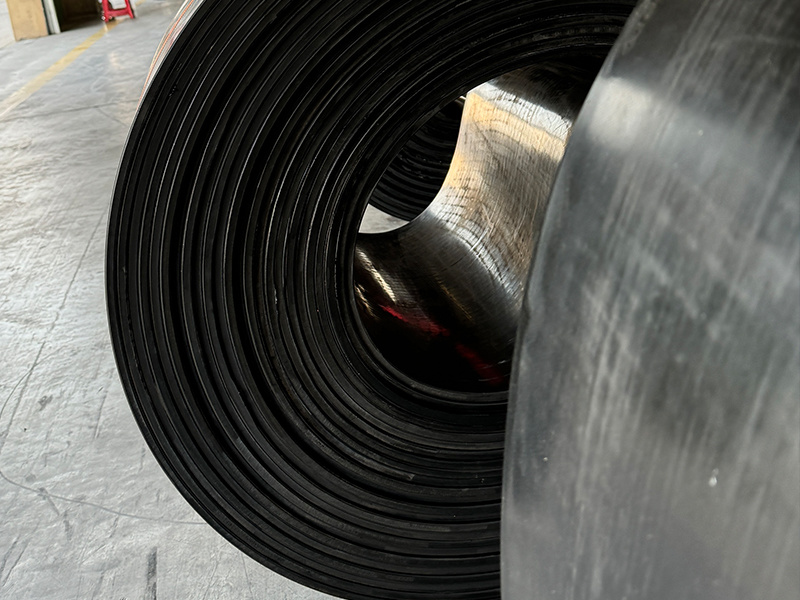
If PVC conveyor belt is to be hemmed, it usually needs 2 cloth and 2 glue or more to be suitable for hemming. First, separate the cloth surface from the glue surface, and then wrap the edge with the glue surface on the surface, so that the hemming is completed. And the use of hot melt process, the edge of the bag and the conveyor belt as a whole.