Essential Insights on Polyester Conveyor Belts for Earthmoving Equipment
2026-02-28


Polyester conveyor belts are becoming increasingly popular in various sectors, particularly in the manufacturing and construction machinery industries, including earthmoving equipment such as excavators and bulldozers. These belts are renowned for their versatility, strength, and reliability, making them an excellent choice for transporting materials efficiently on job sites.
One of the most signi
Polyester conveyor belts are becoming increasingly popular in various sectors, particularly in the manufacturing and construction machinery industries, including earthmoving equipment such as excavators and bulldozers. These belts are renowned for their versatility, strength, and reliability, making them an excellent choice for transporting materials efficiently on job sites.
One of the most significant advantages of polyester conveyor belts is their high tensile strength. This characteristic allows them to handle heavy loads without excessive stretching or breaking. For construction projects that involve transporting bulk materials like soil, gravel, or sand, a robust conveyor belt is essential to ensure seamless operations. The durability of polyester belts also minimizes maintenance needs, reducing downtime and enhancing productivity.
Moreover, polyester conveyor belts are resistant to moisture and various chemicals. This feature is particularly advantageous in outdoor environments, where exposure to water or chemical agents can compromise the integrity of less durable materials. The ability to withstand these conditions means that polyester belts can maintain their performance over time, providing a reliable solution for earthmoving tasks.
Another important aspect to consider is the flexibility of polyester conveyor belts. Their design allows for easy installation and adaptability to different types of conveyor systems. This flexibility is crucial in earthmoving applications, where machinery configurations may vary from one project to another. Whether the conveyor belt needs to curve around obstacles or move materials at different angles, polyester belts can accommodate these requirements effectively.
In addition to their physical properties, polyester conveyor belts are also lightweight compared to other materials. This characteristic not only makes them easier to handle during installation but also contributes to energy efficiency. Lighter belts require less power to operate, which can lead to lower operational costs over time.
When selecting polyester conveyor belts for your earthmoving equipment, it is essential to consider factors such as the specific application, load capacity, and environmental conditions. Collaborating with manufacturers or suppliers who specialize in conveyor systems can provide valuable insights and recommendations tailored to your needs.
In conclusion, polyester conveyor belts are an excellent choice for the manufacturing and construction machinery sectors, particularly for earthmoving applications. Their strength, durability, moisture resistance, flexibility, and lightweight nature make them ideal for transporting various materials safely and efficiently on job sites. By understanding their benefits and applications, businesses can make informed decisions that enhance operational efficiency and productivity.
One of the most significant advantages of polyester conveyor belts is their high tensile strength. This characteristic allows them to handle heavy loads without excessive stretching or breaking. For construction projects that involve transporting bulk materials like soil, gravel, or sand, a robust conveyor belt is essential to ensure seamless operations. The durability of polyester belts also minimizes maintenance needs, reducing downtime and enhancing productivity.
Moreover, polyester conveyor belts are resistant to moisture and various chemicals. This feature is particularly advantageous in outdoor environments, where exposure to water or chemical agents can compromise the integrity of less durable materials. The ability to withstand these conditions means that polyester belts can maintain their performance over time, providing a reliable solution for earthmoving tasks.
Another important aspect to consider is the flexibility of polyester conveyor belts. Their design allows for easy installation and adaptability to different types of conveyor systems. This flexibility is crucial in earthmoving applications, where machinery configurations may vary from one project to another. Whether the conveyor belt needs to curve around obstacles or move materials at different angles, polyester belts can accommodate these requirements effectively.
In addition to their physical properties, polyester conveyor belts are also lightweight compared to other materials. This characteristic not only makes them easier to handle during installation but also contributes to energy efficiency. Lighter belts require less power to operate, which can lead to lower operational costs over time.
When selecting polyester conveyor belts for your earthmoving equipment, it is essential to consider factors such as the specific application, load capacity, and environmental conditions. Collaborating with manufacturers or suppliers who specialize in conveyor systems can provide valuable insights and recommendations tailored to your needs.
In conclusion, polyester conveyor belts are an excellent choice for the manufacturing and construction machinery sectors, particularly for earthmoving applications. Their strength, durability, moisture resistance, flexibility, and lightweight nature make them ideal for transporting various materials safely and efficiently on job sites. By understanding their benefits and applications, businesses can make informed decisions that enhance operational efficiency and productivity.
Keywords:
Latest News
Why do PVC conveyor belts need to be wrapped?
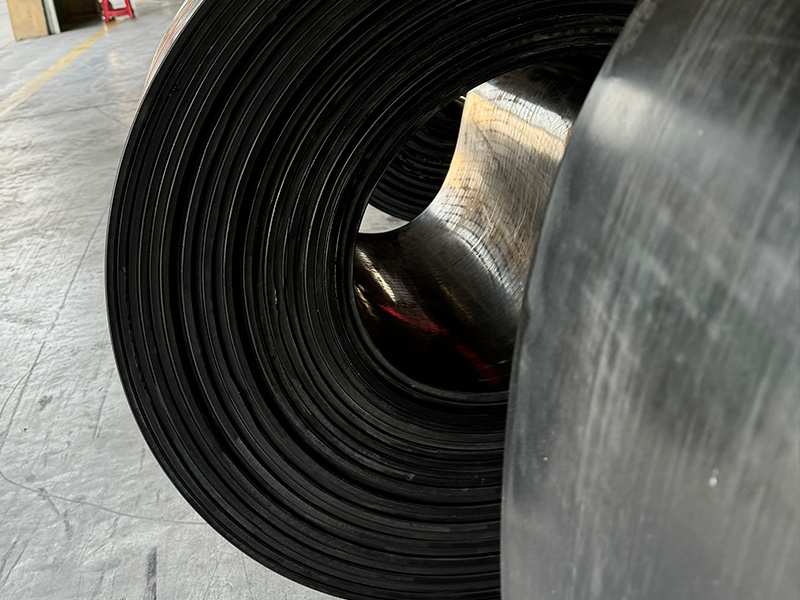
If PVC conveyor belt is to be hemmed, it usually needs 2 cloth and 2 glue or more to be suitable for hemming. First, separate the cloth surface from the glue surface, and then wrap the edge with the glue surface on the surface, so that the hemming is completed. And the use of hot melt process, the edge of the bag and the conveyor belt as a whole.