Exploring the Impact of Air-Cooled Electromagnetic Iron Removers on Construction Equipment
2026-03-03


Exploring the Impact of Air-Cooled Electromagnetic Iron Removers on Construction Equipment
Introduction to Air-Cooled Electromagnetic Iron Removers
In the construction industry, the efficiency and reliability of machinery are paramount. One emerging technology that has garnered attention is the **air-cooled electromagnetic iron remover**. This device is designed to eliminate ferrous metal contamin
Exploring the Impact of Air-Cooled Electromagnetic Iron Removers on Construction Equipment
Introduction to Air-Cooled Electromagnetic Iron Removers
In the construction industry, the efficiency and reliability of machinery are paramount. One emerging technology that has garnered attention is the **air-cooled electromagnetic iron remover**. This device is designed to eliminate ferrous metal contaminants from various materials, significantly improving the performance and longevity of construction equipment. Understanding its impact can provide a competitive edge in the ever-evolving world of construction.
What Are Air-Cooled Electromagnetic Iron Removers?
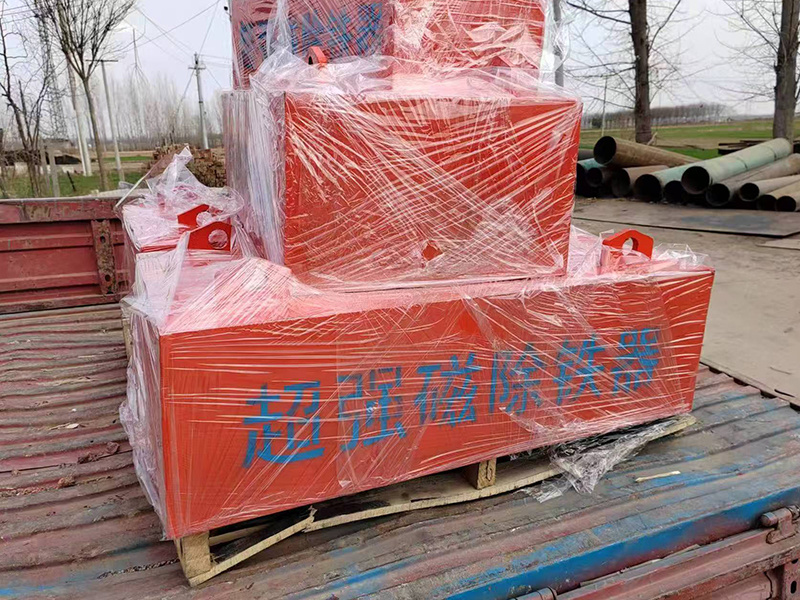
Air-cooled electromagnetic iron removers are specialized machines designed to attract and remove ferrous materials from non-ferrous materials during processing. They operate on the principle of electromagnetic induction, using a magnetic field to lift and remove unwanted iron particles. Unlike traditional systems, these units are air-cooled, which offers several advantages in durability and efficiency.
How Do Air-Cooled Electromagnetic Iron Removers Work?
The operation of air-cooled electromagnetic iron removers can be broken down into several key steps:
1. **Magnetic Field Generation**: The device creates a powerful magnetic field that attracts ferrous materials.
2. **Separation Process**: As materials pass through the system, iron contaminants are drawn away, ensuring that only clean, uncontaminated materials continue through the processing line.
3. **Cooling Mechanism**: The air-cooling aspect prevents overheating, allowing for prolonged operation without the risk of damage or failure.
Benefits of Using Air-Cooled Electromagnetic Iron Removers in Construction Equipment
Employing air-cooled electromagnetic iron removers can yield numerous benefits for construction operations:
Enhanced Equipment Performance
By effectively eliminating ferrous contaminants, these devices help maintain the integrity of construction machinery. This results in smoother operation, improved efficiency, and extended equipment lifespan. Not only does this enhance performance, but it also reduces the likelihood of mechanical failures caused by debris.
Cost Efficiency and Maintenance Savings
The integration of air-cooled electromagnetic iron removers translates directly into cost savings. With reduced maintenance needs and prolonged equipment life, businesses can save significantly on repair costs and downtime. This financial advantage can directly impact the bottom line, making it a worthwhile investment.
Increased Safety Standards
Safety in construction is non-negotiable. By removing harmful ferrous materials, air-cooled electromagnetic iron removers help protect workers and machinery alike. This reduction in hazardous materials contributes to a safer working environment, minimizing the risk of accidents caused by equipment failure or malfunction.
Environmental Considerations
With sustainability becoming increasingly important in the construction industry, air-cooled electromagnetic iron removers offer an environmentally friendly solution. By optimizing material processing and reducing waste, these devices contribute to a greener construction practice.
Applications of Air-Cooled Electromagnetic Iron Removers
The versatility of air-cooled electromagnetic iron removers allows them to be utilized in various applications across the construction sector:
Material Processing
These machines are essential in processing materials such as sand, gravel, and recycled aggregates. By ensuring that these materials are free from iron contaminants, they enhance quality and usability in construction projects.
Mining Operations
In mining, the presence of iron can compromise the purity of extracted materials. Air-cooled electromagnetic iron removers can efficiently enhance the quality of mined resources, resulting in higher-value outputs.
Recycling Facilities
In recycling operations, the separation of ferrous metals from other recyclables is crucial. Air-cooled electromagnetic iron removers can streamline this process, boosting efficiency and ensuring cleaner end products.
Challenges and Considerations
While the benefits are compelling, there are also challenges to consider when integrating air-cooled electromagnetic iron removers into operations:
Initial Investment Costs
The initial investment in high-quality air-cooled electromagnetic iron removers may be significant. However, businesses must weigh this against the long-term savings and efficiency gains.
Training and Implementation
Integrating new technology requires proper training for personnel. Ensuring that staff are well-versed in operating and maintaining the equipment is essential for maximizing benefits.
Case Studies: Success Stories in Construction
To illustrate the impact of air-cooled electromagnetic iron removers, consider the following case studies:
Case Study 1: A Major Construction Firm
A leading construction firm integrated air-cooled electromagnetic iron removers into their material processing line. The result was a **30% reduction** in equipment maintenance costs and a **20% increase** in overall operational efficiency. This transformation allowed the firm to take on larger projects without sacrificing performance.
Case Study 2: A Recycling Plant
A recycling plant adopted air-cooled electromagnetic iron removers to improve their material purity. They reported a significant increase in the quality of their recycled aggregates, leading to a **15% increase** in sales due to higher demand for cleaner materials.
Future Trends in Air-Cooled Electromagnetic Iron Removers
As technology advances, the future of air-cooled electromagnetic iron removers looks promising. Key trends include:
Increased Automation
The trend towards automation in construction equipment is expected to enhance the functionality of air-cooled electromagnetic iron removers, allowing for more efficient operations with less human intervention.
Improved Energy Efficiency
Future designs may prioritize energy efficiency, further reducing operating costs and environmental impacts, making these machines even more appealing to construction businesses.
Frequently Asked Questions (FAQs)
1. What maintenance is required for air-cooled electromagnetic iron removers?
Routine inspections and cleaning of the unit are essential to ensure optimal performance. Checking electrical connections and ensuring that the cooling system is functioning properly is also crucial.
2. Are air-cooled electromagnetic iron removers suitable for all types of materials?
While they are highly effective for most materials, it's important to assess the specific application and material characteristics to ensure compatibility.
3. How do air-cooled electromagnetic iron removers compare to traditional systems?
Air-cooled systems generally offer better durability and require less maintenance, leading to longer operational life and reduced downtime compared to traditional systems.
4. Can these removers be integrated into existing systems?
Yes, air-cooled electromagnetic iron removers can often be retrofitted to existing machinery, enhancing performance without the need for complete system overhauls.
5. What industries benefit the most from air-cooled electromagnetic iron removers?
Construction, mining, and recycling industries are among the primary beneficiaries due to their need for clean materials and efficient processing.
Conclusion
In conclusion, the integration of **air-cooled electromagnetic iron removers** in construction equipment is not just a trend; it is a fundamental shift towards greater efficiency, safety, and sustainability. By understanding their operation, benefits, and applications, businesses can harness this technology to enhance their operations significantly. As the construction industry continues to evolve, those who adopt these innovations will find themselves at the forefront of efficiency and competitiveness, paving the way for a more productive future.
Keywords:
Latest News
Why do PVC conveyor belts need to be wrapped?
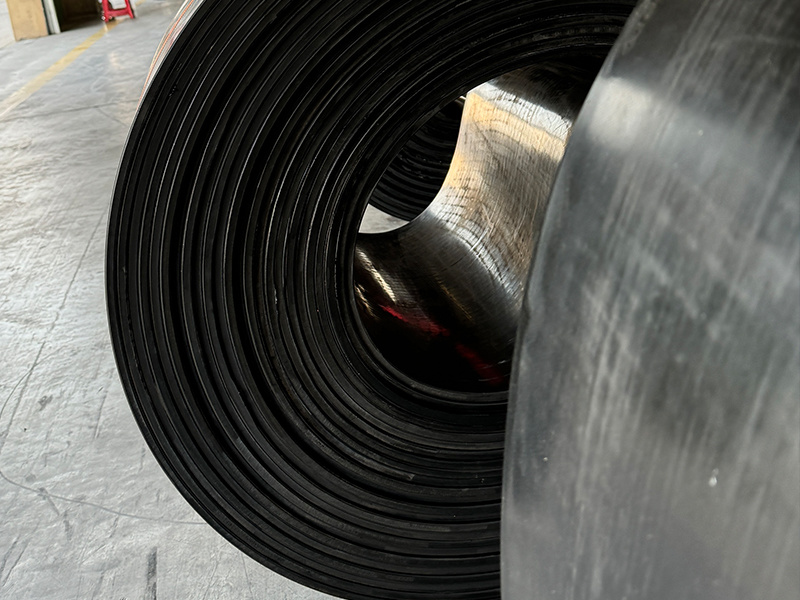
If PVC conveyor belt is to be hemmed, it usually needs 2 cloth and 2 glue or more to be suitable for hemming. First, separate the cloth surface from the glue surface, and then wrap the edge with the glue surface on the surface, so that the hemming is completed. And the use of hot melt process, the edge of the bag and the conveyor belt as a whole.