The Essential Guide to Steeply Inclined Conveyor Belts in Material Handling
2026-03-06


Steeply inclined conveyor belts are specialized systems designed to transport materials at significant angles, often exceeding 30 degrees. These systems are crucial in various industries, particularly in manufacturing and construction, where the movement of bulk materials is necessary. The unique design of steeply inclined conveyors allows for efficient space utilization, making them ideal for app
Steeply inclined conveyor belts are specialized systems designed to transport materials at significant angles, often exceeding 30 degrees. These systems are crucial in various industries, particularly in manufacturing and construction, where the movement of bulk materials is necessary. The unique design of steeply inclined conveyors allows for efficient space utilization, making them ideal for applications where traditional horizontal transport systems would be impractical or impossible.
One of the key benefits of steeply inclined conveyor belts is their ability to handle a wide range of materials, from loose aggregates and minerals to packaged goods. The incline design minimizes the risk of material slippage, ensuring a safe and efficient transfer process. Furthermore, these conveyor systems can be adapted to various configurations, allowing for flexibility in layout and operation.
In addition to their versatility, steeply inclined conveyors are engineered for durability. The materials used in their construction are often resistant to wear and tear, which is particularly important in environments where heavy loads are a constant. The belts themselves are typically made from high-strength materials that can withstand the rigors of transporting heavy or abrasive materials. This durability translates into reduced maintenance costs and extended operational life.
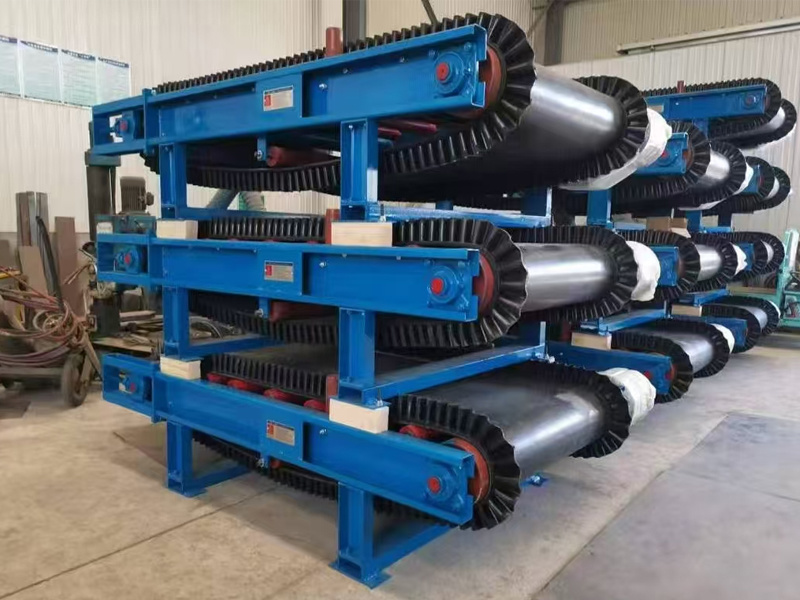
The design of steeply inclined conveyor belts also incorporates features that enhance their performance. For instance, cleated belts are frequently used to increase friction and prevent material rollback, further ensuring that materials are transported securely and efficiently. Additionally, these belts can be equipped with sidewalls to contain the material and prevent spillage, maintaining a clean working environment.
When considering the implementation of steeply inclined conveyor belts, it is vital to conduct a thorough analysis of your specific material handling needs. Factors such as the type of materials to be moved, the required incline angle, and the overall layout of your facility should all be taken into account. Working closely with engineering teams can help optimize the conveyor system design, ensuring that it meets both operational efficiency and safety standards.
In conclusion, steeply inclined conveyor belts offer an effective solution for the transport of materials in challenging environments. Their ability to handle steep angles, combined with robust design and adaptability to various materials, makes them an essential component in the manufacturing and construction machinery sectors. Whether you are looking to enhance your current systems or exploring new material handling solutions, steeply inclined conveyor belts are worth considering for their efficiency, reliability, and versatility.
One of the key benefits of steeply inclined conveyor belts is their ability to handle a wide range of materials, from loose aggregates and minerals to packaged goods. The incline design minimizes the risk of material slippage, ensuring a safe and efficient transfer process. Furthermore, these conveyor systems can be adapted to various configurations, allowing for flexibility in layout and operation.
In addition to their versatility, steeply inclined conveyors are engineered for durability. The materials used in their construction are often resistant to wear and tear, which is particularly important in environments where heavy loads are a constant. The belts themselves are typically made from high-strength materials that can withstand the rigors of transporting heavy or abrasive materials. This durability translates into reduced maintenance costs and extended operational life.
The design of steeply inclined conveyor belts also incorporates features that enhance their performance. For instance, cleated belts are frequently used to increase friction and prevent material rollback, further ensuring that materials are transported securely and efficiently. Additionally, these belts can be equipped with sidewalls to contain the material and prevent spillage, maintaining a clean working environment.
When considering the implementation of steeply inclined conveyor belts, it is vital to conduct a thorough analysis of your specific material handling needs. Factors such as the type of materials to be moved, the required incline angle, and the overall layout of your facility should all be taken into account. Working closely with engineering teams can help optimize the conveyor system design, ensuring that it meets both operational efficiency and safety standards.
In conclusion, steeply inclined conveyor belts offer an effective solution for the transport of materials in challenging environments. Their ability to handle steep angles, combined with robust design and adaptability to various materials, makes them an essential component in the manufacturing and construction machinery sectors. Whether you are looking to enhance your current systems or exploring new material handling solutions, steeply inclined conveyor belts are worth considering for their efficiency, reliability, and versatility.
Keywords:
Latest News
Why do PVC conveyor belts need to be wrapped?
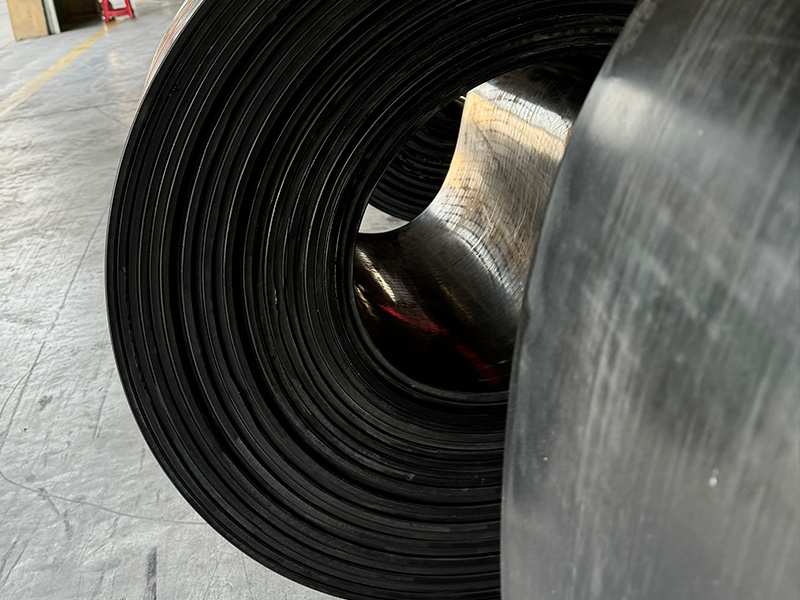
If PVC conveyor belt is to be hemmed, it usually needs 2 cloth and 2 glue or more to be suitable for hemming. First, separate the cloth surface from the glue surface, and then wrap the edge with the glue surface on the surface, so that the hemming is completed. And the use of hot melt process, the edge of the bag and the conveyor belt as a whole.