Why Permanent Magnetic Separators are Indispensable for Soil Transport Equipment
2026-03-09


Why Permanent Magnetic Separators Are Essential for Soil Transport Equipment
Soil transport equipment is vital in various industries, including construction, agriculture, and mining. As these machines operate in rugged environments, they are susceptible to wear and tear from contaminants, particularly ferrous materials. **Permanent magnetic separators** play a crucial role in enhancing the efficie
Why Permanent Magnetic Separators Are Essential for Soil Transport Equipment
Soil transport equipment is vital in various industries, including construction, agriculture, and mining. As these machines operate in rugged environments, they are susceptible to wear and tear from contaminants, particularly ferrous materials. **Permanent magnetic separators** play a crucial role in enhancing the efficiency and longevity of soil transport equipment by removing harmful metallic particles. In this article, we will delve into the significance of permanent magnetic separators, how they work, their applications, and the benefits they provide to the soil transport sector.
Understanding the Role of Permanent Magnetic Separators
Permanent magnetic separators are devices designed to extract ferrous contaminants from bulk materials. By employing a magnetic field, these separators attract and hold onto magnetic particles, ensuring that clean material passes through the system. This process not only helps maintain the quality of the transported soil but also protects expensive machinery from potential damage caused by metal fragments.
The Importance of Magnetic Separation in Soil Transport
In soil transport, the presence of metal debris can lead to several issues:
1. **Equipment Damage**: Metal particles can cause wear and tear on machines, leading to frequent repairs and higher maintenance costs.
2. **Quality Control**: Contaminated soil can negatively impact construction projects, agricultural yields, and environmental safety.
3. **Operational Efficiency**: Removing contaminants ensures that machinery operates smoothly, reducing downtime and increasing productivity.
Enhancing Operational Efficiency with Magnetic Separators
By integrating permanent magnetic separators into soil transport equipment, operators can achieve remarkable improvements in operational efficiency. These devices not only safeguard machinery but also contribute to a more streamlined workflow.
How Permanent Magnetic Separators Work
Understanding the mechanics behind permanent magnetic separators is essential for appreciating their value. These separators utilize a magnetic field generated by permanent magnets, which creates an attractive force on ferrous materials. Here’s a closer look at their operational mechanisms:
The Working Principles of Magnetic Separation
1. **Magnetic Field Generation**: Permanent magnets create a strong magnetic field capable of attracting ferrous particles.
2. **Material Flow**: As soil or other materials pass through the separator, the magnetic field captures any metal contaminants.
3. **Discharge Mechanism**: Once trapped, the ferrous materials are either removed manually or through automated systems, allowing clean material to continue flowing.
Types of Permanent Magnetic Separators
Different types of permanent magnetic separators exist, each tailored for specific applications in the soil transport industry:
- **Magnetic Drums**: Ideal for bulk material handling, these drums are often employed in conveyor systems to continuously separate ferrous contaminants.
- **Magnetic Plates**: Used in various configurations, magnetic plates can be installed in chutes or hoppers to catch metal debris as it falls.
- **Overband Magnets**: These are designed to be mounted above conveyor belts, capturing ferrous materials without interrupting the flow of the primary material.
Advantages of Using Permanent Magnetic Separators
Integrating permanent magnetic separators into soil transport equipment offers multiple advantages that contribute to overall efficiency and effectiveness.
1. Cost Reduction
By preventing equipment damage and reducing maintenance costs, permanent magnetic separators lead to significant savings over time. The initial investment in these devices pays off through prolonged equipment lifespan and minimized downtime.
2. Improved Material Quality
Ensuring the purity of transported soil and other materials is critical for meeting industry standards. Permanent magnetic separators enhance the quality of the end product, which is particularly important in construction and agriculture.
3. Safety Enhancements
The presence of ferrous contaminants can pose safety risks, particularly in construction sites. By removing these particles, magnetic separators contribute to safer working environments, reducing the likelihood of accidents and injuries.
4. Environmental Benefits
By ensuring cleaner soil and reducing waste generated from damaged equipment, permanent magnetic separators help promote sustainable practices within the industry. Keeping the environment clean and free from contaminants aligns with the growing emphasis on eco-friendly operations.
5. Increased Productivity
With less downtime for machinery repairs and maintenance, operators can achieve higher productivity levels. This improvement can lead to increased project throughput and better overall performance.
Applications of Permanent Magnetic Separators in Soil Transport Equipment
Permanent magnetic separators have numerous applications across the soil transport landscape.
1. Construction and Excavation
In construction, soil transport equipment frequently encounters ferrous debris. By employing magnetic separators, contractors can ensure the integrity of their materials, preventing costly delays and maintaining project timelines.
2. Agriculture
Farmers utilize soil transport equipment for various tasks, including moving soil and fertilizers. Magnetic separators help ensure that these materials are free from contaminants, promoting healthier crops and better yields.
3. Mining and Mineral Processing
In the mining sector, permanent magnetic separators are essential for separating valuable ores from waste materials. This application enhances resource recovery and contributes to more efficient operations.
4. Recycling and Waste Management
In recycling facilities, magnetic separators play a key role in ensuring that metal contaminants are removed from soil and other materials, allowing for proper recycling processes.
Choosing the Right Permanent Magnetic Separator
Selecting the appropriate magnetic separator for soil transport equipment requires careful consideration of various factors.
1. Material Type
Different materials may require specific types of magnetic separators. Understanding the nature of the material being transported is essential for making the right choice.
2. Flow Rate
The flow rate of the material impacts the type and size of the magnetic separator needed. Operators should consider the volume of material that will be processed to ensure optimal performance.
3. Installation Location
The installation location can affect the efficiency of the magnetic separator. Factors such as space, accessibility, and the physical layout of equipment must be evaluated before installation.
4. Maintenance Requirements
It is important to choose a magnetic separator that is easy to maintain. Regular maintenance will ensure optimal performance and extend the lifespan of the device.
FAQs about Permanent Magnetic Separators
1. What are permanent magnetic separators made of?
Permanent magnetic separators are typically made from high-energy magnets such as neodymium or ferrite, which are designed to produce strong magnetic fields.
2. How often should permanent magnetic separators be cleaned?
Cleaning frequency depends on the volume of material processed. Regular inspections are recommended, and separators should be cleaned when they become saturated with ferrous materials.
3. Can permanent magnetic separators be used in wet applications?
Yes, there are specially designed permanent magnetic separators that are suitable for wet applications, ensuring effective separation even in moist environments.
4. What is the difference between permanent and electromagnets?
Permanent magnets do not require electricity to operate, while electromagnets use electrical power to generate a magnetic field. Permanent magnets are generally more energy-efficient and require less maintenance.
5. Can I retrofit my existing soil transport equipment with magnetic separators?
Yes, many magnetic separators can be retrofitted to existing equipment. Consulting with a specialist can help determine the best options for your machinery.
Conclusion
Permanent magnetic separators are indispensable tools for enhancing the efficiency and reliability of soil transport equipment. By protecting machinery from ferrous contaminants and ensuring the quality of transported materials, these devices offer numerous benefits across various industries, including construction, agriculture, and mining. Emphasizing the importance of magnetic separation not only leads to cost savings and improved safety but also aligns with sustainable practices essential for the future. By investing in permanent magnetic separators, businesses can optimize their operations and ensure long-term success.
Keywords:
Latest News
Why do PVC conveyor belts need to be wrapped?
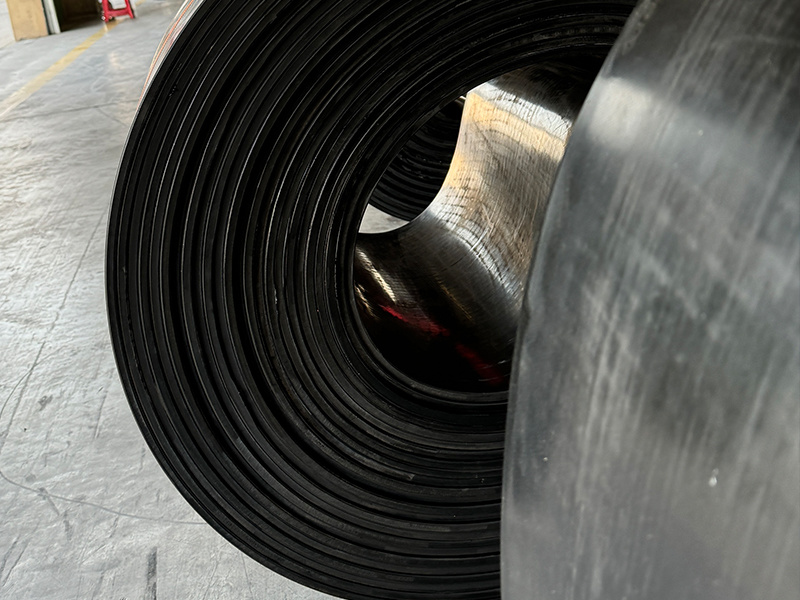
If PVC conveyor belt is to be hemmed, it usually needs 2 cloth and 2 glue or more to be suitable for hemming. First, separate the cloth surface from the glue surface, and then wrap the edge with the glue surface on the surface, so that the hemming is completed. And the use of hot melt process, the edge of the bag and the conveyor belt as a whole.