Maximize Your Machinery's Lifespan with Air-Cooled Electromagnetic Iron Removers
2026-04-02


Maximize Your Machinery's Lifespan with Air-Cooled Electromagnetic Iron Removers
Table of Contents
1. Introduction to Air-Cooled Electromagnetic Iron Removers
2. Benefits of Using Air-Cooled Electromagnetic Iron Removers
3. How Air-Cooled Electromagnetic Iron Removers Work
4. Applications in Manufacturing and Construction
5. Impact on Machinery Lifespan
6. Maintenance Tips for Optimal
Maximize Your Machinery's Lifespan with Air-Cooled Electromagnetic Iron Removers
Table of Contents
- 1. Introduction to Air-Cooled Electromagnetic Iron Removers
- 2. Benefits of Using Air-Cooled Electromagnetic Iron Removers
- 3. How Air-Cooled Electromagnetic Iron Removers Work
- 4. Applications in Manufacturing and Construction
- 5. Impact on Machinery Lifespan
- 6. Maintenance Tips for Optimal Performance
- 7. How to Choose the Right Air-Cooled Electromagnetic Iron Remover
- 8. Frequently Asked Questions
- 9. Conclusion
1. Introduction to Air-Cooled Electromagnetic Iron Removers
In the realm of **manufacturing** and **construction machinery**, the longevity and operational efficiency of equipment are paramount. **Air-cooled electromagnetic iron removers** have emerged as essential tools in safeguarding machinery from iron contaminants. These devices not only prevent damage but also enhance the overall functionality of your equipment. By understanding how these systems work and their benefits, you can maximize your machinery's lifespan.
2. Benefits of Using Air-Cooled Electromagnetic Iron Removers
Investing in air-cooled electromagnetic iron removers comes with a plethora of advantages.
2.1 Enhanced Machinery Efficiency
One of the primary benefits is the significant boost in **operational efficiency**. By removing ferrous materials, these devices allow machinery to operate at peak performance, reducing wear and tear.
2.2 Increased Equipment Lifespan
Regular use of these iron removers can extend the lifespan of your machinery. By preventing wear from contaminants, you decrease the chances of costly repairs and replacements.
2.3 Reduced Downtime
Minimized downtime is crucial for productivity. Air-cooled electromagnetic iron removers can efficiently eliminate contaminants, thus ensuring that your machinery operates consistently without interruptions.
2.4 Safety Enhancements
In addition to machinery health, these systems promote safety. By preventing metal debris from entering machinery, they reduce the risk of accidents and injuries on the job site.
2.5 Cost-Effectiveness
While the initial investment in air-cooled electromagnetic iron removers may seem significant, the long-term savings from reduced maintenance costs and extended equipment lifespan justify the expense.
3. How Air-Cooled Electromagnetic Iron Removers Work
Understanding the mechanics behind air-cooled electromagnetic iron removers is essential for maximizing their benefits.
3.1 The Electromagnetic Process
These devices utilize electromagnetic fields to attract and remove iron particles from the surrounding environment. When activated, the electromagnetic coil generates a magnetic field, effectively capturing ferrous debris.
3.2 Air-Cooling Mechanism
The air-cooling feature is crucial as it prevents overheating during operation. This function ensures that the electromagnetic components maintain optimal performance without risking damage due to excessive heat.
3.3 Integration with Machinery
Air-cooled electromagnetic iron removers can be easily integrated into existing machinery systems, providing a seamless solution for iron removal without extensive modifications.
4. Applications in Manufacturing and Construction
Air-cooled electromagnetic iron removers find applications across various sectors.
4.1 Construction Machinery
In the construction industry, heavy machinery such as excavators and loaders often encounters iron debris. Using these iron removers helps maintain the integrity of these crucial machines.
4.2 Manufacturing Equipment
Manufacturing processes involve numerous components where iron contaminants can cause disruptions. These devices are essential in production lines to ensure smooth operation and product quality.
4.3 Recycling Plants
In recycling operations, where ferrous materials are prevalent, air-cooled electromagnetic iron removers play a vital role in maintaining the quality of recycled materials.
5. Impact on Machinery Lifespan
The impact of air-cooled electromagnetic iron removers on machinery lifespan cannot be overstated.
5.1 Prevention of Abrasive Wear
By effectively removing iron contaminants, these devices prevent abrasive wear on critical components such as bearings, gears, and motors.
5.2 Enhanced Lubrication
A cleaner environment allows for better lubrication, which further reduces friction and prolongs the functioning of machinery parts.
5.3 Minimizing Operational Risks
Less iron contamination translates to fewer operational risks, ensuring that machinery remains reliable throughout its lifecycle.
6. Maintenance Tips for Optimal Performance
To ensure your air-cooled electromagnetic iron remover operates at its best, regular maintenance is essential.
6.1 Routine Inspections
Conduct routine inspections to check for any signs of wear or malfunctioning components. Early detection can prevent major issues down the line.
6.2 Cleaning Procedures
Regularly clean the electromagnetic coils to maintain efficiency. Dust and debris can accumulate over time, impacting performance.
6.3 Operating Conditions
Ensure that your machinery operates within the recommended conditions. Extreme environments can affect the performance of the iron remover.
7. How to Choose the Right Air-Cooled Electromagnetic Iron Remover
Selecting the appropriate air-cooled electromagnetic iron remover is crucial for maximizing its effectiveness.
7.1 Assess Your Machinery Needs
Evaluate the specific requirements of your machinery and the types of contaminants you expect to encounter. This assessment will guide your choice.
7.2 Capacity and Size
Consider the capacity and size of the iron remover. It should match the scale of your operations and the machinery it will service.
7.3 Quality and Reliability
Invest in high-quality equipment from reputable manufacturers. Reliability is key to ensuring consistent performance.
8. Frequently Asked Questions
8.1 What is an air-cooled electromagnetic iron remover?
An air-cooled electromagnetic iron remover is a device that uses electromagnetic fields to attract and eliminate iron contaminants from machinery, enhancing efficiency and longevity.
8.2 How often should I use an air-cooled electromagnetic iron remover?
Usage frequency depends on your operational environment. However, regular use is recommended to maintain equipment health.
8.3 Can these devices be integrated into existing machinery?
Yes, air-cooled electromagnetic iron removers can typically be integrated into existing systems without major modifications.
8.4 What maintenance is required for these devices?
Maintenance includes routine inspections, cleaning of electromagnetic coils, and ensuring the equipment operates under recommended conditions.
8.5 How do I know if I need an air-cooled electromagnetic iron remover?
If your machinery frequently encounters iron contaminants or shows signs of wear from debris, investing in an iron remover is advisable.
9. Conclusion
In conclusion, **air-cooled electromagnetic iron removers** are indispensable tools for maximizing the lifespan of machinery in the manufacturing and construction sectors. By enhancing efficiency, reducing downtime, and promoting safety, these devices provide a comprehensive solution for iron contamination. Investing in the right system, coupled with proper maintenance, will not only protect your machinery but also contribute to substantial long-term savings. Embrace the benefits of air-cooled electromagnetic iron removers and ensure your machinery operates at its best for years to come.
Keywords:
Latest News
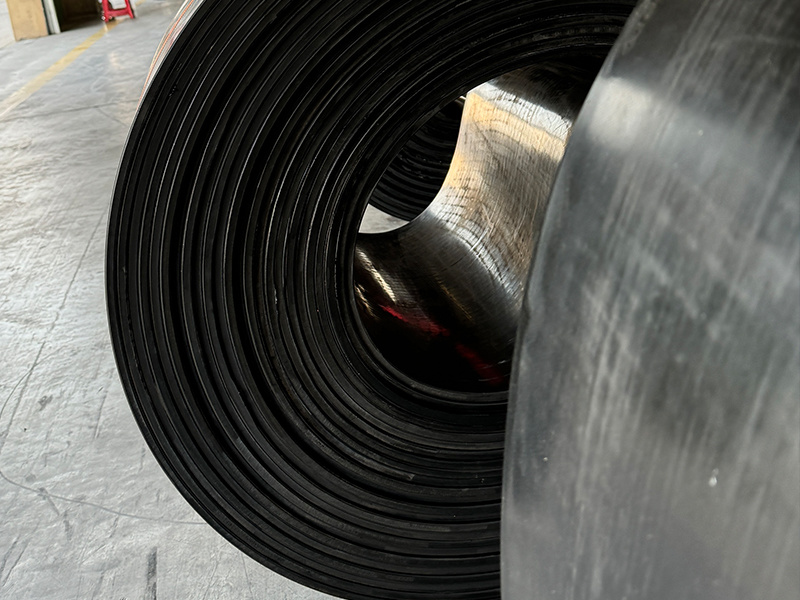
Why do PVC conveyor belts need to be wrapped?
If PVC conveyor belt is to be hemmed, it usually needs 2 cloth and 2 glue or more to be suitable for hemming. First, separate the cloth surface from the glue surface, and then wrap the edge with the glue surface on the surface, so that the hemming is completed. And the use of hot melt process, the edge of the bag and the conveyor belt as a whole.