Understanding Polyester Conveyor Belts: Essential Insights for the Manufacturing and Construction Machinery Industry
2026-03-30


Polyester conveyor belts have gained prominence in the manufacturing and construction machinery industries, particularly in earth-moving applications. These belts are engineered with high tensile strength and durability, making them ideal for transporting heavy materials in challenging environments. Understanding their properties and applications can significantly enhance operational efficiency an
Polyester conveyor belts have gained prominence in the manufacturing and construction machinery industries, particularly in earth-moving applications. These belts are engineered with high tensile strength and durability, making them ideal for transporting heavy materials in challenging environments. Understanding their properties and applications can significantly enhance operational efficiency and productivity.
One of the primary benefits of polyester conveyor belts is their lightweight nature. This feature allows for easy installation and reduces the overall load on machinery, facilitating smoother operations. Furthermore, polyester is known for its resistance to stretching and shrinking, ensuring that these belts maintain their shape and integrity under various conditions. This stability is crucial for maintaining consistent performance in operations where precision is essential.
Polyester conveyor belts also exhibit a high degree of resistance to wear and tear, which is vital in environments where abrasive materials are commonly transported. The ability to withstand friction and impacts helps prolong the lifespan of the belts, minimizing the need for frequent replacements and maintenance. Additionally, these belts are often designed to resist moisture and chemical exposure, making them suitable for diverse applications in the construction sector.
When considering the use of polyester conveyor belts, it is essential to focus on installation and maintenance best practices. Proper alignment and tensioning during installation can prevent premature wear and enhance performance. Regular inspections should be conducted to identify any signs of damage or wear, allowing for timely interventions that can prevent costly downtimes.
Another notable advantage of polyester conveyor belts is their compatibility with various types of conveyor systems. Whether used in fixed or mobile applications, these belts can be customized to fit different configurations and requirements. This versatility is particularly beneficial in the manufacturing and construction sectors, where operations often vary in scale and scope.
Moreover, the environmental aspect of polyester conveyor belts cannot be overlooked. As industries increasingly prioritize sustainability, polyester belts offer a more eco-friendly option compared to traditional materials. They can often be recycled at the end of their lifecycle, contributing to a more sustainable operational model.
In conclusion, polyester conveyor belts are a valuable asset for the manufacturing and construction machinery industries, particularly in earth-moving applications. Their lightweight nature, durability, and resistance to wear make them ideal for transporting heavy materials efficiently. By adopting proper installation and maintenance practices, operators can maximize the benefits of these belts, ensuring smooth and reliable operations in their processes. Understanding these facets will help businesses enhance their productivity while maintaining a focus on longevity and sustainability.
Keywords:
Latest News
Why do PVC conveyor belts need to be wrapped?
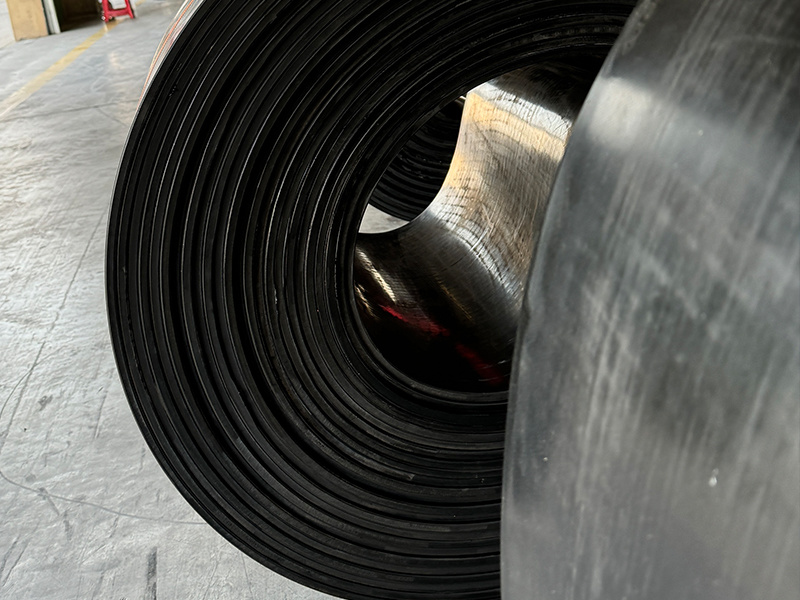
If PVC conveyor belt is to be hemmed, it usually needs 2 cloth and 2 glue or more to be suitable for hemming. First, separate the cloth surface from the glue surface, and then wrap the edge with the glue surface on the surface, so that the hemming is completed. And the use of hot melt process, the edge of the bag and the conveyor belt as a whole.