Maximize Your Production: The Role of Permanent Magnetic Separators in Manufacturing Machinery
2026-04-08


Maximize Your Production: The Role of Permanent Magnetic Separators in Manufacturing Machinery
Table of Contents
1. Introduction to Permanent Magnetic Separators
2. What Are Permanent Magnetic Separators?
3. How Do Permanent Magnetic Separators Work?
3.1. Creation of Magnetic Fields
3.2. The Separation Process Explained
4. Benefits of Usin
Maximize Your Production: The Role of Permanent Magnetic Separators in Manufacturing Machinery
Table of Contents
- 1. Introduction to Permanent Magnetic Separators
- 2. What Are Permanent Magnetic Separators?
- 3. How Do Permanent Magnetic Separators Work?
- 4. Benefits of Using Permanent Magnetic Separators
- 5. Applications in Manufacturing Industries
- 6. Choosing the Right Permanent Magnetic Separator
- 7. Maintenance and Care for Optimal Performance
- 8. The Future of Permanent Magnetic Separators in Manufacturing
- 9. FAQs about Permanent Magnetic Separators
- 10. Conclusion
1. Introduction to Permanent Magnetic Separators
In the fast-paced world of manufacturing, efficiency and productivity are paramount. One tool that has gained recognition for its ability to significantly enhance production is the **permanent magnetic separator**. These devices are essential for a variety of industries, including construction and earth-moving machinery, where the separation of ferrous contaminants from non-ferrous materials is critical for operational efficiency. This article delves into the specifics of **permanent magnetic separators**, examining their mechanics, benefits, and real-world applications.
2. What Are Permanent Magnetic Separators?
Permanent magnetic separators are sophisticated devices designed to separate ferrous materials from non-ferrous materials in various industrial applications. Unlike electromagnets that require electrical power to operate, permanent magnetic separators utilize permanent magnets to generate a magnetic field continuously. This feature eliminates the need for a power source, making them both versatile and energy-efficient.
3. How Do Permanent Magnetic Separators Work?
Understanding the mechanics behind permanent magnetic separators is crucial to appreciating their significance in manufacturing.
3.1. Creation of Magnetic Fields
Permanent magnets are made from materials with high magnetic permeability, such as neodymium or ferrite. These materials are aligned during the manufacturing process, creating a strong and stable magnetic field. This field attracts ferrous materials while allowing non-ferrous materials to pass through unimpeded, effectively separating contaminants from the primary material stream.
3.2. The Separation Process Explained
The separation process begins when the material stream enters the device. As the material passes over the magnetic surface, ferrous contaminants are drawn toward the magnet, allowing clean material to continue through the system. The design of the separator allows for easy removal of the separated contaminants, thus streamlining the manufacturing process.
4. Benefits of Using Permanent Magnetic Separators
Permanent magnetic separators offer numerous advantages, ensuring that manufacturers gain a competitive edge in their operations.
4.1. Enhanced Productivity
By efficiently removing ferrous contaminants from materials, permanent magnetic separators prevent equipment wear and tear, thereby reducing downtime and maintenance costs. This enhancement in productivity can have a profound impact on overall manufacturing output.
4.2. Cost-Effectiveness
The initial investment in permanent magnetic separators is often offset by the long-term savings they provide. Their low energy consumption and minimal maintenance needs contribute to a lower total cost of ownership, making them an attractive option for manufacturers.
4.3. Positive Environmental Impact
Using permanent magnetic separators can lead to reduced waste and improved recycling efforts. By effectively separating ferrous materials, manufacturers can ensure that these materials are recycled appropriately, contributing to a more sustainable manufacturing process.
5. Applications in Manufacturing Industries
Permanent magnetic separators find applications across a wide range of industries, including:
- **Construction and Earth-Moving Machinery**: Ensuring metal contaminants do not compromise the integrity of machinery.
- **Food and Beverage Industry**: Preventing metal contaminants from entering food products, thereby maintaining safety and quality.
- **Mining and Mineral Processing**: Enhancing the purity of mined materials by removing unwanted ferrous metals.
6. Choosing the Right Permanent Magnetic Separator
Selecting the appropriate permanent magnetic separator for your application involves considering several factors:
- **Material Type**: Understanding the materials being processed is crucial to choosing the right separator.
- **Magnetic Strength**: The strength of the magnetic field required will depend on the ferrous contaminants present in the material stream.
- **Installation Environment**: The physical space and conditions where the separator will be installed can influence the choice of equipment.
7. Maintenance and Care for Optimal Performance
To ensure that permanent magnetic separators operate at peak efficiency, regular maintenance is essential:
- **Routine Inspections**: Regular checks for wear and tear can help identify potential issues before they become critical.
- **Cleaning**: Removing accumulated contaminants ensures that the separator remains effective in its role.
- **Calibration**: Periodic calibration of the magnetic field strength may be necessary to maintain optimal performance.
8. The Future of Permanent Magnetic Separators in Manufacturing
As manufacturing technology evolves, so too will the capabilities of permanent magnetic separators. Advances in materials science may lead to even stronger magnets, improving efficiency further. Additionally, integrating smart technologies could enhance monitoring and maintenance, ensuring these separators remain indispensable in modern manufacturing.
9. FAQs about Permanent Magnetic Separators
1. What types of materials can permanent magnetic separators handle?
Permanent magnetic separators effectively separate ferrous materials from non-ferrous materials, making them suitable for a variety of applications.
2. How do I know which magnetic separator is right for my needs?
Choosing the right separator depends on factors including the type of materials being processed, the size of contaminants, and the required magnetic strength.
3. Are permanent magnetic separators energy-efficient?
Yes, they are energy-efficient as they do not require electrical power to generate a magnetic field.
4. What maintenance is required for permanent magnetic separators?
Regular inspections, cleaning, and occasional recalibration are essential for optimal performance.
5. Can permanent magnetic separators be used in food processing?
Absolutely. They are crucial in the food and beverage industry to ensure safety and quality by preventing metal contamination.
10. Conclusion
In summary, permanent magnetic separators play a pivotal role in maximizing production efficiency across various manufacturing sectors. Their ability to effectively separate ferrous contaminants from materials not only enhances productivity and reduces costs but also promotes environmental sustainability. As technology continues to advance, the future of permanent magnetic separators looks promising, paving the way for improved manufacturing processes and a greener planet. Investing in these separators is not just a step toward operational excellence but a commitment to quality, safety, and sustainability in manufacturing.
Keywords:
Latest News
Why do PVC conveyor belts need to be wrapped?
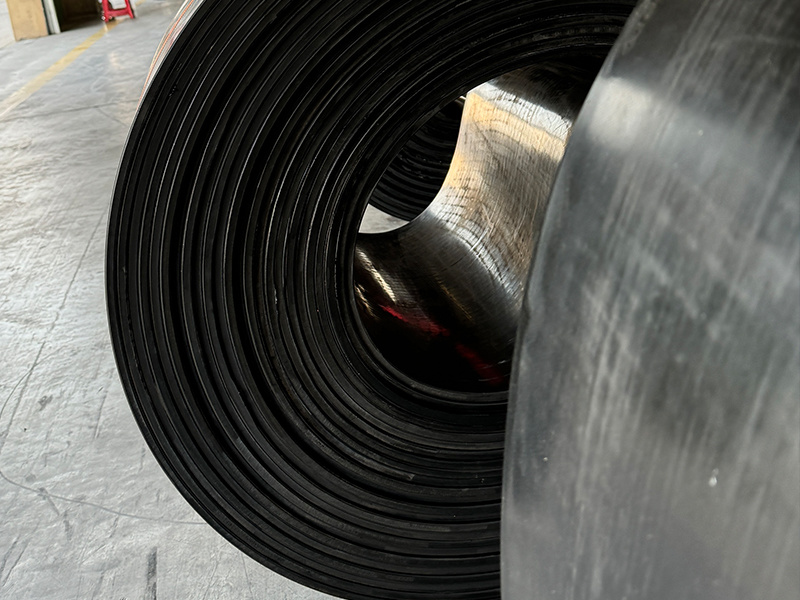
If PVC conveyor belt is to be hemmed, it usually needs 2 cloth and 2 glue or more to be suitable for hemming. First, separate the cloth surface from the glue surface, and then wrap the edge with the glue surface on the surface, so that the hemming is completed. And the use of hot melt process, the edge of the bag and the conveyor belt as a whole.