The Versatility and Benefits of Nylon Conveyor Belts in Earthmoving Machinery
2026-04-11


Nylon conveyor belts are widely recognized for their exceptional durability and flexibility, making them ideal for various manufacturing and processing applications, especially in the earthmoving machinery sector. These belts are made from synthetic nylon fibers, which provide high tensile strength and resilience against wear and tear. This quality is crucial in environments where heavy loads and
Nylon conveyor belts are widely recognized for their exceptional durability and flexibility, making them ideal for various manufacturing and processing applications, especially in the earthmoving machinery sector. These belts are made from synthetic nylon fibers, which provide high tensile strength and resilience against wear and tear. This quality is crucial in environments where heavy loads and abrasive materials are common, as they ensure the continuous and efficient transport of materials.
One of the key advantages of nylon conveyor belts is their lightweight nature. Unlike traditional rubber belts, nylon belts are easier to handle and install, reducing downtime during maintenance and replacement. Their lightweight design also contributes to lower energy consumption in machinery, as less power is required to operate the conveyor system. This efficiency is especially important in large-scale earthmoving operations, where every bit of energy savings can significantly impact overall productivity.
Moreover, nylon conveyor belts exhibit excellent resistance to moisture, chemicals, and UV exposure. This resistance extends their lifespan and maintains operational efficiency in various environmental conditions. For manufacturers involved in the processing of wet or corrosive materials, nylon belts present a reliable solution that minimizes the risk of degradation over time. Their ability to function effectively in harsh conditions makes them a popular choice for construction sites and other demanding applications.
In addition to their mechanical properties, nylon conveyor belts offer versatility in design. They can be produced in a variety of widths, lengths, and surface textures to suit specific operational requirements. This customization ensures that businesses can find the perfect belt for their machinery, optimizing performance and reducing material handling issues. Furthermore, the integration of features such as cleats, sidewalls, and guides can enhance the belt's functionality, enabling it to handle a diverse range of materials and load types.
Another significant benefit of nylon conveyor belts is their low maintenance requirement. The inherent properties of nylon reduce the likelihood of stretching or sagging, which can lead to misalignment and increased wear. Regular inspections and minor adjustments are usually sufficient to keep the conveyor system running smoothly, allowing operators to focus on other aspects of their operations.
In summary, nylon conveyor belts play a pivotal role in the efficiency and effectiveness of earthmoving machinery. Their durability, lightweight design, resistance to adverse conditions, and customization options make them a practical choice for manufacturers seeking reliable and high-performing material handling solutions. By investing in nylon conveyor belts, businesses can enhance their operational efficiency and maintain a competitive edge in the manufacturing and engineering sectors.
Keywords:
Latest News
Why do PVC conveyor belts need to be wrapped?
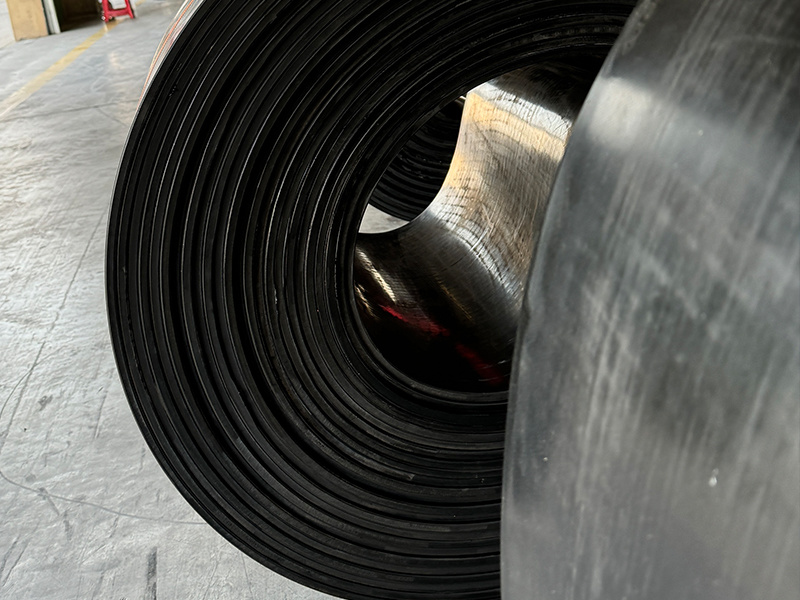
If PVC conveyor belt is to be hemmed, it usually needs 2 cloth and 2 glue or more to be suitable for hemming. First, separate the cloth surface from the glue surface, and then wrap the edge with the glue surface on the surface, so that the hemming is completed. And the use of hot melt process, the edge of the bag and the conveyor belt as a whole.