How Polyester Conveyor Belts Enhance Durability in Earth Moving Equipment
2026-04-14


How Polyester Conveyor Belts Enhance Durability in Earth Moving Equipment
Introduction to Polyester Conveyor Belts in Earth Moving Equipment
In the realm of manufacturing and construction, **earth moving equipment** plays a pivotal role in enabling large-scale projects. The efficiency and effectiveness of this equipment largely depend on the components utilized. One such crucial component is the
How Polyester Conveyor Belts Enhance Durability in Earth Moving Equipment
Introduction to Polyester Conveyor Belts in Earth Moving Equipment
In the realm of manufacturing and construction, **earth moving equipment** plays a pivotal role in enabling large-scale projects. The efficiency and effectiveness of this equipment largely depend on the components utilized. One such crucial component is the **conveyor belt**. Among various materials, **polyester conveyor belts** have emerged as a superior choice, significantly enhancing the durability and lifespan of earth moving machinery.
In this article, we will explore the multifaceted benefits of polyester conveyor belts, their applications in earth moving equipment, and how they contribute to overall operational efficiency.
The Importance of Durability in Earth Moving Equipment
Durability is not just a desirable trait in earth moving equipment; it is essential. Machinery involved in heavy-duty tasks, such as excavation, grading, and transportation of materials, experiences immense stress and strain. The environmental factors, including moisture, temperature fluctuations, and abrasive materials, further exacerbate wear and tear.
Conveyor belts are a critical element that directly influences the operational efficiency and longevity of this equipment. As such, selecting the right material for conveyor belts is paramount. Polyester conveyor belts stand out due to their excellent mechanical properties and resistance to wear.
Understanding Polyester as a Material
Polyester is a synthetic polymer known for its robustness and versatility. When used in manufacturing conveyor belts, polyester fibers enhance the belt’s tensile strength, elasticity, and resistance to various environmental factors. This makes polyester conveyor belts particularly suitable for earth moving applications where durability and reliability are non-negotiable.
Key Properties of Polyester Conveyor Belts
1. **High Tensile Strength**: Polyester fibers have a high tensile strength-to-weight ratio, making them ideal for heavy-duty applications.
2. **Low Stretch and Dimensional Stability**: Polyester conveyor belts maintain their shape and size under load, ensuring consistent performance over time.
3. **Chemical Resistance**: Polyester is resistant to a variety of chemicals, including oils and solvents, which are often present in construction sites.
4. **Temperature Tolerance**: These belts can withstand a wide range of temperatures, making them suitable for diverse working conditions.
5. **Lightweight Nature**: Compared to other materials, polyester is lighter, which reduces the overall weight of the equipment and improves fuel efficiency.
The Role of Polyester Conveyor Belts in Earth Moving Equipment
Polyester conveyor belts are employed in various earth moving applications, including:
1. Excavation Operations
In excavation operations, conveyor belts transport excavated materials efficiently. The strength and durability of polyester belts enable them to handle heavy loads without succumbing to wear, ensuring uninterrupted operation.
2. Grading and Leveling
During grading processes, the ability to move large amounts of soil and debris is crucial. Polyester conveyor belts provide the necessary strength to manage this workload while maintaining structural integrity.
3. Material Transportation
In the transportation of raw materials, polyester conveyor belts ensure smooth and efficient transfer from one point to another. Their resistance to wear and tear minimizes maintenance costs and downtime.
4. Aggregate Handling
When handling aggregates, the durability of polyester belts becomes essential. They can withstand the abrasive nature of materials like gravel and sand, providing longevity and reliability.
Advantages of Using Polyester Conveyor Belts
The benefits of using polyester conveyor belts in earth moving equipment are extensive. Below are some significant advantages:
1. Cost-Effective Solution
While the initial investment in polyester conveyor belts may be higher than other materials, their durability leads to lower maintenance and replacement costs over time, making them a cost-effective solution.
2. Enhanced Operational Efficiency
With their high load capacity and resistance to stretching, polyester belts contribute to smoother operation, reducing the chances of jams and downtime.
3. Environmental Resistance
Polyester conveyor belts are designed to withstand harsh environmental conditions, including moisture, heat, and chemical exposure, ensuring they remain functional even in challenging situations.
4. Versatility in Application
These belts can be customized for various applications, including different belt widths, thicknesses, and surface patterns, making them versatile for different earth moving tasks.
5. Easy Maintenance
Maintenance of polyester conveyor belts is relatively straightforward. Regular inspections and cleaning can extend their lifespan significantly, contributing to overall equipment reliability.
Best Practices for Maintaining Polyester Conveyor Belts
To maximize the durability and efficiency of polyester conveyor belts, implementing best practices for maintenance is crucial. Here are some effective strategies:
1. Regular Inspections
Conducting routine inspections helps identify wear and tear early on. Check for any signs of damage, fraying, or misalignment that could affect performance.
2. Proper Cleaning Techniques
Keeping the belts clean from dirt, debris, and chemical residues will prevent premature wear. Use appropriate cleaning solutions that do not damage the polyester material.
3. Correct Tensioning
Ensuring that the conveyor belts are properly tensioned is vital. Over-tightening can lead to excess wear, while under-tightening may cause slippage.
4. Environmental Considerations
When operating in extreme weather conditions, monitor the performance of the belts closely. Adjust operational parameters if necessary to prevent damage.
5. Lubrication of Components
Ensure that all moving parts associated with the conveyor system are well-lubricated to reduce friction and wear on both the belts and the machinery.
Real-World Applications of Polyester Conveyor Belts in Earth Moving
Polyester conveyor belts are widely used across various industries, demonstrating their effectiveness in real-world applications. Below are a few notable examples:
1. Mining Operations
In mining, polyester conveyor belts are critical for transporting ore and minerals from extraction sites to processing areas. Their durability ensures continuous operation even under heavy loads.
2. Quarrying
Quarrying operations rely on polyester belts for the efficient movement of stone, gravel, and other aggregates. Their resistance to wear makes them ideal for these abrasive environments.
3. Construction Sites
Many construction projects use polyester conveyor belts to transport materials such as concrete, soil, and sand, enhancing overall project efficiency and reducing labor costs.
4. Recycling Facilities
In recycling operations, polyester conveyor belts help in sorting and transporting materials like plastics and metals, contributing to more efficient recycling processes.
Conclusion
In conclusion, **polyester conveyor belts significantly enhance the durability and efficiency of earth moving equipment**. Their exceptional properties, including high tensile strength, low stretch, and resistance to environmental factors, make them an invaluable asset in various applications. By implementing effective maintenance practices, operators can maximize the lifespan and performance of these belts, ultimately leading to greater operational efficiency and cost savings. The integration of polyester conveyor belts into earth moving machinery not only improves productivity but also ensures that machinery can withstand the rigors of demanding environments. As industries continue to evolve, the role of polyester conveyor belts will undoubtedly grow, solidifying their place as a critical component in the manufacturing and construction sectors.
Keywords:
Latest News
Why do PVC conveyor belts need to be wrapped?
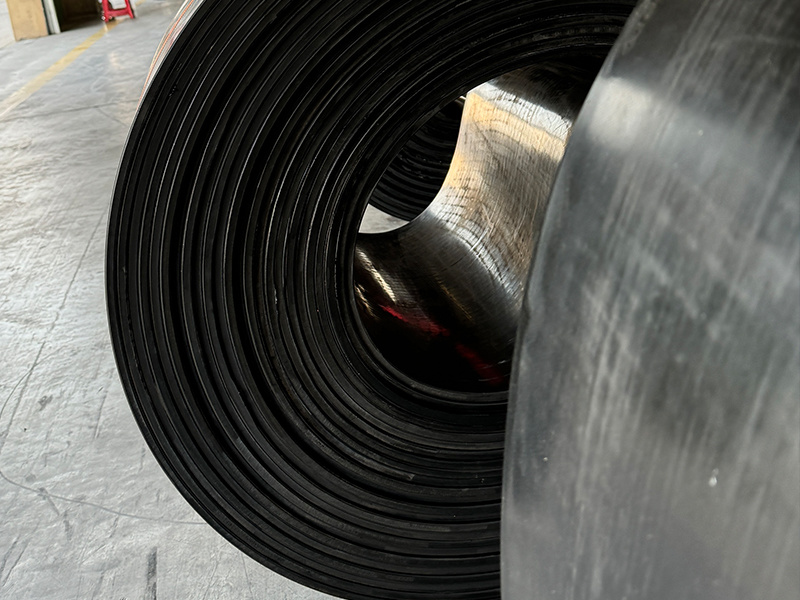
If PVC conveyor belt is to be hemmed, it usually needs 2 cloth and 2 glue or more to be suitable for hemming. First, separate the cloth surface from the glue surface, and then wrap the edge with the glue surface on the surface, so that the hemming is completed. And the use of hot melt process, the edge of the bag and the conveyor belt as a whole.