Why Steeply Inclined Conveyor Belts Are Essential for Efficient Excavation
2026-05-20


Why Steeply Inclined Conveyor Belts Are Essential for Efficient Excavation
Table of Contents
1. Introduction to Steeply Inclined Conveyor Belts
2. Importance of Efficient Excavation in Construction
3. Mechanics of Steeply Inclined Conveyor Belts
4. Advantages of Using Steeply Inclined Conveyor Belts
4.1 Space-Saving Solutions
4.2 Increased Producti
Why Steeply Inclined Conveyor Belts Are Essential for Efficient Excavation
Table of Contents
- 1. Introduction to Steeply Inclined Conveyor Belts
- 2. Importance of Efficient Excavation in Construction
- 3. Mechanics of Steeply Inclined Conveyor Belts
- 4. Advantages of Using Steeply Inclined Conveyor Belts
- 5. Applications in Excavation and Construction
- 6. Choosing the Right Conveyor Belt for Your Project
- 7. Maintenance Tips for Ensuring Longevity
- 8. Case Studies of Successful Implementation
- 9. Frequently Asked Questions
- 10. Conclusion
1. Introduction to Steeply Inclined Conveyor Belts
Steeply inclined conveyor belts are specialized equipment designed to transport materials at steep angles, often exceeding 30 degrees. Their unique construction allows them to navigate challenging terrain and effectively transport bulk materials from one point to another during excavation activities. This technology is vital in various industries, particularly in construction and mining, where the efficient movement of materials can significantly impact project timelines and costs.
2. Importance of Efficient Excavation in Construction
Efficient excavation is a cornerstone of successful construction projects. It lays the groundwork for subsequent phases, including foundation laying and structural development. Inaccurate or slow excavation can lead to project delays, increased labor costs, and compromised safety. Utilizing advanced technologies, such as steeply inclined conveyor belts, can streamline excavation processes, ensuring that materials are moved quickly and safely.
3. Mechanics of Steeply Inclined Conveyor Belts
Steeply inclined conveyor belts work by employing a series of mechanisms that allow materials to be transported at angles that are typically unmanageable by standard conveyor systems.
3.1 Drive Mechanism
The drive system is integral to the operation of inclined conveyors. It often includes a powerful motor that provides the necessary torque to keep the belt moving, even when loaded with heavy materials.
3.2 Belt Design
The belt itself is designed with high-friction surfaces that help maintain grip on the materials being transported. This is crucial as it prevents slippage and ensures that materials can be moved reliably, even on steep inclines.
3.3 Support Structure
The support structure of steeply inclined conveyor belts is built to withstand the stresses of heavy loads and steep angles. Reinforced frames and durable materials ensure stability and longevity.
4. Advantages of Using Steeply Inclined Conveyor Belts
Utilizing steeply inclined conveyor belts comes with several advantages that significantly enhance excavation processes.
4.1 Space-Saving Solutions
One of the most significant benefits of inclined conveyor belts is their space-saving design. Traditional methods of material transport often require large areas for movement and storage. In contrast, inclined conveyors can operate in tighter spaces, making them ideal for urban construction sites where space is at a premium.
4.2 Increased Productivity
Steeply inclined conveyor belts enhance productivity by reducing the time and labor required for material transportation. This efficiency allows for quicker project turnaround, which can lead to cost savings and improved project timelines.
4.3 Enhanced Safety Standards
Safety is paramount in construction, and steeply inclined conveyor belts contribute to a safer work environment. By mechanizing the transport of heavy materials, these systems minimize the risk of injury associated with manual handling, thereby adhering to safety regulations and standards.
5. Applications in Excavation and Construction
Steeply inclined conveyor belts find their applications in various excavation and construction scenarios, showcasing their versatility and effectiveness.
5.1 Mining Operations
In mining, these conveyors are essential for transporting mined materials from deep underground to the surface efficiently. Their ability to handle heavy loads on steep gradients is unmatched.
5.2 Urban Construction Projects
Urban projects often face space constraints, which make steeply inclined conveyors a practical solution for transporting materials like soil and rubble within limited areas.
5.3 Road and Highway Construction
In road construction, these conveyors help in the efficient removal of earth and debris, facilitating quicker site preparation and maintenance.
6. Choosing the Right Conveyor Belt for Your Project
Selecting the appropriate steeply inclined conveyor belt is crucial for optimizing efficiency and safety on your construction site. Consider the following factors:
6.1 Load Capacity
Evaluate the weight and type of materials that need to be transported. Ensure that the conveyor's load capacity meets or exceeds your project's requirements.
6.2 Angle of Incline
Different projects may require different angles of incline. Assess the terrain and choose a conveyor that can handle the necessary incline without compromising performance.
6.3 Durability and Maintenance
Select a conveyor system built from durable materials that can withstand the wear and tear of construction work. Additionally, consider the maintenance requirements to ensure long-term efficiency.
7. Maintenance Tips for Ensuring Longevity
Proper maintenance of steeply inclined conveyor belts is essential for maximizing their lifespan and minimizing downtime.
7.1 Regular Inspections
Conduct routine inspections to identify potential issues such as wear and tear, alignment problems, or lubrication needs.
7.2 Lubrication
Ensure that all moving parts are adequately lubricated to reduce friction and wear, prolonging the belt's life.
7.3 Prompt Repairs
Address any issues promptly to prevent further damage. Keeping spare parts on hand can help reduce downtime during repairs.
8. Case Studies of Successful Implementation
Examining real-world applications of steeply inclined conveyor belts can provide valuable insights into their effectiveness.
8.1 Case Study 1: Urban Construction
A large urban development project utilized steeply inclined conveyor belts to transport soil and debris efficiently, significantly reducing project time and labor costs.
8.2 Case Study 2: Mining Efficiency
A mining operation adopted inclined conveyors to streamline the transportation of ore from underground levels to the surface, resulting in increased productivity and reduced operational costs.
9. Frequently Asked Questions
9.1 What types of materials can be transported using steeply inclined conveyor belts?
Steeply inclined conveyor belts can transport a variety of bulk materials, including soil, gravel, ore, and construction debris.
9.2 How steep can an inclined conveyor belt be?
Most steeply inclined conveyor belts can handle inclines of 30 degrees or more, depending on the belt design and materials being transported.
9.3 What maintenance is required for steeply inclined conveyor belts?
Regular inspections, lubrication, and prompt repairs are essential for maintaining steeply inclined conveyor belts.
9.4 Are steeply inclined conveyor belts safe to use?
Yes, when properly maintained and operated, steeply inclined conveyor belts enhance safety by reducing manual handling of heavy materials.
9.5 How do I choose the right conveyor belt for my excavation project?
Consider factors such as load capacity, angle of incline, durability, and maintenance requirements when selecting a conveyor belt for your project.
10. Conclusion
Steeply inclined conveyor belts are indispensable tools in the excavation and construction industries. Their ability to transport materials efficiently, save space, enhance productivity, and contribute to safety standards makes them an essential investment for construction projects of all sizes. As technology continues to evolve, the effectiveness of these systems will only improve, further solidifying their role in modern construction practices. Embracing this innovation can lead to more successful and streamlined excavation processes, ultimately benefiting project outcomes and timelines.
Keywords:
Latest News
Why do PVC conveyor belts need to be wrapped?
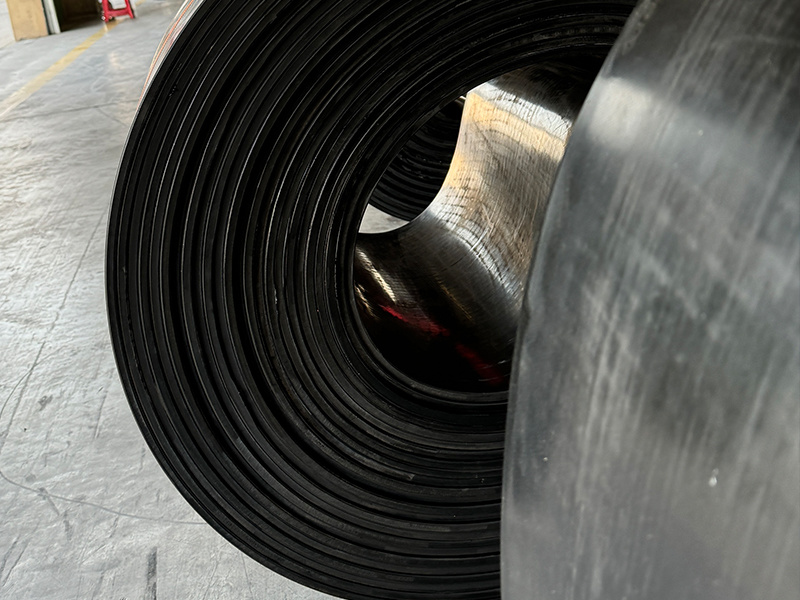
If PVC conveyor belt is to be hemmed, it usually needs 2 cloth and 2 glue or more to be suitable for hemming. First, separate the cloth surface from the glue surface, and then wrap the edge with the glue surface on the surface, so that the hemming is completed. And the use of hot melt process, the edge of the bag and the conveyor belt as a whole.