Maximizing Efficiency with Permanent Magnetic Separators in Construction Machinery
2026-05-23


Permanent magnetic separators play a significant role in the manufacturing and processing machinery industry, especially within construction and earth-moving equipment. These devices are designed to remove ferrous contaminants from materials, ensuring the integrity and quality of the finished product. Understanding how these separators function and their various applications can help companies opt
Permanent magnetic separators play a significant role in the manufacturing and processing machinery industry, especially within construction and earth-moving equipment. These devices are designed to remove ferrous contaminants from materials, ensuring the integrity and quality of the finished product. Understanding how these separators function and their various applications can help companies optimize their operations and enhance equipment performance.
At their core, permanent magnetic separators utilize powerful magnets to attract and hold ferrous materials. This mechanism is crucial for protecting machinery from damage caused by metal contaminants that can lead to increased wear and tear or even catastrophic failures. By integrating these separators into your production line, you can significantly reduce the risk of such issues, thereby enhancing the longevity of your construction machinery.
One of the primary advantages of permanent magnetic separators is that they are energy-efficient and do not require external power sources. This feature not only simplifies installation but also contributes to lower operational costs. They operate seamlessly in various environments, making them suitable for a wide range of applications, including in the processing of aggregates, crushed stone, and other materials commonly used in construction.
Moreover, these separators are designed to handle varying flow rates, which is particularly beneficial in the construction industry where material flows can fluctuate. By effectively removing unwanted metal debris, permanent magnetic separators help ensure that your machinery operates smoothly, thereby improving overall productivity.
The versatility of permanent magnetic separators also allows for their use in different types of equipment, from conveyor systems to crushers. Their ability to work in harsh conditions, including high temperatures and dust-laden environments, makes them ideal for the construction sector where durability is paramount. Additionally, they are low maintenance, as permanent magnets have a long lifespan, further minimizing downtime.
In conclusion, the integration of permanent magnetic separators in construction machinery can lead to substantial benefits, including enhanced equipment protection, reduced maintenance costs, and improved overall efficiency. By understanding their functionality and applications, companies in the manufacturing and processing machinery industry can make informed decisions that positively impact their operations. Implementing these separators not only safeguards machinery but also plays a crucial role in maintaining high-quality production standards essential in today's competitive market.
At their core, permanent magnetic separators utilize powerful magnets to attract and hold ferrous materials. This mechanism is crucial for protecting machinery from damage caused by metal contaminants that can lead to increased wear and tear or even catastrophic failures. By integrating these separators into your production line, you can significantly reduce the risk of such issues, thereby enhancing the longevity of your construction machinery.
One of the primary advantages of permanent magnetic separators is that they are energy-efficient and do not require external power sources. This feature not only simplifies installation but also contributes to lower operational costs. They operate seamlessly in various environments, making them suitable for a wide range of applications, including in the processing of aggregates, crushed stone, and other materials commonly used in construction.
Moreover, these separators are designed to handle varying flow rates, which is particularly beneficial in the construction industry where material flows can fluctuate. By effectively removing unwanted metal debris, permanent magnetic separators help ensure that your machinery operates smoothly, thereby improving overall productivity.
The versatility of permanent magnetic separators also allows for their use in different types of equipment, from conveyor systems to crushers. Their ability to work in harsh conditions, including high temperatures and dust-laden environments, makes them ideal for the construction sector where durability is paramount. Additionally, they are low maintenance, as permanent magnets have a long lifespan, further minimizing downtime.
In conclusion, the integration of permanent magnetic separators in construction machinery can lead to substantial benefits, including enhanced equipment protection, reduced maintenance costs, and improved overall efficiency. By understanding their functionality and applications, companies in the manufacturing and processing machinery industry can make informed decisions that positively impact their operations. Implementing these separators not only safeguards machinery but also plays a crucial role in maintaining high-quality production standards essential in today's competitive market.
Keywords:
Latest News
Why do PVC conveyor belts need to be wrapped?
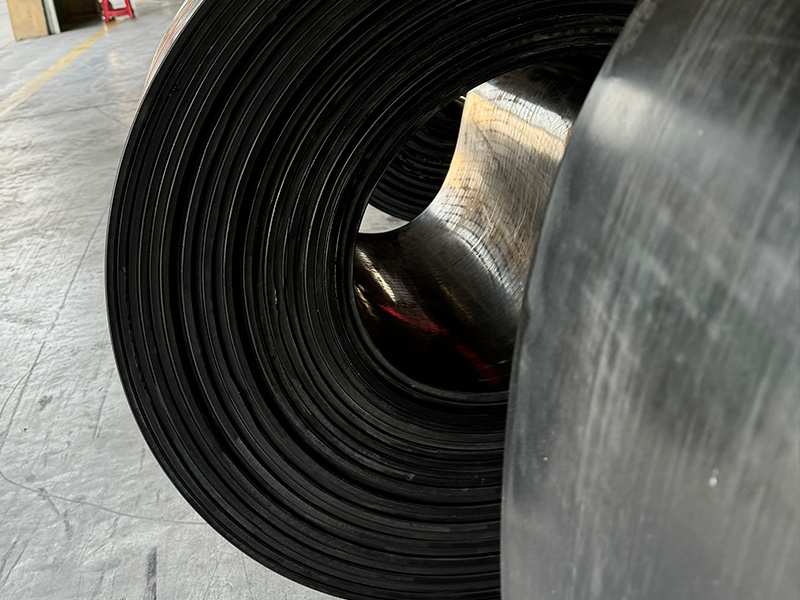
If PVC conveyor belt is to be hemmed, it usually needs 2 cloth and 2 glue or more to be suitable for hemming. First, separate the cloth surface from the glue surface, and then wrap the edge with the glue surface on the surface, so that the hemming is completed. And the use of hot melt process, the edge of the bag and the conveyor belt as a whole.