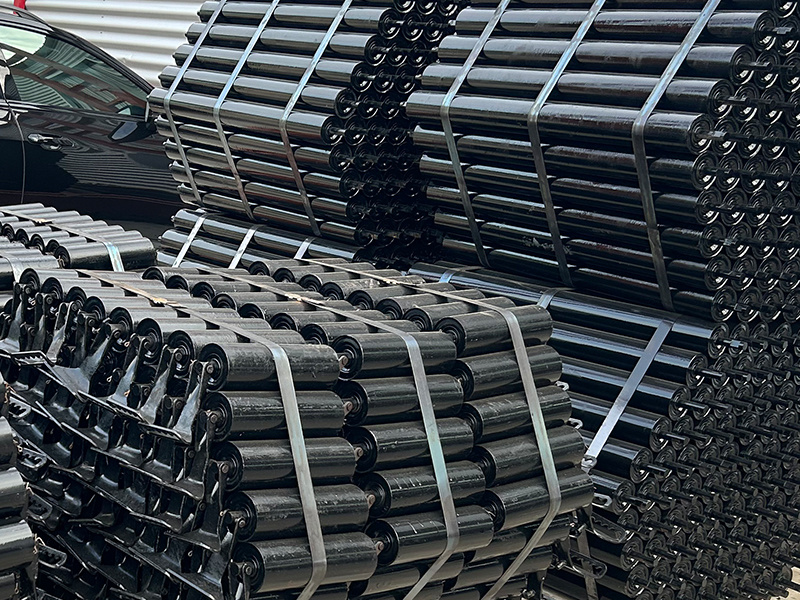
Key Factors Influencing Nylon Conveyor Belt Performance: A Comprehensive Guide
2026-05-26


Key Factors Influencing Nylon Conveyor Belt Performance
Introduction to Nylon Conveyor Belts in Engineering and Construction
Nylon conveyor belts are integral components in various manufacturing and construction processes. Their durability, flexibility, and resistance to wear make them a popular choice in transporting materials, particularly in challenging environments. Understanding the factors t
Key Factors Influencing Nylon Conveyor Belt Performance
Introduction to Nylon Conveyor Belts in Engineering and Construction
Nylon conveyor belts are integral components in various manufacturing and construction processes. Their durability, flexibility, and resistance to wear make them a popular choice in transporting materials, particularly in challenging environments. Understanding the factors that influence their performance is crucial for optimizing their use in engineering and construction machinery. This article delves into the key elements that affect nylon conveyor belt performance, ensuring that you can maximize efficiency and minimize downtime.
Understanding the Composition of Nylon Conveyor Belts
Material Properties of Nylon
Nylon is a synthetic polymer known for its impressive strength-to-weight ratio. This section explores the key properties of nylon that contribute to conveyor belt performance.
- Strength and Durability: Nylon offers high tensile strength, making it resistant to breaking under heavy loads.
- Flexibility: The inherent flexibility of nylon allows for smooth operation around pulleys and other conveyor components.
- Temperature Resistance: Nylon conveyor belts can withstand varying temperatures, which is critical in manufacturing processes that involve heat.
Types of Nylon Used in Conveyor Belts
Different grades of nylon are used in conveyor belt manufacturing, each designed for specific applications. Common types include:
- Nylon 6: Known for its high impact resistance and toughness, ideal for heavy-duty applications.
- Nylon 66: Offers superior strength and heat resistance, making it suitable for high-temperature environments.
Environmental Factors Affecting Conveyor Belt Performance
Nylon conveyor belts operate in a variety of environments, and understanding these conditions is vital for their optimal performance.
Humidity and Moisture Levels
Excessive moisture can compromise the integrity of nylon conveyor belts. High humidity levels can lead to:
- Mold and Mildew Growth: This can weaken the material and reduce its lifespan.
- Slipping: Increased moisture can cause materials to slide, affecting the efficiency of the conveyor system.
Temperature Fluctuations
Temperature plays a significant role in the performance of nylon conveyor belts. Key considerations include:
- Heat Resistance: The ability of nylon to maintain its properties at high temperatures is crucial in many industrial applications.
- Cold Weather Performance: Low temperatures can make nylon brittle, leading to cracks and failures.
Mechanical Factors Impacting Nylon Conveyor Belt Efficiency
Understanding how mechanical elements influence the performance of nylon conveyor belts can lead to improved operation.
Load Capacity and Weight Distribution
The load capacity of a conveyor belt is dictated by various factors:
- Weight Distribution: Uneven weight distribution can cause premature wear and potential belt failure.
- Maximum Load Ratings: Adhering to the manufacturer's specifications for load capacity ensures longevity.
Speed of Operation
The speed at which a conveyor belt operates can influence its performance. Higher speeds often lead to:
- Increased Wear: Faster operation can increase friction, leading to wear and damage.
- Material Buildup: Rapid movement may result in material buildup on the belt, affecting efficiency.
Design Considerations for Optimal Performance
The design of nylon conveyor belts greatly affects their functionality. Several factors should be taken into account:
Belt Thickness and Width
The dimensions of a conveyor belt play a crucial role in its application:
- Thickness: A thicker belt generally offers greater durability but can be less flexible.
- Width: Choosing the correct width prevents material spillage and optimizes load capacity.
Surface Texture and Coating
The surface characteristics of nylon conveyor belts can enhance performance in specific applications:
- Textured Surfaces: Adding texture can improve grip and reduce slippage.
- Coatings: Specialty coatings can enhance resistance to chemicals and abrasives.
Maintenance Practices to Enhance Conveyor Belt Lifespan
Regular maintenance is essential for ensuring the longevity of nylon conveyor belts. Here are some best practices:
Routine Inspections
Conducting routine inspections helps identify wear and tear early. Key focus areas include:
- Checking for Cracks: Regularly inspect belts for signs of cracking, particularly in high-stress areas.
- Monitoring Alignment: Ensure that belts are properly aligned to prevent uneven wear.
Cleaning and Lubrication
Maintaining clean belts is crucial for optimal performance. Dirt and debris can lead to increased wear. Implementing a cleaning routine and using proper lubrication can:
- Reduce Friction: Keeping the belt clean minimizes friction and wear.
- Enhance Performance: Regularly lubricated components ensure smooth operation.
Factors Influencing Cost and Quality of Nylon Conveyor Belts
The quality of nylon conveyor belts directly affects their performance and lifespan. Here are some cost-related factors to consider:
Material Quality
Higher-quality nylon materials often come with a higher price tag but yield better performance. Investing in quality can lead to:
- Reduced Downtime: Quality belts experience fewer failures, leading to less operational interruption.
- Longer Lifespan: Durable materials result in longer-lasting belts, ultimately saving money in replacements.
Supplier Reputation
Choosing a reputable supplier can impact the performance of conveyor belts significantly. Factors to consider include:
- Customer Reviews: Researching supplier reviews helps in identifying reliable manufacturers.
- Warranty and Support: A supplier that offers good warranty options typically stands behind their products.
Innovations and Future Trends in Nylon Conveyor Belt Technology
The conveyor belt industry is continually evolving, with innovations aimed at enhancing nylon belt performance. Some trends to watch include:
Smart Conveyor Systems
Integrating smart technology into conveyor systems allows for real-time monitoring and maintenance alerts. This technology can:
- Improve Efficiency: Smart systems optimize load and speed based on data analytics.
- Reduce Downtime: Predictive maintenance prevents unexpected failures.
Environmentally Friendly Materials
As industries shift toward sustainability, the use of eco-friendly materials in nylon conveyor belts is on the rise. Benefits include:
- Reduced Environmental Impact: Sustainable materials help minimize waste and pollution.
- Marketability: Companies can enhance their brand image by utilizing green products.
Frequently Asked Questions (FAQs)
1. What are the primary advantages of using nylon conveyor belts?
Nylon conveyor belts offer several advantages, including high tensile strength, flexibility, and resistance to wear and temperature changes, making them ideal for various industrial applications.
2. How often should I perform maintenance on my nylon conveyor belts?
Routine maintenance should be conducted regularly, with inspections ideally taking place monthly. This helps identify issues before they lead to significant failures.
3. Can nylon conveyor belts be used in extreme temperature environments?
Yes, nylon conveyor belts can withstand a range of temperatures, but it’s essential to select the appropriate grade of nylon based on the specific temperature requirements of your application.
4. What factors contribute to the lifespan of nylon conveyor belts?
Factors such as material quality, load capacity, maintenance practices, and environmental conditions significantly influence the lifespan of nylon conveyor belts.
5. Are there specific industries that benefit most from nylon conveyor belts?
Nylon conveyor belts are extensively used in manufacturing, construction, mining, and food processing industries, where material transport is a critical aspect of operations.
Conclusion
Understanding the key factors influencing the performance of nylon conveyor belts is essential for optimizing their use in engineering and construction machinery. By considering material properties, environmental conditions, mechanical factors, design considerations, and maintenance practices, organizations can enhance operational efficiency and extend the lifespan of their conveyor systems. Adopting innovative technologies and focusing on quality will ensure that your conveyor belts meet the demands of modern industrial applications, ultimately leading to improved productivity and reduced costs.
Keywords:
Latest News
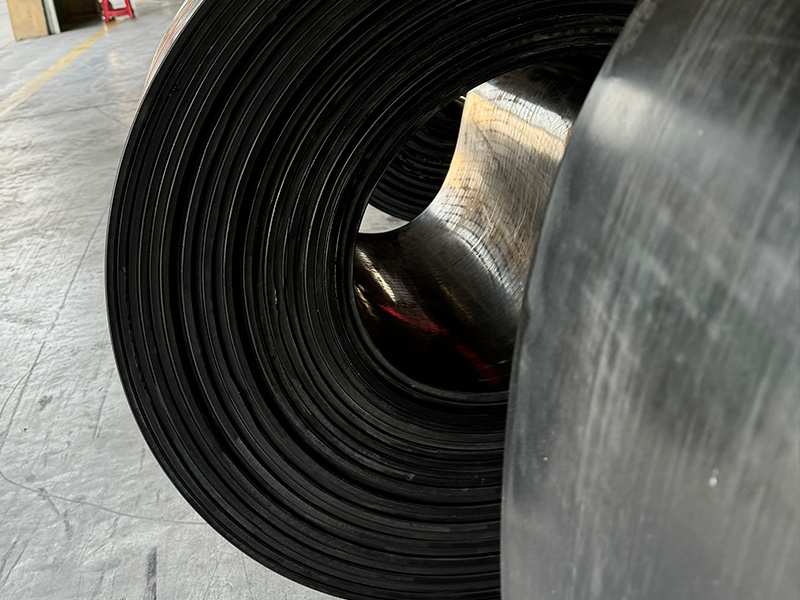
Why do PVC conveyor belts need to be wrapped?
If PVC conveyor belt is to be hemmed, it usually needs 2 cloth and 2 glue or more to be suitable for hemming. First, separate the cloth surface from the glue surface, and then wrap the edge with the glue surface on the surface, so that the hemming is completed. And the use of hot melt process, the edge of the bag and the conveyor belt as a whole.