Steeply Inclined Conveyor Belts: A Game Changer in Mining and Construction Sectors
2026-06-19


Steeply Inclined Conveyor Belts: A Game Changer in Mining and Construction Sectors
Table of Contents
Introduction to Steeply Inclined Conveyor Belts
What Are Steeply Inclined Conveyor Belts?
Benefits of Steeply Inclined Conveyor Belts
Applications in the Mining Sector
Applications in the Construction Sector
Key Design Features of Steeply Inclined Conveyor Belts
Mainten
Steeply Inclined Conveyor Belts: A Game Changer in Mining and Construction Sectors
Table of Contents
- Introduction to Steeply Inclined Conveyor Belts
- What Are Steeply Inclined Conveyor Belts?
- Benefits of Steeply Inclined Conveyor Belts
- Applications in the Mining Sector
- Applications in the Construction Sector
- Key Design Features of Steeply Inclined Conveyor Belts
- Maintenance and Safety Considerations
- Future Trends in Conveyor Belt Technology
- Frequently Asked Questions
- Conclusion
Introduction to Steeply Inclined Conveyor Belts
In the fast-evolving world of mining and construction, efficiency and adaptability are paramount. **Steeply inclined conveyor belts** are emerging as a vital asset, enabling the movement of materials across challenging terrains. These innovative systems are designed to handle steep gradients, providing a solution for transporting bulk materials vertically and horizontally with minimal space and time.
What Are Steeply Inclined Conveyor Belts?
Steeply inclined conveyor belts are specialized systems engineered to transport materials at steep angles, typically ranging from 30 to 90 degrees. Unlike conventional conveyor belts, which are restricted to flatter terrains, these belts utilize unique designs and features that allow them to maintain stability and efficiency while navigating sharp inclines.
The construction of these belts often includes a robust **carrying system** and **cleated surfaces** that prevent material slippage, ensuring that heavy loads can be transported seamlessly. This technology is particularly beneficial in industries where space is limited and vertical transportation of materials is essential.
Benefits of Steeply Inclined Conveyor Belts
The incorporation of steeply inclined conveyor belts in mining and construction offers numerous advantages:
1. Enhanced Space Utilization
Steeply inclined belts maximize vertical space, allowing operations to function efficiently in confined areas. This is particularly crucial in urban construction sites or mountainous mining locations.
2. Increased Efficiency
The ability to transport materials quickly and directly from one elevation to another reduces the need for additional handling and transport systems. This streamlining of processes leads to faster project timelines and reduced labor costs.
3. Reduced Material Loss
With features designed to securely hold materials in place, these conveyor systems minimize the risk of spillage and waste. This is especially important in mining, where material recovery is crucial to profitability.
4. Improved Safety
By automating the transport of heavy materials, steeply inclined conveyor belts reduce the physical strain on workers and the associated risks of manual handling. Furthermore, advanced materials and design features often enhance the safety of these systems.
Applications in the Mining Sector
In the mining industry, steeply inclined conveyor belts serve several critical functions:
1. Material Transport
They are used for transporting ore, coal, and other bulk materials from underground mines to the surface. This vertical movement is efficient, reducing the time and resources needed to bring materials to processing facilities.
2. Waste Removal
Steeply inclined belts are also employed to remove waste materials, ensuring that mining sites remain operational without unnecessary delays due to waste management.
3. Stockpiling
These conveyor systems facilitate the stockpiling of materials at different elevations, allowing for organized and efficient storage solutions tailored to operational needs.
Applications in the Construction Sector
In construction, the applications of steeply inclined conveyor belts are equally diverse:
1. Transporting Heavy Materials
From concrete to aggregates, these belts efficiently carry heavy materials up to elevated construction sites, ensuring a steady supply without the need for cranes or lifts.
2. Earthmoving Projects
In projects involving significant earthmoving, steeply inclined conveyors are crucial for moving excavated materials rapidly and efficiently to new locations.
3. Recycling and Waste Management
Construction sites often generate waste materials that require timely transport for recycling or disposal. These conveyor systems enable quick and effective handling of such materials.
Key Design Features of Steeply Inclined Conveyor Belts
The effectiveness of steeply inclined conveyor belts can be attributed to several key design features:
1. Cleated Belting
The cleated surface of these belts provides traction and prevents material slippage during transport. This feature is essential for maintaining load stability on steep inclines.
2. Adjustable Angles
Many systems offer adjustable incline angles, allowing operators to customize the setup based on specific project requirements and terrain conditions.
3. Robust Framework
The structural integrity of the conveyor system is enhanced through the use of high-strength materials and engineering practices that ensure durability under heavy loads.
4. Advanced Control Systems
Modern steeply inclined conveyor belts often come equipped with automated control systems that allow for precise operation, monitoring, and maintenance, ensuring optimal performance.
Maintenance and Safety Considerations
While steeply inclined conveyor belts offer significant advantages, proper maintenance and safety protocols are critical:
1. Regular Inspections
To ensure optimal performance, routine inspections of the belts, pulleys, and drives should be conducted. This helps in identifying wear and tear issues before they escalate.
2. Safety Training
Operators should receive comprehensive training on the safe operation of steeply inclined conveyor systems. Understanding emergency protocols and proper handling procedures is vital for workplace safety.
3. Lubrication and Cleaning
Regular lubrication of moving parts and cleaning of the belt surfaces prevent clogs and maintain smooth operation, thus enhancing the lifespan of the equipment.
Future Trends in Conveyor Belt Technology
As technologies continue to advance, several trends are shaping the future of steeply inclined conveyor belts:
1. Automation and AI Integration
The integration of artificial intelligence and automation in conveyor systems is expected to enhance efficiency, predictive maintenance, and operational control.
2. Smart Sensors
Smart sensors that monitor load weight, temperature, and wear will provide real-time data, allowing for proactive maintenance and improved safety measures.
3. Eco-Friendly Materials
As industries move towards sustainability, the development of conveyor belts made from recycled or eco-friendly materials is gaining traction.
Frequently Asked Questions
1. What materials can be transported using steeply inclined conveyor belts?
Steeply inclined conveyor belts can transport a variety of materials, including aggregates, ores, coal, and construction debris.
2. How steep can the incline be for these conveyor belts?
These conveyor belts can handle inclines ranging from 30 to 90 degrees, depending on the specific design and application.
3. Are steeply inclined conveyor belts safe to operate?
Yes, when properly designed and maintained, steeply inclined conveyor belts can be operated safely, with numerous safety features in place.
4. What are the maintenance requirements for these systems?
Regular inspections, lubrication, cleaning, and operator training are essential for maintaining steeply inclined conveyor belts.
5. How do steeply inclined conveyor belts improve efficiency in mining and construction?
By reducing the need for additional transport systems and handling, these belts streamline material movement, thus enhancing overall operational efficiency.
Conclusion
Steeply inclined conveyor belts represent a transformative advancement in the mining and construction sectors. Their capacity to transport materials efficiently across challenging elevations not only maximizes space but also enhances operational productivity and safety. As technology continues to evolve, these conveyor systems will likely become even more sophisticated, paving the way for a more efficient and sustainable future in both industries. Embracing this technology is not just a matter of keeping up with the competition; it is a strategic move towards optimal performance and innovation.
Keywords:
Previous
Latest News
Why do PVC conveyor belts need to be wrapped?
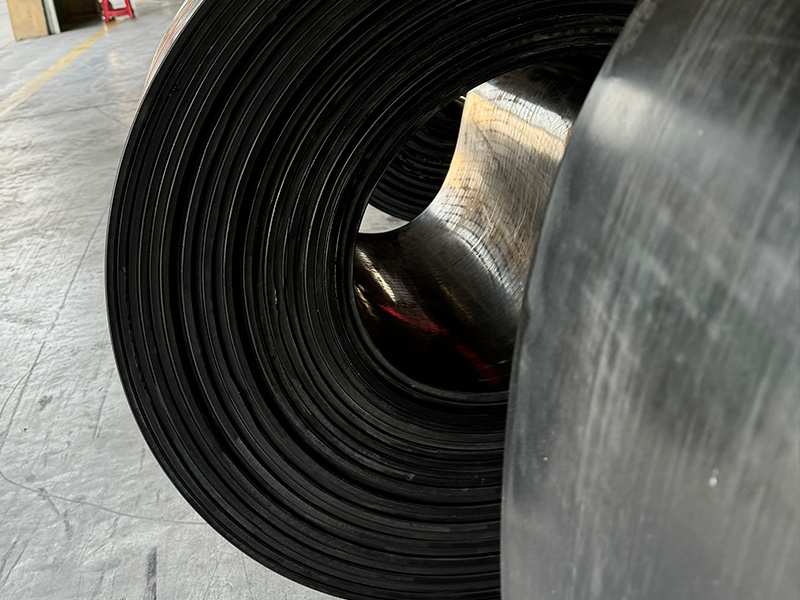
If PVC conveyor belt is to be hemmed, it usually needs 2 cloth and 2 glue or more to be suitable for hemming. First, separate the cloth surface from the glue surface, and then wrap the edge with the glue surface on the surface, so that the hemming is completed. And the use of hot melt process, the edge of the bag and the conveyor belt as a whole.