Exploring the Benefits of Electromagnetic Iron Removers in Heavy Machinery
2026-07-25


Exploring the Benefits of Electromagnetic Iron Removers in Heavy Machinery
Table of Contents
1. Introduction
2. What Are Electromagnetic Iron Removers?
3. How Do Electromagnetic Iron Removers Work?
4. Benefits of Using Electromagnetic Iron Removers
4.1 Enhanced Safety
4.2 Improved Equipment Longevity
4.3 Increased Efficiency and Productivity
4.4 Cost-Effective
Exploring the Benefits of Electromagnetic Iron Removers in Heavy Machinery
Table of Contents
- 1. Introduction
- 2. What Are Electromagnetic Iron Removers?
- 3. How Do Electromagnetic Iron Removers Work?
- 4. Benefits of Using Electromagnetic Iron Removers
- 4.1 Enhanced Safety
- 4.2 Improved Equipment Longevity
- 4.3 Increased Efficiency and Productivity
- 4.4 Cost-Effectiveness
- 5. Applications of Electromagnetic Iron Removers in Heavy Machinery
- 6. Choosing the Right Electromagnetic Iron Remover
- 7. Installation and Maintenance Tips
- 8. The Future of Electromagnetic Iron Removers in Heavy Machinery
- 9. FAQs
- 10. Conclusion
1. Introduction
In today’s fast-paced industrial landscape, the efficiency and safety of heavy machinery are paramount. Among the many innovations that have transformed this field, **electromagnetic iron removers** stand out as vital components that enhance operational performance. These devices offer significant advantages that directly translate into improved safety, productivity, and cost savings. In this article, we will explore the diverse benefits of electromagnetic iron removers in heavy machinery applications, providing insights that can help businesses make informed decisions.
2. What Are Electromagnetic Iron Removers?
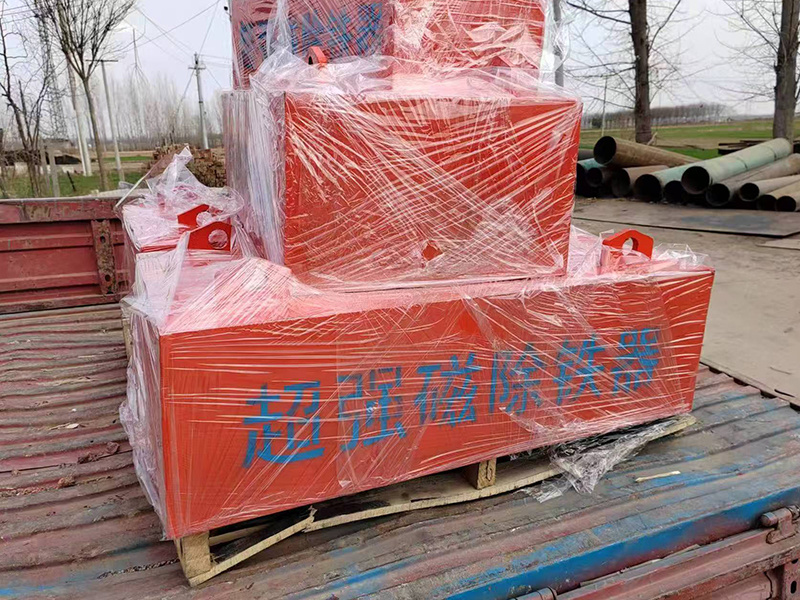
Electromagnetic iron removers are specialized devices designed to eliminate ferrous contaminants from materials being processed in various machinery, including conveyors, crushers, and separators. They use powerful magnetic fields to attract and remove iron particles, ensuring that the machinery operates smoothly without the hindrance of unwanted metallic debris. These systems are particularly valuable in industries such as construction, manufacturing, recycling, and mining.
3. How Do Electromagnetic Iron Removers Work?
The operation of electromagnetic iron removers revolves around the principles of electromagnetism. When an electric current flows through a coil of wire, it generates a magnetic field. By strategically placing these coils within the machinery, the electromagnetic iron remover creates a strong magnetic force that draws ferrous materials toward itself.
1. **Activation**: The device is activated, generating a magnetic field.
2. **Attraction**: Iron particles in the vicinity are attracted to the magnetic field.
3. **Separation**: Once the ferrous materials are captured, they can be easily removed, either manually or automatically, depending on the design of the system.
This simple yet effective mechanism ensures that heavy machinery operates without interruptions caused by metallic debris.
4. Benefits of Using Electromagnetic Iron Removers
4.1 Enhanced Safety
One of the primary benefits of integrating electromagnetic iron removers into heavy machinery is enhanced safety. Ferrous contaminants can pose significant risks, including equipment damage, operational delays, and safety hazards for workers. By effectively removing these particles, electromagnetic iron removers help maintain a safer working environment, reducing the likelihood of accidents and injuries.
4.2 Improved Equipment Longevity
Heavy machinery is a significant investment, and protecting that investment is crucial. Electromagnetic iron removers play a vital role in extending the lifespan of equipment by preventing abrasive wear and tear caused by ferrous particles. When contaminants are removed, machinery operates with greater efficiency, reducing the strain on components and minimizing the need for costly repairs or replacements.
4.3 Increased Efficiency and Productivity
Efficiency is essential in the competitive landscapes of manufacturing and construction. Electromagnetic iron removers streamline operations by ensuring that machinery runs without interruptions. When equipment is free from ferrous debris, it can operate at peak performance, leading to increased productivity. The result is a more efficient workflow, allowing businesses to meet demands and deadlines effectively.
4.4 Cost-Effectiveness
While the initial investment in electromagnetic iron removers may seem significant, the long-term cost savings are undeniable. By reducing maintenance costs, extending equipment life, and minimizing downtime, these devices provide a solid return on investment. Additionally, operational efficiency gains translate into higher output, further contributing to the financial benefits of using electromagnetic iron removers.
5. Applications of Electromagnetic Iron Removers in Heavy Machinery
Electromagnetic iron removers are versatile devices that find applications across various sectors within the heavy machinery industry. Some notable applications include:
- **Construction Sites**: Used in excavators and loaders to ensure clean materials are handled.
- **Mining Operations**: Employed in crushers and screens to prevent machinery damage.
- **Manufacturing Plants**: Integrated into conveyor belts to maintain product quality.
- **Recycling Facilities**: Utilized to separate ferrous metals from recyclable materials.
- **Agricultural Equipment**: Installed in machinery to ensure the purity of harvested products.
These applications highlight the indispensable role electromagnetic iron removers play in diverse operations.
6. Choosing the Right Electromagnetic Iron Remover
Selecting the appropriate electromagnetic iron remover is critical for optimal performance. Factors to consider include:
- **Type of Machinery**: Ensure compatibility with existing equipment.
- **Magnetic Strength**: Evaluate the strength required based on the size and type of ferrous contaminants.
- **Design and Installation**: Consider ease of installation and maintenance requirements.
- **Manufacturer Reputation**: Choose products from reputable manufacturers known for quality and reliability.
By focusing on these factors, businesses can ensure they select the best electromagnetic iron remover for their specific needs.
7. Installation and Maintenance Tips
Proper installation and maintenance of electromagnetic iron removers are essential for maximizing their effectiveness. Here are key tips:
- **Installation**: Follow the manufacturer’s guidelines carefully. Position the device where ferrous contaminants are most likely to be present.
- **Routine Inspections**: Regularly check the magnetic strength and clean the device to ensure optimal performance.
- **Maintenance Schedule**: Develop a maintenance schedule based on usage and environmental conditions to keep the device functioning effectively.
Adhering to these practices helps in maintaining the efficiency of electromagnetic iron removers.
8. The Future of Electromagnetic Iron Removers in Heavy Machinery
As technology continues to advance, the future of electromagnetic iron removers looks promising. Innovations in materials, design, and energy efficiency are expected to enhance their functionality further. Future developments may include smart technology integration, allowing for real-time monitoring and automation of cleaning processes.
Additionally, as industries gravitate towards sustainability, electromagnetic iron removers will play an essential role in reducing waste and improving material recovery rates, aligning with global efforts toward more sustainable practices.
9. FAQs
1. What types of industries benefit from electromagnetic iron removers?
Electromagnetic iron removers are utilized across various industries, including construction, mining, manufacturing, recycling, and agriculture, to enhance safety and efficiency.
2. How often should electromagnetic iron removers be maintained?
Routine inspections and maintenance should be conducted regularly, with specific schedules based on usage and environmental factors to ensure optimal performance.
3. Can electromagnetic iron removers be retrofitted to existing machinery?
Yes, many electromagnetic iron removers are designed to be compatible with a wide range of existing machinery, making retrofitting a viable option.
4. What are the signs that an electromagnetic iron remover needs maintenance?
Signs include reduced magnetic strength, increased machinery downtime, and a noticeable accumulation of ferrous contaminants despite operation.
5. Are there energy-efficient options available for electromagnetic iron removers?
Yes, many manufacturers are developing energy-efficient models that reduce power consumption while maintaining strong magnetic performance.
10. Conclusion
Electromagnetic iron removers offer numerous benefits that significantly enhance the safety, efficiency, and cost-effectiveness of heavy machinery operations. By understanding their functionality and applications, businesses can leverage these advanced devices to protect their investments and improve operational performance. As technology evolves, the role of electromagnetic iron removers will only become more crucial in ensuring that heavy machinery operates at its best, contributing to a safer and more productive industrial landscape.
Keywords:
Latest News
Why do PVC conveyor belts need to be wrapped?
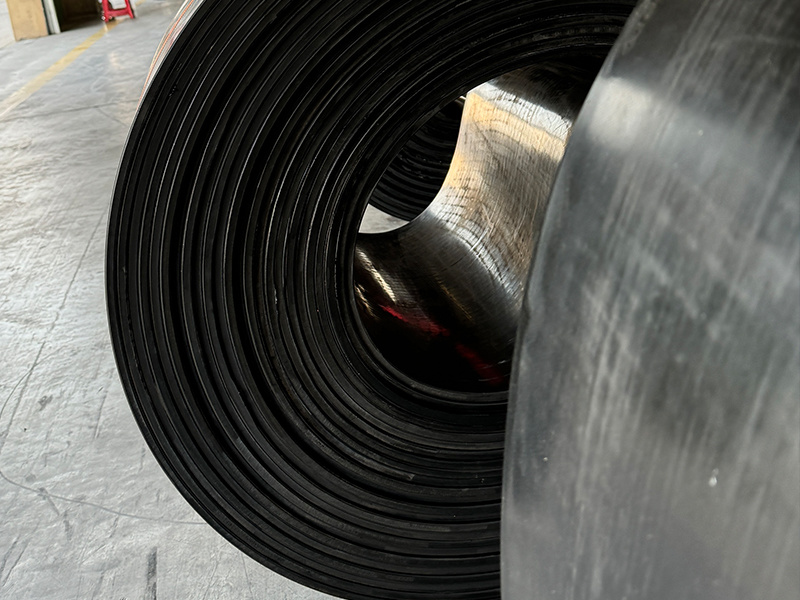
If PVC conveyor belt is to be hemmed, it usually needs 2 cloth and 2 glue or more to be suitable for hemming. First, separate the cloth surface from the glue surface, and then wrap the edge with the glue surface on the surface, so that the hemming is completed. And the use of hot melt process, the edge of the bag and the conveyor belt as a whole.