Enhancing Performance in Heavy Machinery: The Role of Friction Compensating Bearings
2026-07-28


In the realm of manufacturing and construction machinery, particularly in earthmoving equipment, the importance of effective lubrication and reduced friction cannot be overstated. Friction compensating bearings (FCBs) have emerged as a critical innovation that addresses these challenges, enhancing the overall performance and longevity of heavy machinery.
Friction compensating bearings are designed
In the realm of manufacturing and construction machinery, particularly in earthmoving equipment, the importance of effective lubrication and reduced friction cannot be overstated. Friction compensating bearings (FCBs) have emerged as a critical innovation that addresses these challenges, enhancing the overall performance and longevity of heavy machinery.
Friction compensating bearings are designed to minimize the effects of friction in rotating and moving parts of machinery. Traditional bearings often suffer from wear and tear due to sustained friction, which can lead to inefficiencies, increased energy consumption, and costly downtimes. The innovative design of FCBs allows them to adjust dynamically to changes in load and speed, effectively compensating for frictional forces. This adaptability enables smoother operation, which is particularly vital in the demanding environments of construction and earthmoving.
One of the primary advantages of friction compensating bearings is their ability to reduce maintenance needs. In heavy machinery applications, maintenance downtime can be a significant operational cost. By utilizing FCBs, manufacturers can expect longer intervals between maintenance checks and repairs, allowing for increased productivity and reduced operational disruptions. This is particularly beneficial in the construction industry, where time is often of the essence.
Moreover, FCBs contribute to energy efficiency. With reduced friction, machinery can operate more smoothly and require less energy to perform the same tasks. This can translate into substantial savings over time, especially for equipment that is used continuously in rigorous conditions. Additionally, lower energy consumption aligns with growing environmental concerns and regulations, making FCBs an eco-friendly choice for manufacturers and construction companies.
The application of friction compensating bearings extends beyond simple efficiency improvements. They also play a significant role in enhancing the overall safety and reliability of heavy machinery. By minimizing friction, the risk of overheating and subsequent failures is greatly reduced, leading to safer operational conditions for workers and machinery alike.
In conclusion, friction compensating bearings represent a significant advancement in the manufacturing and processing mechanics of construction and earthmoving equipment. Their ability to minimize friction, reduce maintenance, enhance energy efficiency, and improve safety makes them an invaluable asset in modern machinery design. As the industry continues to evolve, incorporating innovative technologies like FCBs will be crucial for maintaining competitive advantage and ensuring sustainable operations. Manufacturers who prioritize these components are likely to see improved performance and reduced costs in their equipment fleets.
Keywords:
Latest News
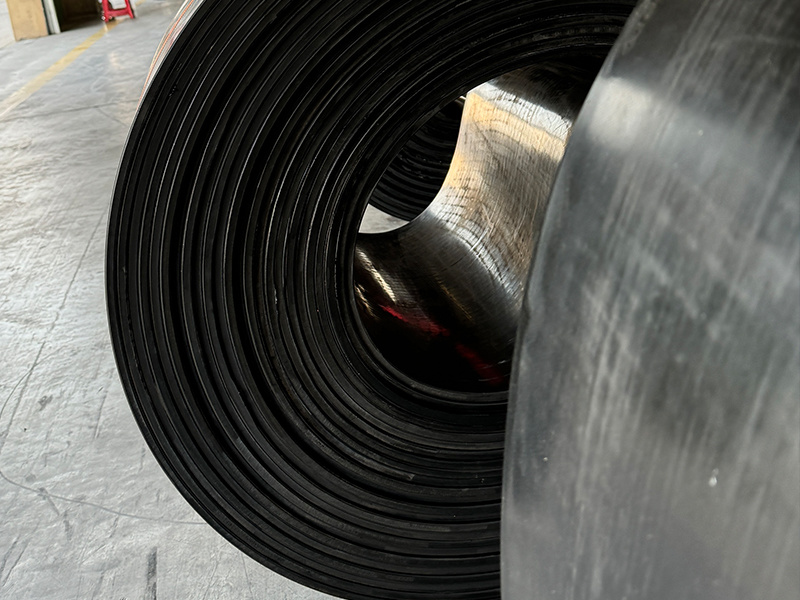
Why do PVC conveyor belts need to be wrapped?
If PVC conveyor belt is to be hemmed, it usually needs 2 cloth and 2 glue or more to be suitable for hemming. First, separate the cloth surface from the glue surface, and then wrap the edge with the glue surface on the surface, so that the hemming is completed. And the use of hot melt process, the edge of the bag and the conveyor belt as a whole.