How Rotary Valve Dischargers Enhance Material Flow in Manufacturing
2026-07-31


Understanding Rotary Valve Dischargers in Manufacturing
In the world of manufacturing, effective material flow is critical to operational efficiency. Rotary valve dischargers play a pivotal role in ensuring that materials are transferred smoothly and consistently between processes. These devices are designed to manage bulk materials, controlling their discharge from silos, hoppers, and other stora
Understanding Rotary Valve Dischargers in Manufacturing
In the world of manufacturing, effective material flow is critical to operational efficiency. Rotary valve dischargers play a pivotal role in ensuring that materials are transferred smoothly and consistently between processes. These devices are designed to manage bulk materials, controlling their discharge from silos, hoppers, and other storage systems.
In this article, we explore how rotary valve dischargers enhance material flow in manufacturing, their components, applications, and advantages.
What is a Rotary Valve Discharger?
A rotary valve discharger is a mechanical device used to control the flow of bulk materials from one container to another. Typically made of robust materials to withstand wear and tear, rotary valves are engineered to handle various materials, including powders, granules, and pellets.
The primary function of a rotary valve is to maintain a consistent flow rate while preventing backflow and ensuring a tight seal. This capability is crucial in many manufacturing processes where material integrity and operational efficiency are paramount.
The Mechanics Behind Rotary Valve Dischargers
Rotary valve dischargers consist of several key components that work together to facilitate material flow:
- Rotor: The central component that rotates to allow material to pass through.
- Housing: The outer shell that encloses the rotor, providing structural support and maintaining a seal.
- Drive Mechanism: The system that powers the rotor, which can be electric, pneumatic, or hydraulic.
- Seals: These components ensure that no material escapes during the discharge process.
When the rotor turns, it creates pockets that fill with material. As the rotor continues to turn, these pockets empty into the discharge opening, allowing for a steady flow of material.
Types of Rotary Valve Dischargers
There are several types of rotary valve dischargers, each designed for specific applications:
- Heavy-Duty Rotary Valves: Ideal for abrasive materials.
- Low-Pressure Rotary Valves: Designed for delicate materials that require gentle handling.
- High-Temperature Rotary Valves: Used in processes involving high-temperature materials.
- Specialty Rotary Valves: Customized solutions for unique materials and conditions.
Benefits of Using Rotary Valve Dischargers
Implementing rotary valve dischargers in manufacturing processes offers numerous advantages:
Enhanced Material Flow Control
**Rotary valve dischargers provide precise control over material flow rates**, allowing manufacturers to optimize their processes. This accuracy reduces waste and improves overall efficiency.
Versatility in Applications
These dischargers can handle a wide variety of materials, making them suitable for diverse industries, including food production, pharmaceuticals, and chemicals.
Minimized Material Degradation
The design of rotary valves ensures minimal agitation of materials, preventing degradation and preserving product quality. This is especially important for sensitive materials that can be easily damaged.
Reduced Risk of Contamination
The enclosed design of rotary valve dischargers minimizes exposure to external contaminants, ensuring that the materials remain pure and safe for use in sensitive applications.
Cost-Effectiveness
Investing in rotary valve dischargers can lead to significant long-term savings. By optimizing material flow and reducing waste, manufacturers can lower operational costs and improve their bottom line.
Applications of Rotary Valve Dischargers in Manufacturing
Rotary valve dischargers find applications across various sectors of manufacturing:
Food and Beverage Industry
In the food industry, rotary valves are used to handle dry ingredients, such as flour, sugar, and spices. Their ability to maintain product integrity while ensuring accurate dosing is crucial for consistent quality.
Chemical Processing
Chemicals often require strict handling processes to prevent contamination and ensure safety. Rotary valve dischargers provide the necessary control and sealing capabilities for handling powders and granules.
Pharmaceutical Manufacturing
In pharmaceutical production, maintaining product quality is paramount. Rotary valves ensure that sensitive materials are handled gently and remain free from contaminants.
Construction Materials
In construction, rotary valve dischargers are used for the safe handling of materials such as cement and aggregates. Their robust design allows them to withstand the rigors of heavy-duty applications.
Choosing the Right Rotary Valve Discharger for Your Needs
When selecting a rotary valve discharger, consider the following factors:
Material Characteristics
Understanding the material you will be handling is essential. Factors such as particle size, abrasiveness, and moisture content will influence your choice of valve.
Flow Rate Requirements
Determine the required flow rate for your manufacturing process. This will help you select a rotary valve that meets your operational needs.
Temperature and Pressure Considerations
Consider the operating temperature and pressure conditions of your application. Choose a rotary valve that can withstand these conditions without compromising performance.
Maintenance and Durability
Look for rotary valves that are designed for easy maintenance and made from durable materials. This will ensure longevity and reliability in your manufacturing processes.
Maintenance Best Practices for Rotary Valve Dischargers
Proper maintenance of rotary valve dischargers is essential for optimal performance. Follow these best practices:
Regular Inspections
Conduct routine inspections to check for wear and tear on seals and other components. Early detection of issues can prevent costly downtime.
Lubrication
Ensure that all moving parts are adequately lubricated to minimize friction and wear. Use the manufacturer’s recommended lubricants for best results.
Cleaning
Keep your rotary valve discharger clean to prevent contamination of materials. Implement a regular cleaning schedule, especially in industries where hygiene is critical.
Calibration
Regularly calibrate the rotary valve to ensure that it maintains the desired flow rate. This is particularly important in applications where precision is crucial.
Common FAQs About Rotary Valve Dischargers
1. What materials can rotary valve dischargers handle?
Rotary valve dischargers are versatile and can handle various materials, including powders, granules, and pellets. The specific design may vary based on the material characteristics.
2. How do rotary valve dischargers prevent backflow?
The design of rotary valve dischargers incorporates seals and a rotating mechanism that ensures material flows in one direction, preventing backflow.
3. Are rotary valve dischargers easy to maintain?
Yes, with regular inspections and proper lubrication, rotary valve dischargers can be maintained easily, ensuring long-term reliability.
4. Can rotary valve dischargers be customized for specific applications?
Yes, many manufacturers offer customized rotary valves tailored to meet the unique needs and specifications of different industries.
5. What factors should I consider when choosing a rotary valve discharger?
Consider material characteristics, required flow rates, operating conditions, and maintenance requirements when selecting a rotary valve discharger.
Conclusion
Rotary valve dischargers are integral to enhancing material flow in manufacturing processes. Their ability to provide precise control, versatility, and cost-effectiveness makes them a valuable asset across various industries. By understanding their mechanics, applications, and maintenance practices, manufacturers can optimize their operations and ensure the efficient handling of materials.
Investing in the right rotary valve discharger can lead to increased efficiency, reduced waste, and improved product quality, ultimately contributing to a more productive and profitable manufacturing environment.
Keywords:
Latest News
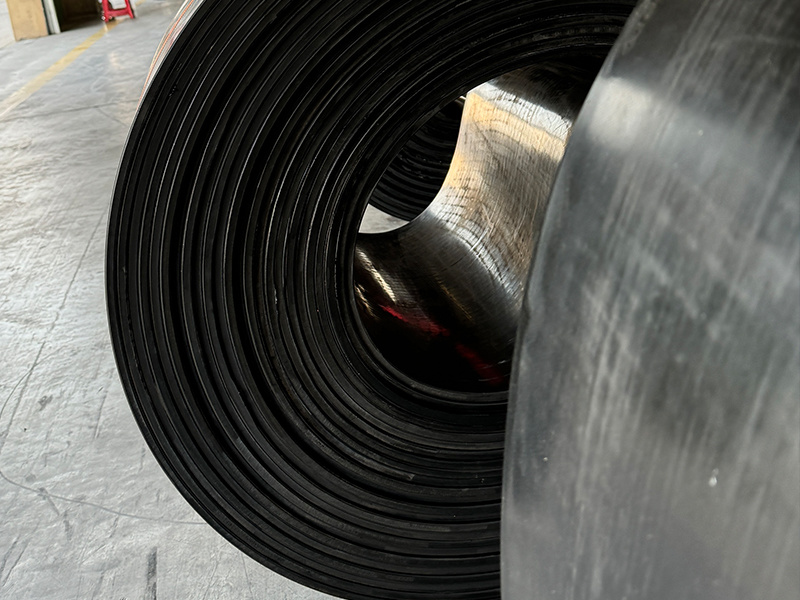
Why do PVC conveyor belts need to be wrapped?
If PVC conveyor belt is to be hemmed, it usually needs 2 cloth and 2 glue or more to be suitable for hemming. First, separate the cloth surface from the glue surface, and then wrap the edge with the glue surface on the surface, so that the hemming is completed. And the use of hot melt process, the edge of the bag and the conveyor belt as a whole.