Why Your Construction Equipment Needs an Electromagnetic Iron Remover: Enhancing Efficiency and Longevity
2026-08-30


Why Your Construction Equipment Needs an Electromagnetic Iron Remover
Introduction to Electromagnetic Iron Removers in Construction Equipment
In the competitive world of construction and engineering, maintaining the efficiency and durability of machinery is crucial. One often-overlooked component that can significantly impact equipment performance is the **electromagnetic iron remover**. These dev
Why Your Construction Equipment Needs an Electromagnetic Iron Remover
Introduction to Electromagnetic Iron Removers in Construction Equipment
In the competitive world of construction and engineering, maintaining the efficiency and durability of machinery is crucial. One often-overlooked component that can significantly impact equipment performance is the **electromagnetic iron remover**. These devices are designed to enhance the operational capabilities of construction machinery by effectively eliminating ferrous contaminants from materials being processed.
This article will delve into the importance of electromagnetic iron removers, examining their functionality and benefits, and providing insights into how they can safeguard your construction equipment and enhance productivity.
Understanding Electromagnetic Iron Removers
What Is an Electromagnetic Iron Remover?
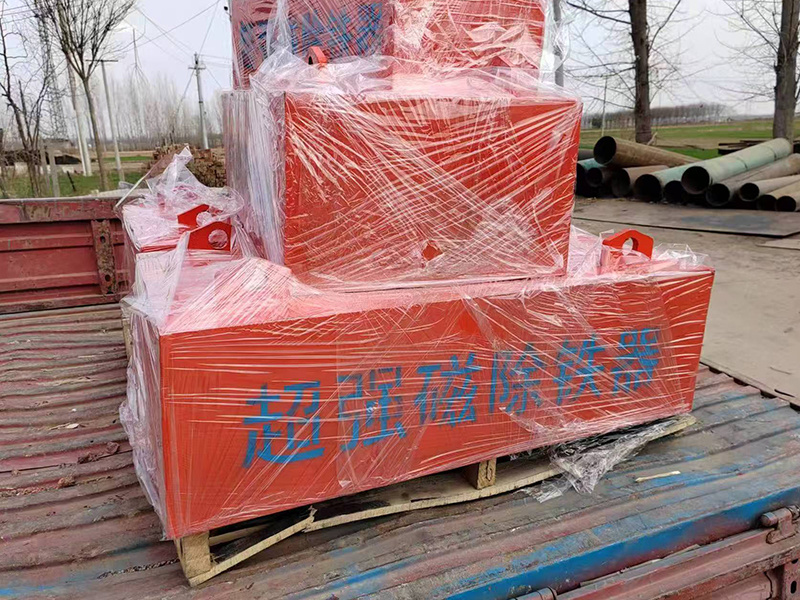
An electromagnetic iron remover is a specialized device that utilizes strong magnetic fields to attract and remove ferrous materials from non-ferrous materials. These contaminants can include nails, screws, and other iron particles that can cause significant damage to machinery and reduce operational efficiency.
These devices are typically installed in conveyor systems or processing equipment in various construction applications, ensuring that only clean, uncontaminated materials are used.
How Do Electromagnetic Iron Removers Work?
The operation of electromagnetic iron removers is straightforward yet effective. When materials pass through the magnetic field generated by the device:
1. **Magnetic Attraction**: Ferrous materials are attracted to the magnetic surface.
2. **Separation**: Contaminants are separated from the bulk material, either by dropping them into a collection bin or directing them away from the process.
3. **Continuous Operation**: Many electromagnetic iron removers are designed for continuous operation, allowing for ongoing material processing without interruption.
The Importance of Electromagnetic Iron Removers for Construction Equipment
Enhancing Equipment Longevity
One of the primary advantages of using an electromagnetic iron remover is the extended lifespan of your construction machinery. Ferrous contaminants can lead to:
- **Wear and Tear**: Metals that enter machinery can cause excessive wear on components, leading to breakdowns and costly repairs.
- **Corrosion**: Some ferrous materials can accelerate the corrosion of equipment, particularly in harsh environments.
By integrating an electromagnetic iron remover, construction companies can significantly reduce these risks, ensuring that their machinery remains in optimal condition for longer periods.
Boosting Operational Efficiency
Efficiency is paramount in construction projects. Delays caused by equipment failure can lead to significant financial losses. Here’s how electromagnetic iron removers contribute to enhanced efficiency:
1. **Reduced Downtime**: By preventing damage from ferrous contaminants, these devices minimize machine downtime and keep projects on schedule.
2. **Improved Material Quality**: Clean materials lead to better quality construction outcomes, reducing the likelihood of rework or failures.
Safety Considerations
Safety is a top priority on any construction site. Ferrous contaminants can pose direct safety hazards:
- **Injuries**: Sharp metal fragments can injure workers if they are not removed from materials.
- **Equipment Malfunction**: Contaminants can lead to unexpected equipment failures, which can result in dangerous situations.
An electromagnetic iron remover helps ensure a safer work environment by reducing these risks.
The Application of Electromagnetic Iron Removers in Various Construction Operations
Concrete Production
In concrete production, electromagnetic iron removers are critical to maintaining the purity of the materials used. Iron contaminants can weaken the concrete and lead to structural failures. By removing these contaminants, construction companies ensure the integrity of their concrete mix.
Asphalt Recycling
When recycling asphalt, it’s essential to remove any ferrous materials before processing. Electromagnetic iron removers help in achieving high-quality recycled asphalt by ensuring that it is free from contaminants. This not only enhances the quality of the asphalt but also contributes to sustainable construction practices.
Aggregate Processing
In aggregate processing, the presence of ferrous materials can lead to increased wear on crushing and screening equipment. By using electromagnetic iron removers, businesses can protect their investment and ensure consistent quality in the aggregates produced.
Choosing the Right Electromagnetic Iron Remover for Your Equipment
Factors to Consider
When selecting an electromagnetic iron remover, consider the following factors:
1. **Type of Material**: Different materials may require specific types of iron removers.
2. **Flow Rate**: Ensure the remover can handle the flow rate of your operation without compromising efficiency.
3. **Installation Space**: Assess the space available for installation to choose a suitable model.
Best Practices for Installation and Maintenance
To maximize the effectiveness of your electromagnetic iron remover:
- **Regularly Inspect and Clean**: Routine maintenance ensures that the device operates at peak performance.
- **Follow Manufacturer Guidelines**: Adhering to the installation and maintenance guidelines provided by the manufacturer can help prolong the lifespan of the device.
Case Studies: Successful Implementations
Case Study 1: Enhancing Concrete Quality
A construction company specializing in high-rise buildings implemented electromagnetic iron removers in their concrete production line. By eliminating ferrous contaminants, they reported a **30% improvement in concrete strength** and a notable reduction in rework costs.
Case Study 2: Reducing Equipment Downtime
Another company focused on road construction integrated electromagnetic iron removers into their aggregate processing plant. The result was a **50% reduction in equipment downtime**, significantly enhancing productivity and project timelines.
FAQs About Electromagnetic Iron Removers
1. What types of contaminants can electromagnetic iron removers eliminate?
Electromagnetic iron removers are designed to attract and remove ferrous contaminants such as nails, screws, and metal fragments from various materials.
2. How often should I maintain my electromagnetic iron remover?
Regular inspections should be conducted at least quarterly, with thorough cleaning performed as needed to ensure optimal performance.
3. Can electromagnetic iron removers be used in all types of construction equipment?
While most equipment can benefit from these devices, it's essential to assess compatibility based on the specific machinery and materials used.
4. Are there any safety risks associated with electromagnetic iron removers?
When correctly installed and maintained, electromagnetic iron removers pose minimal safety risks and significantly enhance safety by reducing hazardous contaminants.
5. How do I know if my construction equipment needs an electromagnetic iron remover?
If your operations involve processing materials that may contain ferrous contaminants, investing in an electromagnetic iron remover is advisable to protect your equipment and ensure quality.
Conclusion
Incorporating an **electromagnetic iron remover** into your construction operations is not just an investment in equipment protection; it’s a commitment to enhancing operational efficiency, ensuring safety, and improving the quality of materials processed. By understanding the functionality and benefits of these devices, construction professionals can make informed decisions that lead to long-term advantages in their projects. Embracing this technology can set you apart in a competitive industry, ensuring your machinery operates at its best while contributing to successful project outcomes.
Keywords:
Latest News
Why do PVC conveyor belts need to be wrapped?
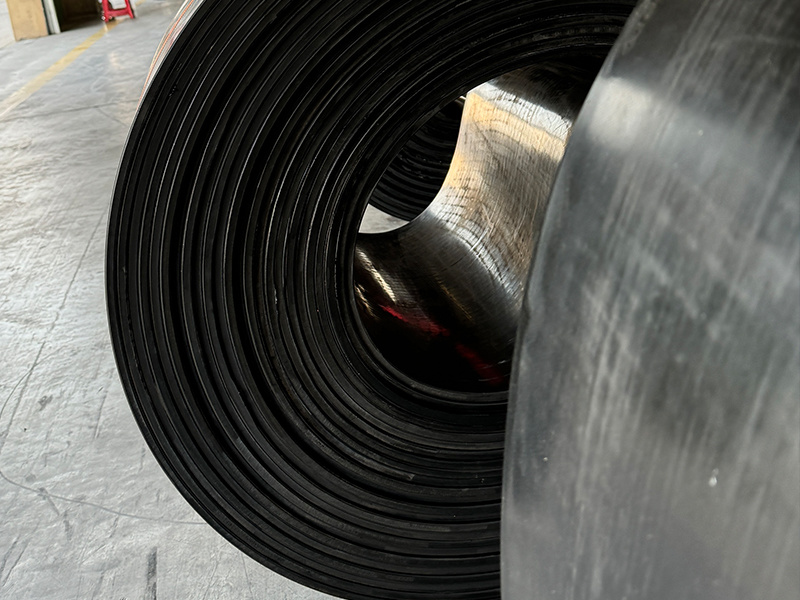
If PVC conveyor belt is to be hemmed, it usually needs 2 cloth and 2 glue or more to be suitable for hemming. First, separate the cloth surface from the glue surface, and then wrap the edge with the glue surface on the surface, so that the hemming is completed. And the use of hot melt process, the edge of the bag and the conveyor belt as a whole.