Understanding Friction Compensating Bearings: A Key Component in Earthmoving Machinery
2026-09-02


Friction compensating bearings play a pivotal role in mitigating the effects of wear and tear in machinery, making them indispensable in the manufacturing and construction sectors, particularly for earthmoving equipment. These bearings are designed to adjust to varying loads and alignments, which is essential in environments where earthmoving machines operate. The principle behind friction compens
Friction compensating bearings play a pivotal role in mitigating the effects of wear and tear in machinery, making them indispensable in the manufacturing and construction sectors, particularly for earthmoving equipment. These bearings are designed to adjust to varying loads and alignments, which is essential in environments where earthmoving machines operate. The principle behind friction compensating bearings lies in their ability to reduce friction and accommodate misalignment, thereby extending the life of both the bearing and the machinery itself.
One of the primary advantages of friction compensating bearings is their ability to maintain operational efficiency even under extreme conditions. Earthmoving machinery often operates in rugged terrains, subjecting components to high levels of stress and potential misalignment. Friction compensating bearings can self-adjust, reducing the wear on moving parts and improving overall efficiency, which ultimately leads to lower maintenance costs and increased productivity.
Moreover, these bearings can significantly contribute to the reduction of energy consumption. By minimizing friction, they allow for smoother movement and less energy required to operate the machinery. This not only enhances the performance of the equipment but also contributes to a more sustainable operation—a crucial consideration in today’s environmentally conscious world.
In addition to their mechanical benefits, friction compensating bearings can also improve operator comfort and safety. By reducing vibration and noise levels, these bearings create a more pleasant working environment, which can lead to better focus and productivity for operators who spend long hours in the cab of earthmoving machinery.
The application of friction compensating bearings in earthmoving machinery is not limited to just one type; they can be found in various equipment, including excavators, bulldozers, and loaders. Each type of machinery benefits from their unique properties, which help to ensure that these heavy-duty machines can perform optimally under various operational demands.
In conclusion, friction compensating bearings are an essential element in the design and functionality of earthmoving machinery. Their ability to reduce friction, accommodate misalignment, and enhance efficiency makes them a valuable component in the manufacturing and construction industries. For businesses involved in these sectors, investing in machines equipped with high-quality friction compensating bearings can lead to improved performance, reduced operational costs, and a safer working environment. Understanding the role of these bearings can provide significant advantages in achieving operational excellence.
Keywords:
Latest News
Why do PVC conveyor belts need to be wrapped?
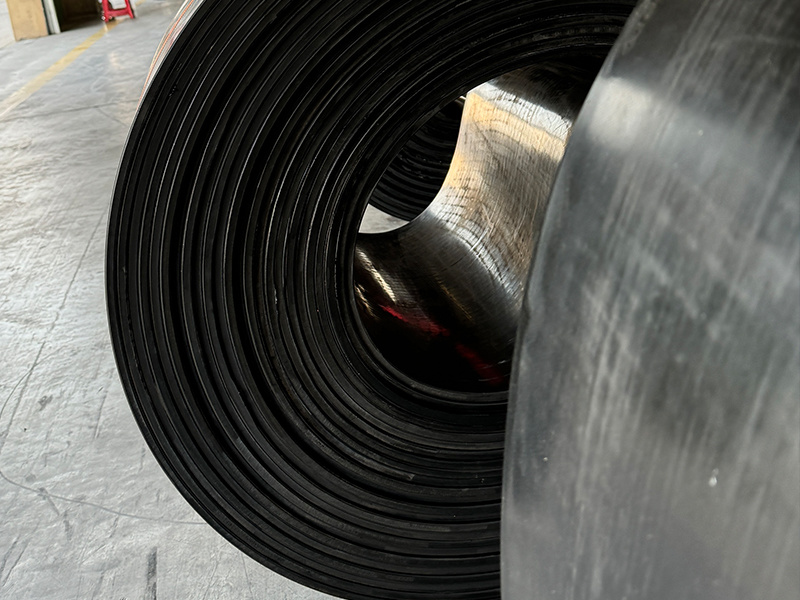
If PVC conveyor belt is to be hemmed, it usually needs 2 cloth and 2 glue or more to be suitable for hemming. First, separate the cloth surface from the glue surface, and then wrap the edge with the glue surface on the surface, so that the hemming is completed. And the use of hot melt process, the edge of the bag and the conveyor belt as a whole.