High Precision Belt Scale: Improving Accuracy and Efficiency in Continuous Material Weighing
2026-09-04


Reliable Weighing for Continuous Material Handling
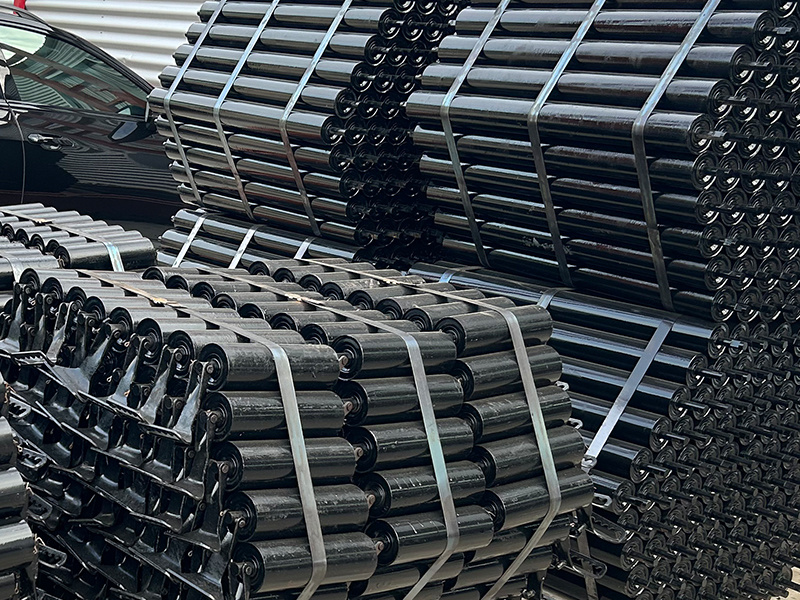
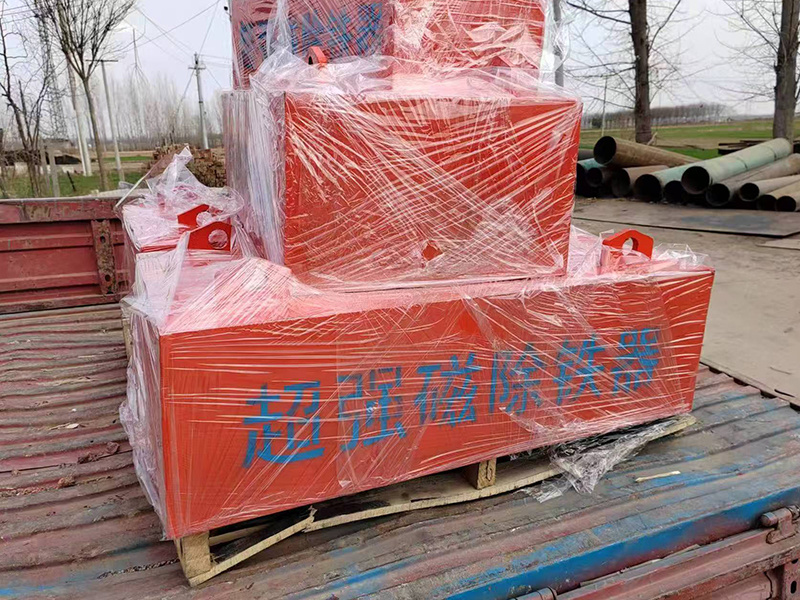
In modern bulk-material handling operations, accurate weighing is essential for production control, inventory management, process optimization, and cost calculation. A high precision belt scale provides a practical way to monitor material flow directly during conveyor transportation, helping operators obtain more reliable weighing information without interrupting continuous conveying. The product is listed by Qianxing Conveying Equipment as a weighing device and is part of a broader equipment range covering conveyors, ration feeders, dischargers, electromagnetic iron removers, conveyor belts, idlers, rollers, and other conveying components.
Why Accurate Belt Weighing Matters
Many industrial plants handle large quantities of bulk materials every day. Coal, minerals, aggregates, grain, fertilizer, raw materials, and other products may need to be transported continuously between different processing stages. If material quantity is estimated only through loading records or periodic weighing, operators may have difficulty obtaining real-time information about actual throughput.
A belt weighing solution helps connect transportation and measurement into one continuous process. As materials move along the conveyor, weighing information can support production monitoring and provide operators with a clearer understanding of material flow. This can be especially valuable for facilities where uninterrupted conveying is necessary and stopping the production line for separate weighing would reduce efficiency.
Improving Production Process Control
One of the main advantages of high-precision belt weighing is its contribution to process control. In manufacturing and bulk-material processing, the amount of material entering a production stage can directly influence product consistency, equipment loading, and overall production efficiency.
With continuous weighing information, operators can better understand whether material flow is meeting the intended production requirements. When abnormal changes occur, the data can help draw attention to possible issues in feeding, conveying, or upstream material supply. This creates a more responsive approach to production management compared with relying entirely on manual inspection.

Supporting Efficient Conveyor Operations
Conveyors are widely used because they provide continuous and efficient material transportation. However, transportation alone does not tell operators how much material is moving through the system. Combining conveying with weighing provides additional information that can improve the value of the entire material-handling process.
The high precision belt scale is designed as part of the weighing equipment category and can be considered for material-handling systems where continuous weighing is required. Its application can help businesses integrate measurement into existing conveying processes, allowing transportation and monitoring to work together rather than operating as completely separate functions.
Helping Reduce Material Accounting Problems
For many bulk-material industries, inaccurate material accounting can create hidden costs. If the actual transported quantity differs from the recorded quantity, businesses may encounter difficulties with production statistics, inventory calculations, purchasing decisions, or customer settlement.
A more reliable weighing process helps reduce uncertainty in material measurement. By obtaining weighing information during transportation, operators can improve the consistency of production records and gain better visibility into material movement. This can be particularly useful when large volumes are transported continuously over long operating periods.
Suitable for Different Industrial Applications
Continuous belt weighing can be valuable across multiple industries. Mining operations may need to monitor the movement of extracted materials. Aggregate and construction-material plants may require better control of raw-material flow. Agricultural processing facilities can use weighing information to support bulk-material handling. Manufacturing plants can also integrate weighing into automated material-feeding and transportation processes.
The product website identifies application areas including automated factories, agricultural machinery, packaging machinery, and logistics equipment, showing the broader role of the company's equipment portfolio in automated material handling and industrial operations.
Supporting Automation and Modernization
Industrial automation increasingly depends on accurate and timely process information. When material movement can be monitored continuously, operators can make production decisions based on actual process conditions rather than relying only on manual estimates.
A belt scale can therefore become an important measurement component within a larger automated conveying system. It can work alongside conveyors, feeders, dischargers, and other material-handling equipment. For companies upgrading existing production lines, integrating weighing into the conveying process can provide additional process visibility without changing the fundamental transportation method.
Application Case: Bulk Material Processing Plant
Consider a bulk-material processing plant where raw materials are transported continuously by conveyor from a storage area to a processing section. Previously, the operator relied on periodic weighing and manual records to estimate the quantity delivered to production. This approach created delays and made it difficult to identify changes in material flow quickly.
After introducing continuous belt weighing, the plant can obtain more immediate information about material movement. Operators can use this information to monitor production conditions, compare actual material flow with planned requirements, and identify potential abnormalities earlier. The result is a more transparent material-handling process and improved production management.
Solving Common Customer Pain Points
Industrial buyers often face several challenges when selecting weighing equipment. They need reliable measurement, compatibility with conveyor systems, stable operation, convenient maintenance, and a supplier capable of supporting different project requirements.
Another challenge is customization. Different plants may have different conveyor layouts, material characteristics, production capacities, and installation conditions. Qianxing Conveying Equipment states that it provides OEM and ODM services, including design, logo, and packaging customization, while also indicating that customized requirements can be supported according to project needs.
This makes customization particularly valuable for engineering companies, distributors, system integrators, and industrial users who need equipment adapted to a specific conveying project rather than a completely standardized solution.
Quality Control and Pre-Shipment Testing
For industrial weighing equipment, product consistency and inspection are important considerations because measurement equipment can influence production records and operational decisions. According to the product website, the supplier performs product testing before delivery and allows customers to request samples for testing before placing bulk orders.
For international buyers, this approach can help reduce purchasing uncertainty. Customers can evaluate product suitability before committing to a larger order, while pre-shipment testing provides an additional quality-control step before equipment leaves the factory.
Creating Long-Term Value for Buyers
The value of a high-precision weighing solution extends beyond measurement itself. Better material-flow visibility can support production planning, inventory control, process management, and operational decision-making. When weighing is integrated directly into the conveyor process, companies can reduce dependence on separate manual weighing operations and improve the efficiency of continuous material handling.
For distributors and project contractors, a reliable belt scale can also complement a wider portfolio of conveyor products. Since Qianxing's business scope includes conveyors, feeders, dischargers, electromagnetic iron removers, belt scales, idlers, rollers, supports, and conveyor belts, buyers can potentially source multiple material-handling components from one supplier.
A Practical Choice for Smarter Material Handling
As industries move toward greater automation and data-based production management, accurate material measurement is becoming increasingly important. A high precision belt scale provides a practical connection between material transportation and real-time weighing, helping businesses improve process visibility and make more informed operational decisions.
For mining, agriculture, manufacturing, logistics, construction materials, and other bulk-material applications, continuous weighing can help address common problems such as uncertain material flow, manual measurement, inconsistent production records, and inefficient process monitoring. With suitable system integration and project customization, belt weighing equipment can become an important part of a more efficient and intelligent material-handling system.
Latest News
Why do PVC conveyor belts need to be wrapped?