Choosing the Right Rotary Valve Discharger for Your Engineering Projects
2026-09-05


Choosing the Right Rotary Valve Discharger for Your Engineering Projects
In the dynamic world of **engineering and construction machinery**, selecting the right **rotary valve discharger** can make a significant difference in the efficiency and success of your projects. This article aims to provide detailed insights and guidance to help you navigate your options effectively.
Understanding Rotary
Choosing the Right Rotary Valve Discharger for Your Engineering Projects
In the dynamic world of **engineering and construction machinery**, selecting the right **rotary valve discharger** can make a significant difference in the efficiency and success of your projects. This article aims to provide detailed insights and guidance to help you navigate your options effectively.
Understanding Rotary Valve Dischargers
Before diving into selection criteria, it’s essential to understand what rotary valve dischargers are and how they function. These devices play a crucial role in material handling systems, particularly in industries involving bulk solids.
What is a Rotary Valve Discharger?
A rotary valve discharger is a device that controls the flow of bulk materials from one location to another. It typically consists of a rotating disk or paddle mechanism that regulates the discharge of materials while maintaining a seal against backflow.
Applications of Rotary Valve Dischargers in Engineering
Rotary valve dischargers are widely used in various engineering applications, including:
- **Food processing**: Managing the flow of powders and granulated materials.
- **Pharmaceutical manufacturing**: Ensuring precise dosing of ingredients.
- **Construction machinery**: Handling bulk materials like cement and aggregates.
Key Factors to Consider When Choosing a Rotary Valve Discharger
Selecting the right rotary valve discharger involves several critical factors. Here, we outline the primary considerations that can impact your choice.
1. Material Compatibility
One of the first considerations is the **material compatibility** of the valve with the bulk materials you intend to handle. Different materials have varying properties, such as abrasiveness, temperature, and humidity, which can affect the longevity and performance of the rotary valve.
For example, if you are dealing with highly abrasive materials, consider using a valve made from wear-resistant materials like hardened steel or ceramic.
2. Size and Capacity
The size and capacity of the rotary valve discharger will significantly impact its performance. It is essential to assess the flow rate requirements of your application. Calculating the required discharge rate will help in selecting a valve that can handle the workload efficiently without causing bottlenecks in your operation.
Calculating Flow Rate Requirements
To determine the appropriate size of the rotary valve, consider factors such as:
- The **density** of the material.
- The **desired discharge rate** (in cubic meters per hour).
- The **pressure drop** across the valve.
These calculations will aid in selecting a valve that meets your operational demands.
3. Design Considerations
The design of the rotary valve discharger should align with your specific operational needs. Various designs are available, including:
- **Standard rotary valves**: Ideal for general applications.
- **Dome-shaped valves**: Suitable for handling materials that tend to clump.
- **Double dump valves**: Effective for precise control in batching operations.
Choosing the right design will enhance efficiency and minimize maintenance requirements.
4. Seal Type and Maintenance
The seal type of a rotary valve discharger is crucial for ensuring the reliability and efficiency of the system. A well-sealed valve prevents backflow and minimizes air leakage, which can lead to product contamination.
When evaluating seal types, consider:
- **Material**: Different materials can withstand varying temperatures and pressures.
- **Ease of maintenance**: Select a valve with seals that are easy to replace or service.
Regular maintenance is vital for extending the life of the valve and ensuring optimal performance.
Benefits of Using Rotary Valve Dischargers
Utilizing rotary valve dischargers in your engineering projects offers numerous benefits, including:
1. Improved Efficiency
With precise control over material flow, rotary valve dischargers help streamline operations and reduce delays, thus enhancing overall efficiency.
2. Enhanced Product Quality
By offering excellent sealing capabilities, rotary valves minimize contamination risks, ensuring that the final product quality meets industry standards.
3. Versatility in Applications
Rotary valve dischargers are adaptable and can be customized for various applications, making them a valuable addition to any engineering project.
Common Challenges with Rotary Valve Dischargers
While rotary valve dischargers provide significant advantages, they also come with potential challenges that users may encounter.
1. Wear and Tear
Over time, rotary valves can experience wear due to continuous operation, especially when handling abrasive materials. Regular inspection and maintenance are essential to mitigate this issue.
2. Air Leakage
Inadequate sealing can lead to air leakage, which may affect the pressure within the system and compromise product quality. It's crucial to choose a valve design with effective sealing mechanisms.
3. Clogging Issues
Certain materials may clog the valve, leading to operational inefficiencies. Understanding the properties of the materials being handled can help in selecting the appropriate valve design to prevent clogging.
Top Brands of Rotary Valve Dischargers
Choosing a reputable brand can significantly affect the performance and reliability of your rotary valve discharger. Here are some top brands known for their quality and innovation:
1. Schenck Process
Schenck Process is renowned for its range of rotary valves that combine quality with advanced technology. Their products are designed for various applications, ensuring high performance and durability.
2. Schubert & Salzer Control Systems
This brand offers innovative solutions with a focus on precision control and reliability. Their rotary valve dischargers are designed to handle challenging materials efficiently.
3. A. F. B. B. Group
Known for robust industrial solutions, A. F. B. B. Group provides durable rotary valves suitable for heavy-duty applications.
FAQs About Rotary Valve Dischargers
1. What are the typical applications for rotary valve dischargers?
Rotary valve dischargers are commonly used in food processing, pharmaceuticals, and construction machinery for handling bulk materials.
2. How do I determine the right size for my rotary valve discharger?
Calculate the flow rate based on material density, desired discharge rate, and pressure drop to determine the appropriate size.
3. What materials are rotary valve dischargers made from?
They can be made from various materials, including stainless steel, cast iron, and specialized alloys, depending on the application.
4. How can I prevent clogging in rotary valve dischargers?
Choosing the right design and regularly inspecting the valve for wear can help prevent clogging issues.
5. Are rotary valve dischargers easy to maintain?
Yes, most rotary valve dischargers are designed with ease of maintenance in mind, featuring removable seals and accessible components.
Conclusion
Selecting the right rotary valve discharger for your engineering projects is a crucial decision that can impact efficiency, product quality, and overall success. By considering factors such as material compatibility, design, size, and maintenance, you can make an informed choice tailored to your specific needs. Investing in a high-quality rotary valve is not just a matter of function but a strategic move toward enhancing your operations in the competitive field of engineering and construction machinery. With the right insights, you can confidently navigate your options and elevate your projects to new heights.
Keywords:
Latest News
Why do PVC conveyor belts need to be wrapped?
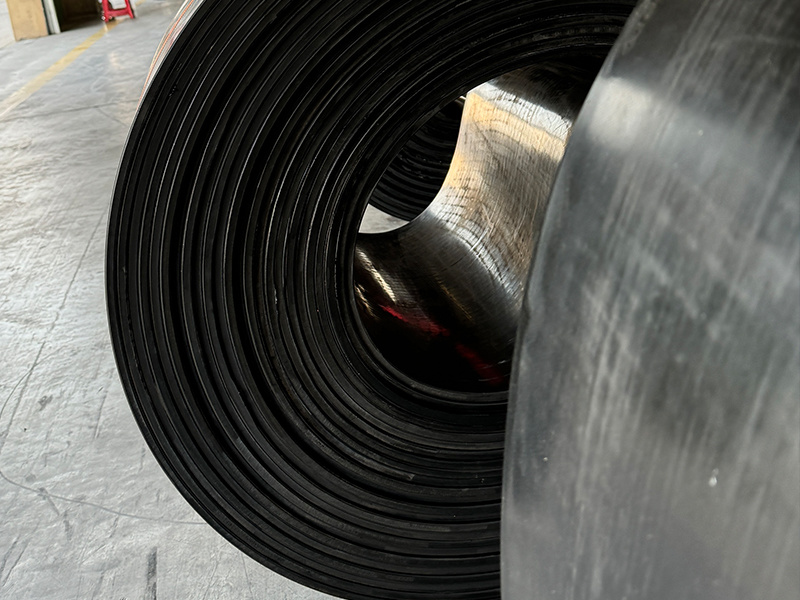
If PVC conveyor belt is to be hemmed, it usually needs 2 cloth and 2 glue or more to be suitable for hemming. First, separate the cloth surface from the glue surface, and then wrap the edge with the glue surface on the surface, so that the hemming is completed. And the use of hot melt process, the edge of the bag and the conveyor belt as a whole.