How Electronic Belt Scales Contribute to Sustainable Practices in Construction
2026-09-11


How Electronic Belt Scales Contribute to Sustainable Practices in Construction
Table of Contents
1. Introduction to Electronic Belt Scales
2. Importance of Sustainability in Construction
3. Role of Electronic Belt Scales in Sustainability
4. Benefits of Electronic Belt Scales
5. Applications of Electronic Belt Scales in Construction
6. Case Studies on Sustainable Practices
How Electronic Belt Scales Contribute to Sustainable Practices in Construction
Table of Contents
- 1. Introduction to Electronic Belt Scales
- 2. Importance of Sustainability in Construction
- 3. Role of Electronic Belt Scales in Sustainability
- 4. Benefits of Electronic Belt Scales
- 5. Applications of Electronic Belt Scales in Construction
- 6. Case Studies on Sustainable Practices
- 7. Future of Electronic Belt Scales in the Construction Industry
- 8. Frequently Asked Questions
- 9. Conclusion
1. Introduction to Electronic Belt Scales
Electronic belt scales have emerged as crucial tools in the construction industry, designed to enhance the efficiency and accuracy of material handling operations. These high-tech devices provide real-time data about the weight of materials being transported on conveyor belts, enabling construction managers to make informed decisions. By integrating electronic belt scales into their operations, companies can optimize their resource management, reduce waste, and ultimately contribute to sustainable practices.
2. Importance of Sustainability in Construction
Sustainability in construction has become a vital aspect as the industry grapples with environmental concerns and the need for efficient resource utilization. The construction sector is notorious for its significant carbon footprint, largely due to the extraction of raw materials, energy consumption, and waste generation. Thus, adopting sustainable practices is not merely beneficial but essential for future generations.
**Sustainable construction** practices aim to minimize negative impacts on the environment while promoting economic and social well-being. This includes using eco-friendly materials, implementing energy-efficient technologies, and optimizing processes to reduce waste. Projects that prioritize sustainability can lead to cost savings, enhanced reputation, and compliance with increasingly stringent regulations.
3. Role of Electronic Belt Scales in Sustainability
Electronic belt scales play a pivotal role in enhancing sustainable practices within construction. By accurately measuring the weight of materials, these systems facilitate better inventory management, minimize overloading, and reduce material wastage. Here's how they contribute to sustainability:
3.1 Accurate Measurements and Waste Reduction
Accuracy in weight measurement directly correlates to resource efficiency. Electronic belt scales help in achieving precise measurements, thereby reducing the likelihood of over-ordering materials. This not only helps in minimizing waste but also reduces transportation emissions associated with excess materials.
3.2 Energy Efficiency
By providing real-time data, electronic belt scales enable construction managers to streamline operations. Efficient resource management translates into reduced energy consumption, leading to lower operational costs and a smaller carbon footprint.
3.3 Enhanced Reporting
With integrated data collection capabilities, electronic belt scales facilitate robust reporting. This enables construction companies to track their usage of materials and energy, providing transparency and accountability which are essential components of sustainable practices.
4. Benefits of Electronic Belt Scales
Adopting electronic belt scales in construction operations delivers a multitude of benefits, enhancing both operational efficiency and sustainability.
4.1 Improved Operational Efficiency
Electronic belt scales streamline the weighing process, reducing time delays and increasing throughput. This leads to smoother operations, allowing for quicker project completion without compromising quality.
4.2 Cost Savings
By minimizing material waste and optimizing resource allocation, electronic belt scales contribute to significant cost savings. Companies can reduce expenses related to material procurement, transportation, and disposal.
4.3 Enhanced Safety
Overloaded vehicles pose safety risks on construction sites. Electronic belt scales help prevent overloads, ensuring compliance with weight limits and enhancing the overall safety of the work environment.
5. Applications of Electronic Belt Scales in Construction
Electronic belt scales are versatile tools that find application in various construction scenarios. Below are some of the key areas where they make a significant impact:
5.1 Aggregate Handling
In construction, aggregates are essential materials. Electronic belt scales facilitate accurate measurement of aggregates, ensuring the right amounts are used, thus optimizing material utilization.
5.2 Concrete Production
In concrete production, precise ingredient measurements are critical. Electronic belt scales ensure that the right proportions of cement, sand, and gravel are mixed, enhancing the quality of the final product and minimizing waste.
5.3 Waste Management
Effective waste management is vital for sustainable construction. Electronic belt scales help track the weight of waste materials, enabling better planning for recycling and disposal and reducing the environmental impact.
6. Case Studies on Sustainable Practices
Examining real-life case studies provides insight into the effectiveness of electronic belt scales in promoting sustainability in construction. Here are some notable examples:
6.1 Project A: Green Building Initiative
In a recent green building project, the integration of electronic belt scales allowed the project managers to reduce material waste by 15%. By effectively monitoring material usage, they significantly cut down on over-ordering, leading to both financial savings and environmental benefits.
6.2 Project B: Highway Construction
In a highway construction project, the use of electronic belt scales enabled accurate weight measurements of aggregates. This led to a 20% reduction in transportation emissions due to optimized material logistics, aligning the project with sustainability goals.
7. Future of Electronic Belt Scales in the Construction Industry
As the construction industry continues to evolve, the role of electronic belt scales is expected to grow. Advancements in technology will lead to even more sophisticated systems that integrate with other construction management software. This will enhance data analytics capabilities, allowing for better decision-making and further optimization of resource management.
Moreover, as sustainability becomes a higher priority for regulatory bodies, the adoption of electronic belt scales will likely become a standard practice across the industry. Companies that invest in these technologies position themselves as leaders in sustainable construction.
8. Frequently Asked Questions
8.1 What is an electronic belt scale?
An electronic belt scale is a device used to measure the weight of materials as they are transported on conveyor belts, facilitating accurate material handling in various industries, including construction.
8.2 How do electronic belt scales contribute to sustainability?
They contribute by providing precise weight measurements, reducing waste, optimizing resource management, and decreasing energy consumption.
8.3 Can electronic belt scales improve operational efficiency?
Yes, they enhance operational efficiency by streamlining the weighing process, reducing time delays, and ensuring accurate material usage.
8.4 Are electronic belt scales suitable for all types of materials?
While electronic belt scales are versatile, their suitability may depend on factors such as material characteristics and conveyor design. It’s essential to choose the right system for specific applications.
8.5 What are the cost implications of implementing electronic belt scales?
Although there is an initial investment, the long-term savings from reduced waste, optimized resource management, and increased operational efficiency often outweigh the costs.
9. Conclusion
In conclusion, electronic belt scales are not merely weighing instruments but are powerful allies in the quest for sustainability in the construction industry. By enabling precise material measurement, they help reduce waste, optimize resource utilization, and enhance operational efficiency. As the construction sector increasingly embraces sustainability, the adoption of electronic belt scales will undoubtedly play a pivotal role in shaping a more environmentally friendly future. Embracing this technology is not just a step toward operational excellence but also a commitment to building a sustainable world.
Keywords:
Latest News
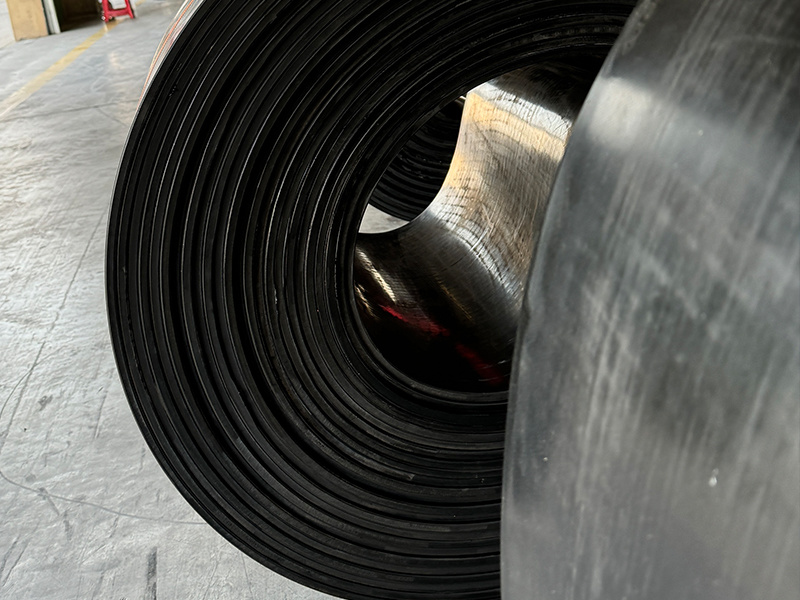
Why do PVC conveyor belts need to be wrapped?
If PVC conveyor belt is to be hemmed, it usually needs 2 cloth and 2 glue or more to be suitable for hemming. First, separate the cloth surface from the glue surface, and then wrap the edge with the glue surface on the surface, so that the hemming is completed. And the use of hot melt process, the edge of the bag and the conveyor belt as a whole.