Understanding Steeply Inclined Conveyor Belts: Essential Insights for Engineering Professionals
2026-09-14


Steeply inclined conveyor belts are specialized systems designed to transport materials at significant angles, often exceeding 30 degrees. These conveyors are particularly useful in scenarios where space is limited, and traditional horizontal conveyors would be ineffective. In the manufacturing and construction machinery sector, the ability to efficiently move materials like soil, gravel, and othe
Steeply inclined conveyor belts are specialized systems designed to transport materials at significant angles, often exceeding 30 degrees. These conveyors are particularly useful in scenarios where space is limited, and traditional horizontal conveyors would be ineffective. In the manufacturing and construction machinery sector, the ability to efficiently move materials like soil, gravel, and other bulk items is crucial for optimizing workflows and ensuring project timelines are met.
One of the predominant advantages of steeply inclined conveyor belts is their ability to save space. By utilizing vertical or near-vertical angles, they minimize the footprint required for material handling systems. This is especially beneficial in environments such as construction sites, where space is often at a premium. Moreover, these conveyors can be designed with flexible configurations, allowing them to accommodate various layouts and site requirements.
When selecting a steeply inclined conveyor belt, it is essential to consider the material's properties being transported. Factors such as weight, size, and potential for spillage play a vital role in determining the appropriate belt design and incline angle. For example, for bulk materials that are prone to sliding, a higher friction coefficient may be necessary to ensure that the materials remain on the conveyor during transport.
Another critical aspect is the belt's construction material. Steeply inclined conveyor belts can be made from various materials, including rubber, PVC, and other synthetic compounds. Each material presents unique advantages in terms of durability, weight capacity, and resistance to environmental factors. Engineering professionals must carefully assess these properties to select the most suitable belt for their specific applications.
Additionally, steeply inclined conveyor belts often incorporate specialized features such as cleats or sidewalls. These components help secure the material on the belt during transit, preventing spillage and ensuring a smooth flow of materials. The design and placement of these features can significantly impact the conveyor's efficiency and operational safety.
Moreover, regular maintenance is vital for the longevity and performance of steeply inclined conveyor systems. Professionals should establish a routine inspection schedule to check for wear and tear, misalignment, and any other potential issues that could disrupt the material transport process.
In conclusion, steeply inclined conveyor belts represent an invaluable solution for moving materials efficiently in various manufacturing and construction scenarios. By understanding their design, material properties, and maintenance requirements, engineering professionals can enhance their operations, ensuring that they meet both productivity and safety standards.
Keywords:
Latest News
Why do PVC conveyor belts need to be wrapped?
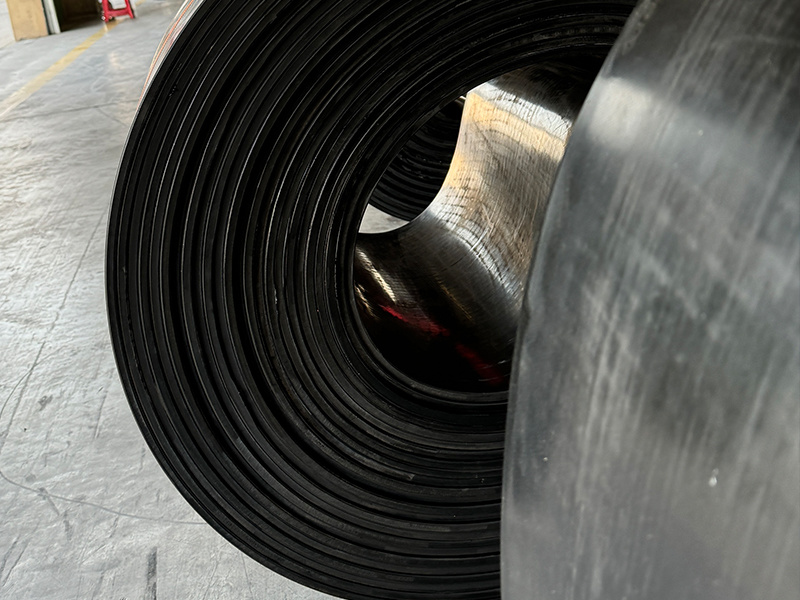
If PVC conveyor belt is to be hemmed, it usually needs 2 cloth and 2 glue or more to be suitable for hemming. First, separate the cloth surface from the glue surface, and then wrap the edge with the glue surface on the surface, so that the hemming is completed. And the use of hot melt process, the edge of the bag and the conveyor belt as a whole.