
Boosting Efficiency in Earthmoving Equipment with Permanent Magnetic Separators
2026-09-17


Boosting Efficiency in Earthmoving Equipment with Permanent Magnetic Separators
Table of Contents
Introduction to Earthmoving Equipment Efficiency
Understanding Permanent Magnetic Separators
Benefits of Using Permanent Magnetic Separators
How Permanent Magnetic Separators Work
Applications of Permanent Magnetic Separators in Earthmoving Machinery
Implementing Magnetic Sepa
Boosting Efficiency in Earthmoving Equipment with Permanent Magnetic Separators
Table of Contents
- Introduction to Earthmoving Equipment Efficiency
- Understanding Permanent Magnetic Separators
- Benefits of Using Permanent Magnetic Separators
- How Permanent Magnetic Separators Work
- Applications of Permanent Magnetic Separators in Earthmoving Machinery
- Implementing Magnetic Separation in Your Operation
- Maintaining Magnetic Separators for Peak Performance
- Case Studies and Success Stories
- Frequently Asked Questions
- Conclusion
Introduction to Earthmoving Equipment Efficiency
In the construction and heavy machinery industry, efficiency is paramount. As earthmoving equipment is integral to various projects, optimizing their performance can lead to significant cost savings and productivity improvements. One innovative approach to enhancing the efficiency of these machines is through the use of **permanent magnetic separators**. These devices not only increase operational efficiency but also contribute to the longevity of equipment.
Understanding Permanent Magnetic Separators
Permanent magnetic separators are devices designed to separate magnetic materials from non-magnetic materials without the need for electricity. They utilize the inherent magnetic properties of certain materials to attract and hold ferrous particles. By integrating these separators into earthmoving equipment, operators can achieve cleaner outputs and reduce wear and tear on machinery.
Types of Permanent Magnetic Separators
There are various types of permanent magnetic separators, including:
1. **Magnetic Grates**: Installed in hoppers or chutes to capture ferrous contaminants.
2. **Magnetic Pulleys**: Used in conveyor systems to remove metal contaminants.
3. **Overband Magnets**: Suspended above conveyor belts to capture metal scrap.
4. **Drum Separators**: Employed in large-scale operations for bulk material processing.
Understanding the right type of magnetic separator for your specific needs is crucial for achieving optimal results.
Benefits of Using Permanent Magnetic Separators
Integrating permanent magnetic separators into earthmoving equipment offers a multitude of benefits:
1. Enhanced Equipment Longevity
By removing ferrous contaminants, magnetic separators help prevent damage to critical components of earthmoving machinery. This leads to reduced maintenance costs and longer equipment lifespan.
2. Improved Operational Efficiency
Cleaner raw materials ensure that machinery operates at peak efficiency. This means fewer breakdowns and interruptions, allowing for smoother operations and better project timelines.
3. Cost Savings
Reducing wear and tear on machinery translates to lower repair costs and less downtime. Additionally, improved material quality can lead to cost savings in waste disposal and reprocessing.
4. Environmental Benefits
By improving material recovery and minimizing waste, magnetic separators contribute to more sustainable operations. This aligns with growing industry demands for environmentally responsible practices.
How Permanent Magnetic Separators Work
Permanent magnetic separators operate based on fundamental principles of magnetism. These devices create a magnetic field that attracts ferrous materials. Here’s an overview of their working mechanism:
1. Magnetic Field Generation
Permanent magnets generate a static magnetic field that extends outward. The strength and reach of this field depend on the design and type of the separator.
2. Material Interaction
As materials pass through the magnetic field, ferrous particles are attracted and held by the magnetic force. Non-magnetic materials continue through the system unhindered.
3. Separation Process
The captured ferrous materials can then be removed from the magnetic surface, either manually or automatically, depending on the separator design.
Applications of Permanent Magnetic Separators in Earthmoving Machinery
The use of permanent magnetic separators spans several applications in the earthmoving equipment sector:
1. In Soil and Aggregate Processing
Separators are essential for ensuring that soil and aggregates are free from metal contaminants. This is critical for achieving high-quality outputs in construction materials.
2. In Recycling Operations
In recycling processes involving metal recovery, permanent magnetic separators effectively isolate ferrous materials from other waste, enhancing recovery rates.
3. In Demolition Projects
During demolition, magnetic separators can help eliminate metal debris from rubble, ensuring safer and cleaner working conditions.
Implementing Magnetic Separation in Your Operation
Implementing permanent magnetic separators into your earthmoving operations requires careful planning:
1. Assessing Your Needs
Evaluate the specific materials you are working with and the types of contaminants that may be present. This will guide you in selecting the most suitable magnetic separator.
2. Choosing the Right Separator
Consider factors such as the size of your operation, the volume of materials processed, and the types of contaminants. Consulting with manufacturers can help find the best fit.
3. Training Your Staff
Ensure that your operational team is trained in the effective use and maintenance of magnetic separators. This will maximize their benefits and ensure safe operation.
Maintaining Magnetic Separators for Peak Performance
Regular maintenance is key to ensuring that permanent magnetic separators function effectively:
1. Routine Inspections
Conduct regular inspections to check for any wear and tear or accumulation of debris on the magnets.
2. Cleaning Protocols
Implement a cleaning schedule to remove ferrous materials that may build up on the separator. This will maintain its magnetic strength and effectiveness.
3. Monitoring Performance
Keep track of the separator's performance metrics, including the amount of ferrous material captured and any changes in machinery efficiency. This data can inform maintenance schedules and operational adjustments.
Case Studies and Success Stories
Several companies in the construction and earthmoving sector have successfully integrated permanent magnetic separators into their operations, resulting in significant improvements.
1. Case Study: XYZ Construction
XYZ Construction reported a **30% reduction** in equipment maintenance costs after installing magnetic separators in their aggregate processing plants. The separators effectively eliminated ferrous contaminants, reducing wear on crushing equipment.
2. Success Story: ABC Demolition Services
ABC Demolition Services enhanced their recycling efforts by implementing overband magnets in their operations. The result was a **40% increase** in metal recovery rates, contributing to a more sustainable approach and increased profitability.
Frequently Asked Questions
1. What are the main advantages of using permanent magnetic separators?
Permanent magnetic separators enhance equipment longevity, improve operational efficiency, lead to cost savings, and offer environmental benefits.
2. How do I know which magnetic separator is right for my operation?
Assess your specific material types and contamination levels, and consult with manufacturers to identify the best separator for your needs.
3. How often should I clean and maintain my magnetic separator?
Routine inspections and cleaning schedules should be established based on operational demands. Regular maintenance is essential for peak performance.
4. Can magnetic separators be used in other applications?
Yes, magnetic separators are versatile and can be used in various applications, including recycling, soil processing, and demolition projects.
5. Are there any energy costs associated with permanent magnetic separators?
No, permanent magnetic separators do not require electricity to operate, making them a cost-effective solution for many operations.
Conclusion
Integrating **permanent magnetic separators** into earthmoving equipment offers a transformative approach to enhancing efficiency and productivity in the construction and engineering sectors. With benefits such as reduced maintenance costs, improved operational performance, and significant environmental advantages, these separators are emerging as essential components in modern machinery. By understanding their functionality and applications, companies can leverage this technology to gain a competitive edge and drive sustainable practices in their operations. Embracing this innovation today can pave the way for a more efficient and eco-friendly future in the earthmoving equipment industry.
Keywords:
Latest News
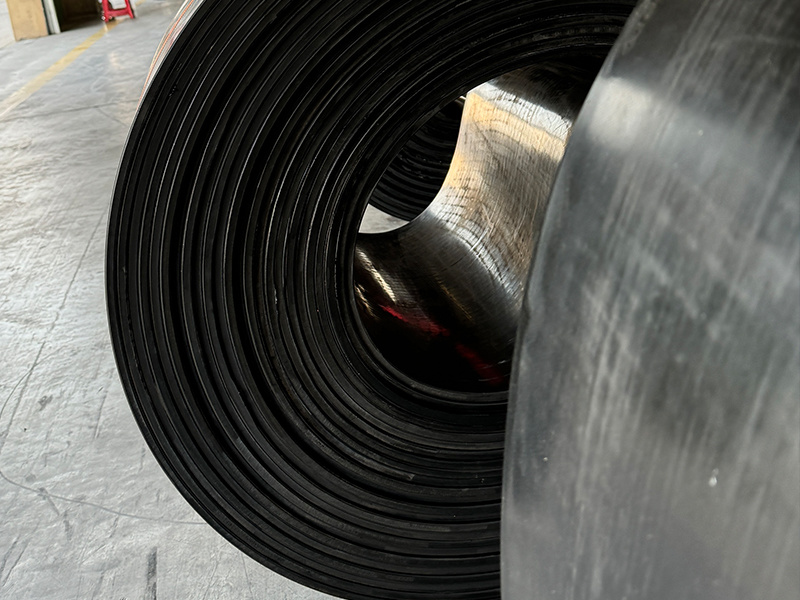
Why do PVC conveyor belts need to be wrapped?
If PVC conveyor belt is to be hemmed, it usually needs 2 cloth and 2 glue or more to be suitable for hemming. First, separate the cloth surface from the glue surface, and then wrap the edge with the glue surface on the surface, so that the hemming is completed. And the use of hot melt process, the edge of the bag and the conveyor belt as a whole.