Understanding the Benefits and Applications of Nylon Conveyor Belts in Heavy Machinery
2026-09-20


Nylon conveyor belts are essential components in the manufacturing and construction machinery sectors, especially in the earthmoving equipment domain. These belts are engineered to provide superior performance, versatility, and durability, making them suitable for a wide range of applications. Understanding their properties and advantages can significantly enhance operational efficiency in your pr
Nylon conveyor belts are essential components in the manufacturing and construction machinery sectors, especially in the earthmoving equipment domain. These belts are engineered to provide superior performance, versatility, and durability, making them suitable for a wide range of applications. Understanding their properties and advantages can significantly enhance operational efficiency in your projects.
One of the most appealing features of nylon conveyor belts is their high tensile strength. Made from synthetic fibers, these belts can withstand heavy loads and resist stretching even under extreme conditions. This characteristic is particularly important in applications involving heavy machinery, where consistent performance is critical. The ability of nylon conveyor belts to maintain their shape and integrity under stress contributes to prolonged service life, reducing the frequency of replacements and associated downtime.
In addition to strength, nylon conveyor belts offer excellent flexibility. This allows them to navigate through various configurations and setups, making them suitable for intricate machinery layouts. The flexibility also aids in minimizing the risk of belt misalignment or operational failures, which is often a concern in dynamic environments such as construction sites.
Furthermore, nylon conveyor belts are resistant to abrasion and wear, which is vital in environments where materials are constantly being transported. This durability not only extends the life of the belts but also enhances the overall productivity of the machinery. When used in earthmoving equipment, for example, these belts can efficiently handle gravel, soil, and other materials without degrading quickly, ensuring smooth operations over extended periods.
Another important factor to consider is the lightweight nature of nylon conveyor belts. This attribute reduces the overall load on the machinery, allowing for more efficient energy consumption and improved performance. In heavy-duty applications, every bit of weight saved can contribute to higher operational efficiency, making nylon conveyor belts a preferred choice for many manufacturers.
Moreover, these belts can operate effectively in a wide range of temperatures and environmental conditions. Whether exposed to heat, cold, or varying humidity levels, nylon conveyor belts maintain their performance standards, proving to be highly versatile across different industries.
In conclusion, nylon conveyor belts offer numerous advantages that make them an ideal choice for manufacturing and construction machinery, particularly in the field of earthmoving equipment. Their strength, flexibility, durability, and lightweight nature contribute to improved operational efficiency and reduced downtime. By choosing the right nylon conveyor belt for your machinery, you can enhance productivity and ensure the longevity of your equipment.
Keywords:
Latest News
Why do PVC conveyor belts need to be wrapped?
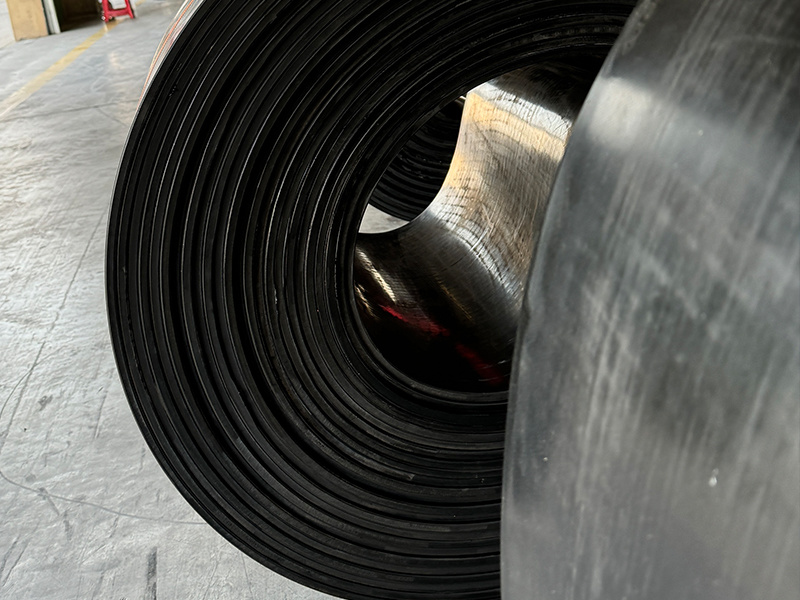
If PVC conveyor belt is to be hemmed, it usually needs 2 cloth and 2 glue or more to be suitable for hemming. First, separate the cloth surface from the glue surface, and then wrap the edge with the glue surface on the surface, so that the hemming is completed. And the use of hot melt process, the edge of the bag and the conveyor belt as a whole.