
Innovative Uses of Polyester Conveyor Belts in the Engineering Sector
2026-09-23


Innovative Uses of Polyester Conveyor Belts in the Engineering Sector
In the rapidly evolving world of engineering, the choice of materials can significantly influence operational efficiency and effectiveness. Among these materials, **polyester conveyor belts** stand out due to their unique properties such as strength, durability, and resistance to various environmental factors. This article delve
Innovative Uses of Polyester Conveyor Belts in the Engineering Sector
In the rapidly evolving world of engineering, the choice of materials can significantly influence operational efficiency and effectiveness. Among these materials, **polyester conveyor belts** stand out due to their unique properties such as strength, durability, and resistance to various environmental factors. This article delves deep into innovative uses of polyester conveyor belts within the engineering sector, examining their benefits, applications, and future potential.
Understanding Polyester Conveyor Belts
Polyester conveyor belts are made from high-strength polyester fibers, which contribute to their impressive load-bearing capacity and durability. These belts are specially designed to transport materials in a variety of industrial settings. Their versatility and resilience make them suitable for various applications, particularly in engineering, manufacturing, and construction.
Key Properties of Polyester Conveyor Belts
To grasp the significance of polyester conveyor belts, it's essential to understand their key properties:
- **Strength and Durability**: Polyester fibers are known for their high tensile strength, making these belts ideal for heavy-duty applications.
- **Resistance to Abrasion**: They are less prone to wear and tear compared to other belt materials, ensuring a longer lifespan.
- **Low Stretch**: Polyester conveyor belts exhibit minimal elongation under load, maintaining their integrity and performance over time.
- **Temperature Resistance**: They can withstand a range of temperatures, making them suitable for various engineering environments.
The Role of Polyester Conveyor Belts in Various Engineering Applications
Polyester conveyor belts have found their niche in several engineering applications, thanks to their unique properties. Below, we explore the innovative uses of these belts across different sectors.
1. Manufacturing Automation
In manufacturing facilities, efficiency is paramount. Polyester conveyor belts facilitate **automated material handling**, allowing for smooth transport of products between different stages of production. Their lightweight nature reduces the energy required to operate conveyor systems, leading to lower operational costs and increased productivity.
2. Mining and Mineral Processing
In the mining sector, polyester conveyor belts play a crucial role in transporting raw materials such as ore and coal. Their abrasion-resistant properties ensure they endure the harsh conditions present in mining environments. Additionally, their ability to handle large loads makes them ideal for processing minerals efficiently.
3. Food Processing Industry
The food processing industry requires high standards of hygiene and cleanliness. Polyester conveyor belts can be engineered to meet these stringent requirements, making them suitable for transporting food products. Their smooth surface minimizes contamination risks, while their resistance to various chemicals allows for easy cleaning.
Case Study: Food Safety Compliance with Polyester Belts
A leading food processing company recently transitioned to **polyester conveyor belts** to ensure compliance with food safety standards. The belts' durability and resistance to microbial growth allowed the company to enhance its production line's efficiency while meeting regulatory requirements.
4. Construction and Heavy Equipment
In construction, polyester conveyor belts are instrumental in the transport of materials like sand, gravel, and cement. Their capacity to handle heavy loads and resist environmental conditions makes them a preferred choice for construction sites. Additionally, they are often used in mobile conveyor systems to facilitate on-site material handling.
Benefits of Using Polyester Conveyor Belts in Engineering
The choice of polyester conveyor belts provides several benefits to engineering applications:
1. Cost-Effectiveness
When compared to other belt materials, polyester conveyor belts offer a cost-effective solution due to their durability and longevity. The reduced need for frequent replacements translates into significant savings for companies.
2. Enhanced Efficiency
The lightweight and low-friction properties of polyester conveyor belts contribute to enhanced efficiency in material handling. This results in faster processing times and improved overall productivity.
3. Environmental Sustainability
Using polyester conveyor belts can also contribute to sustainability efforts. Their long lifespan reduces waste, and many manufacturers are now producing these belts from recycled materials, further minimizing their environmental impact.
Future Trends in Polyester Conveyor Belt Technology
The innovation in polyester conveyor belts is an ongoing process, driven by advancements in technology and material science. Here are some future trends we anticipate:
1. Smart Conveyor Systems
Integrating **smart technologies** into conveyor systems will revolutionize material handling. Conveyor belts equipped with sensors can monitor load conditions and performance, allowing for real-time adjustments to improve efficiency and safety.
2. Custom Solutions for Specific Industries
As industries evolve, the demand for customized conveyor belt solutions tailored to specific applications will increase. Manufacturers will likely invest in developing polyester conveyor belts that address unique challenges in various engineering sectors.
3. Sustainability Innovations
The push for sustainability will continue to influence the development of polyester conveyor belts. Innovations may include the use of biodegradable materials or more efficient recycling processes to create eco-friendly belts.
FAQs about Polyester Conveyor Belts in the Engineering Sector
1. What are the main advantages of using polyester conveyor belts?
Polyester conveyor belts offer high strength, durability, low stretch, resistance to abrasion, and temperature resilience, making them ideal for various engineering applications.
2. In which industries are polyester conveyor belts commonly used?
They are commonly used in manufacturing, mining, food processing, and construction industries due to their versatility and durability.
3. How do polyester conveyor belts contribute to sustainability?
Polyester conveyor belts have a long lifespan, reducing waste. Many are also produced from recycled materials, further minimizing their environmental impact.
4. Can polyester conveyor belts be customized for specific applications?
Yes, manufacturers can tailor polyester conveyor belts to meet specific industry requirements, ensuring optimal performance.
5. What is the future of polyester conveyor belt technology?
Future trends include smart conveyor systems, customized solutions for specific industries, and innovations focused on sustainability.
Conclusion
Polyester conveyor belts have become invaluable assets in the engineering sector, offering innovative solutions that enhance productivity and operational efficiency. Their unique properties and versatile applications make them a staple in various industries, from manufacturing and mining to food processing and construction. As technology continues to evolve, polyester conveyor belts will likely adapt to meet the challenges of modern engineering, paving the way for more sustainable and efficient material handling solutions. Embracing these innovative uses will not only benefit individual companies but also contribute to the broader goals of efficiency and sustainability in the engineering sector.
Keywords:
Latest News
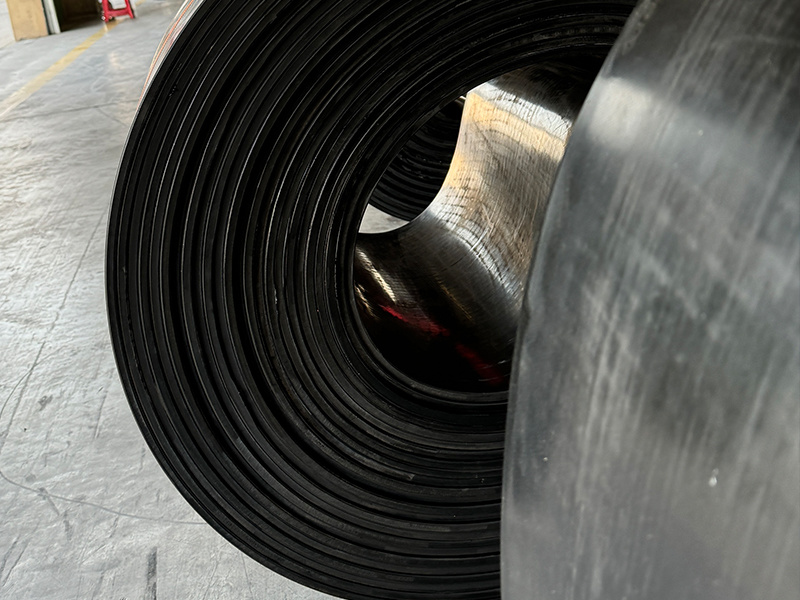
Why do PVC conveyor belts need to be wrapped?
If PVC conveyor belt is to be hemmed, it usually needs 2 cloth and 2 glue or more to be suitable for hemming. First, separate the cloth surface from the glue surface, and then wrap the edge with the glue surface on the surface, so that the hemming is completed. And the use of hot melt process, the edge of the bag and the conveyor belt as a whole.